
Extruded Graphite
Extruded Graphite is a specialized form of synthetic graphite manufactured through a continuous forming process, making it the optimal and cost-effective choice for producing long, uniform graphite rods, bars, and tubes. Unlike isostatic graphite, it exhibits anisotropic properties – meaning its mechanical and thermal characteristics are superior along the extrusion axis. This directional strength, combined with high density, excellent thermal conductivity, and good machinability, makes extruded graphite indispensable for electrodes, continuous casting, heating elements, and other high-temperature industrial applications.
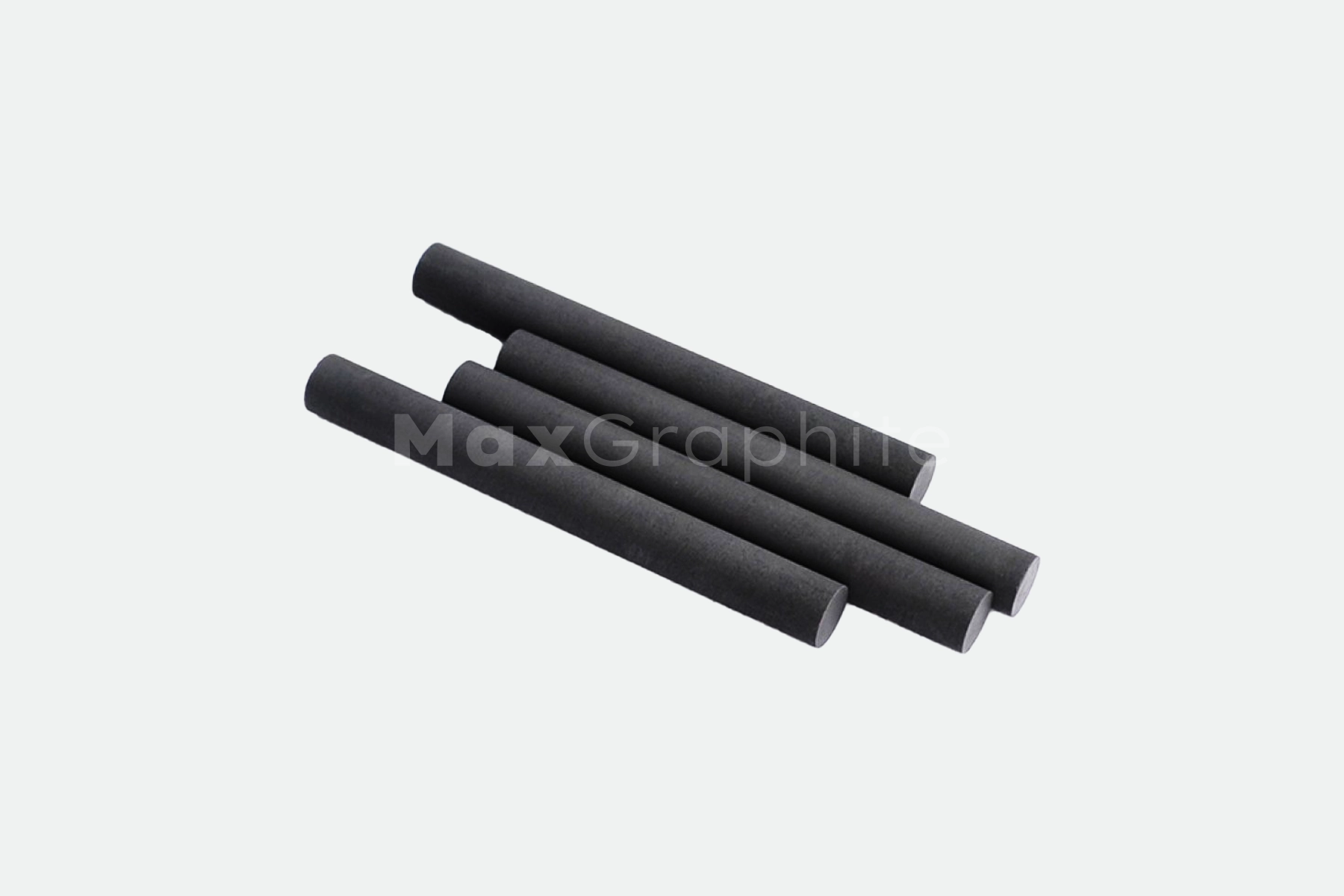
Specification of
Extruded Graphite
Extruded graphite produced by Max Graphite offers a balance of high density, strength, and thermal performance suitable for demanding environments.
Typical Grade Specifications: All values are typical; custom grades available on request.
Certifications:
Size of
Extruded Graphite
The extrusion process excels at producing long, continuous rods. We offer a wide range of standard and custom sizes for both solid and hollow (tube) sections.
Contact us for a detailed stock list or to discuss your custom size requirements.
What is Extruded Graphite?
Extruded graphite is a type of synthetic (artificial) graphite characterized by its anisotropic structure, primarily used to manufacture long, uniform profiles like rods, bars, and tubes.
It is produced by forcing a heated, plastic mixture of coke filler and pitch binder through a shaped die. This process aligns the graphite crystals along the extrusion direction, resulting in superior mechanical strength and thermal/electrical conductivity parallel to the grain. Perpendicular to the grain, these properties are typically lower. This makes extruded graphite distinct from isostatic graphite, which has uniform (isotropic) properties in all directions.
Key advantages include excellent machinability, the ability to produce very long components, and a cost-effective profile for applications that benefit from directional strength.
Properties of Extruded Graphite
- Anisotropic Structure: Offers superior mechanical strength and thermal/electrical conductivity along the extrusion axis, ideal for electrodes and heating rods.
- High Density & Strength: Through controlled production and optional impregnation, achieves high density (typically 1.70–1.80 g/cm³) with correspondingly high compressive and flexural strength.
- Excellent Thermal Shock Resistance: Low thermal expansion coefficient and high thermal conductivity allow it to withstand rapid temperature changes without cracking.
- Good Machinability: Easily milled, turned, and drilled to create complex shapes and fine details.
- High-Temperature Stability: Maintains structural integrity and strength in inert or reducing atmospheres up to 3000°C.
- Chemical Inertness: Highly resistant to most acids, alkalis, and organic solvents, suitable for corrosive environments.
Production Process of Extruded Graphite
The manufacturing of extruded graphite is a multi-step, precision-controlled process ensuring high density and structural integrity.
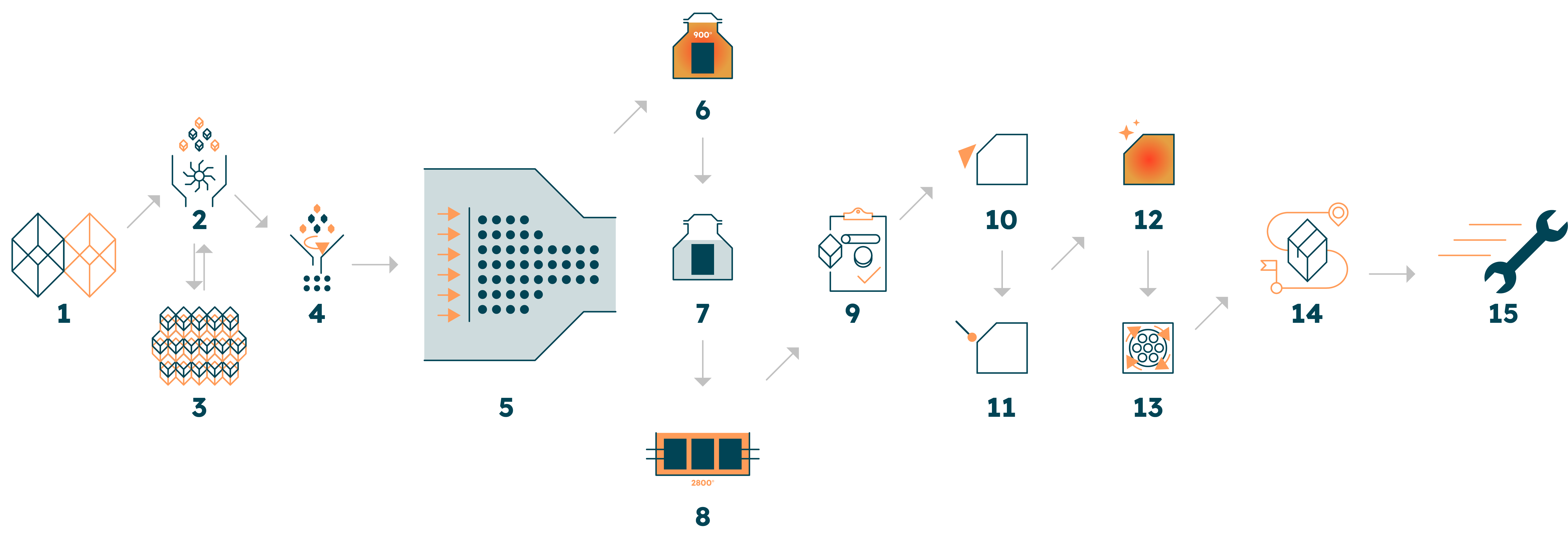
- Raw Material Preparation: High-purity calcined petroleum coke or pitch coke is ground into fine powder.
- Mixing & Kneading: The powder is mixed with a coal tar pitch binder at elevated temperature to form a homogeneous, plastic paste.
- Extrusion: The heated paste is forced through a die of the desired shape (round, square, etc.) using a hydraulic press. This aligns the graphite particles, creating the anisotropic structure.
- Baking (Carbonization): The "green" extruded shape is baked slowly to ~1000°C in an inert atmosphere, converting the binder into solid coke carbon that bonds the particles.
- Impregnation (Optional): To achieve higher density, the baked block can be re-impregnated with pitch under vacuum and re-baked. This cycle can be repeated.
- Graphitization: The final step involves heating the material to 2600–3000°C, transforming amorphous carbon into crystalline graphite. This dramatically improves thermal/electrical conductivity and chemical stability.
Applications
Graphite Electrodes: Conductive graphite rods used to melt scrap steel in electric arc furnaces.
Graphite Rotor and Shaft: High-temperature components for degassing and stirring molten aluminum in foundries.
Metallurgy & Foundry
- Continuous Casting: Molds, nozzles, and feed tubes leveraging excellent thermal shock resistance and non-wetting properties with molten metal.
- Heating Elements & Furnace Parts: Rods and tubes serve as resistant heating elements in vacuum and inert atmosphere furnaces.
Semiconductor & Photovoltaics (PV): Heating systems, crucible supports, and structural parts within crystal growth furnaces for silicon and other semiconductors.
Chemical Processing: Heat exchanger tubes and reactor components where high corrosion resistance and thermal conductivity are required.
Related Materials and Products
We supply extruded graphite in semi-fi nished forms and precision-machined fi nished components.
Isostatic Graphite

Vibrated Graphite
Molded Graphite
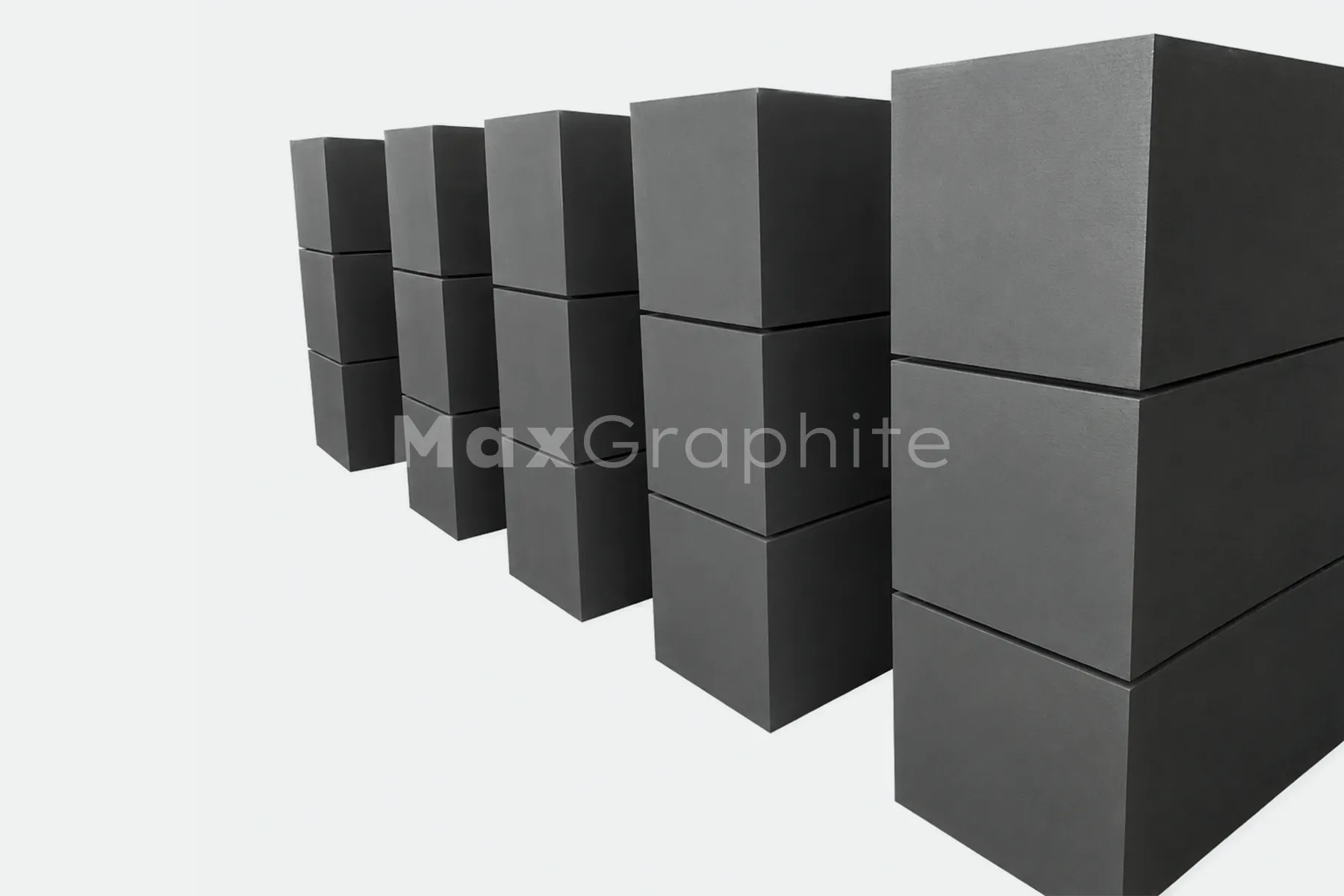
Graphite Block

Graphite Plate
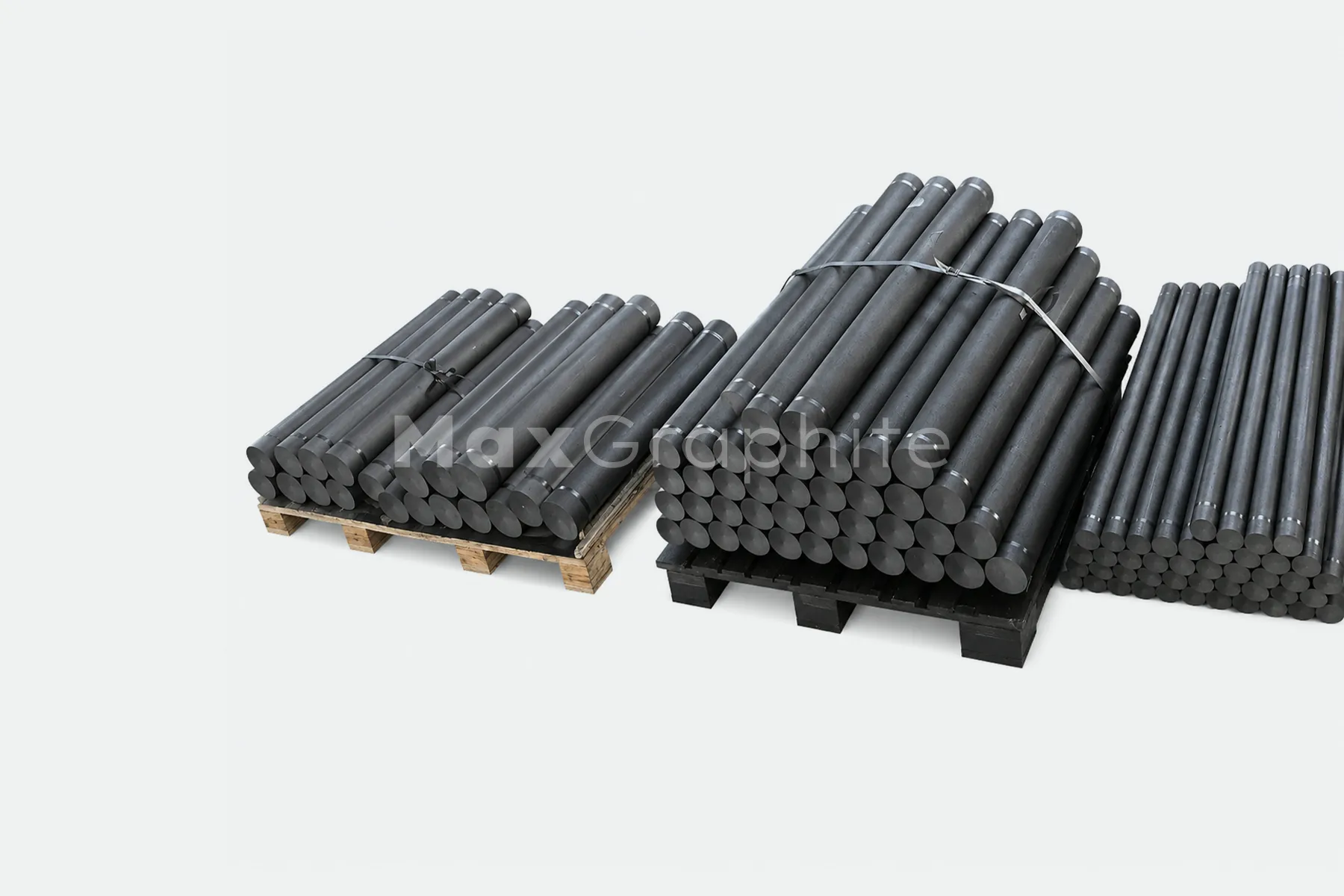
Graphite Rod
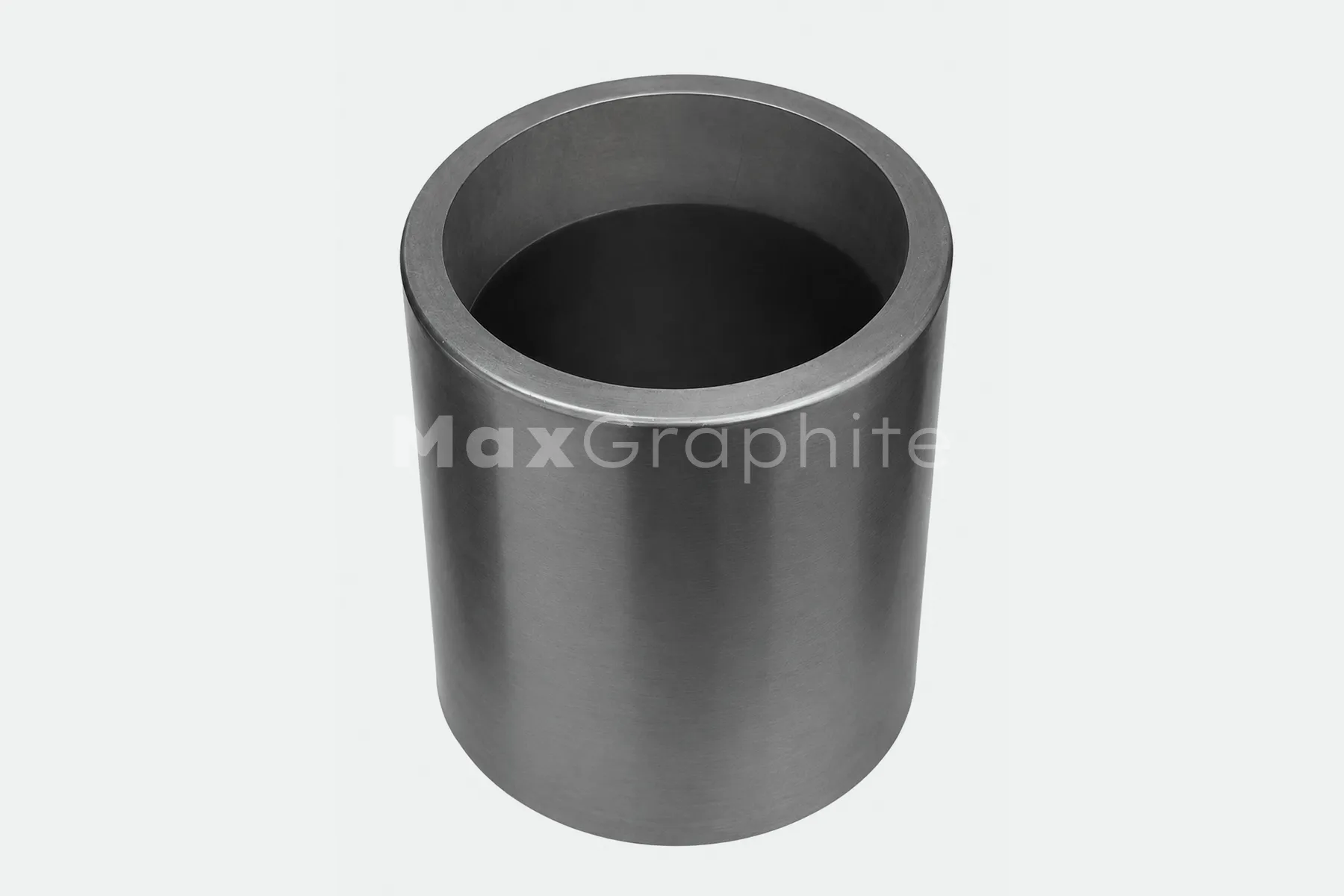
Graphite Cylinder
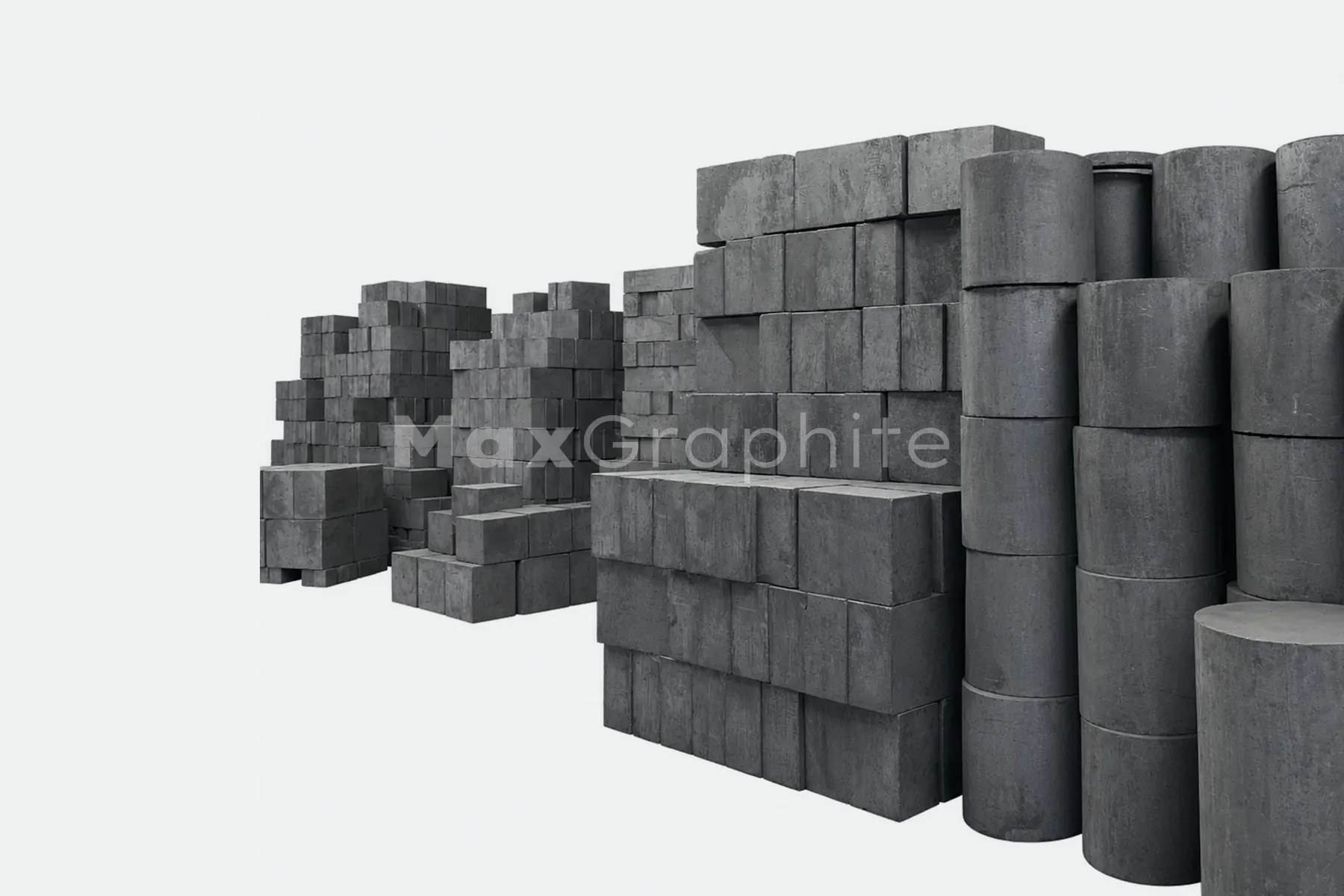
Graphite Chunk
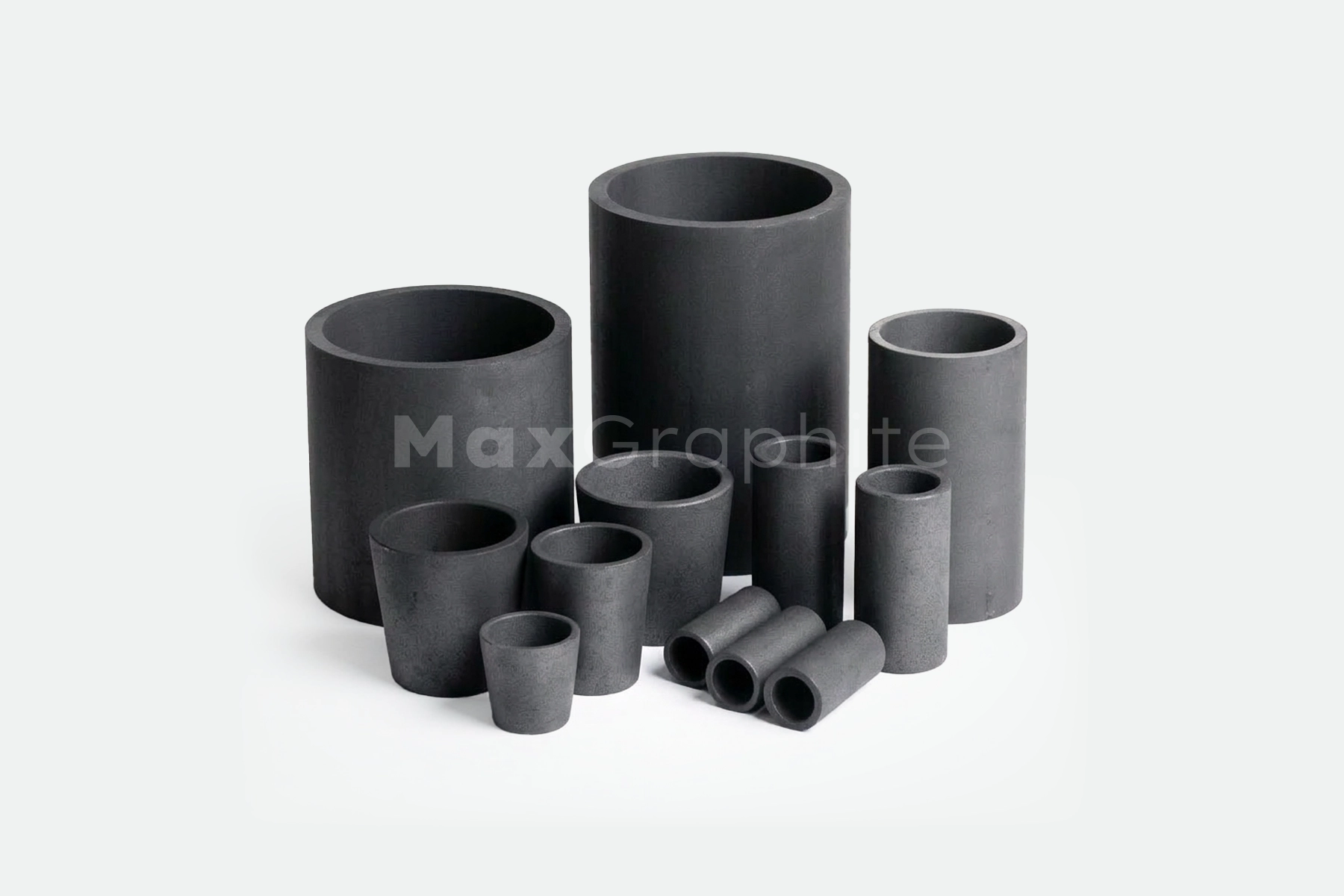
Graphite Crucibles

Graphite Die Casting Molds
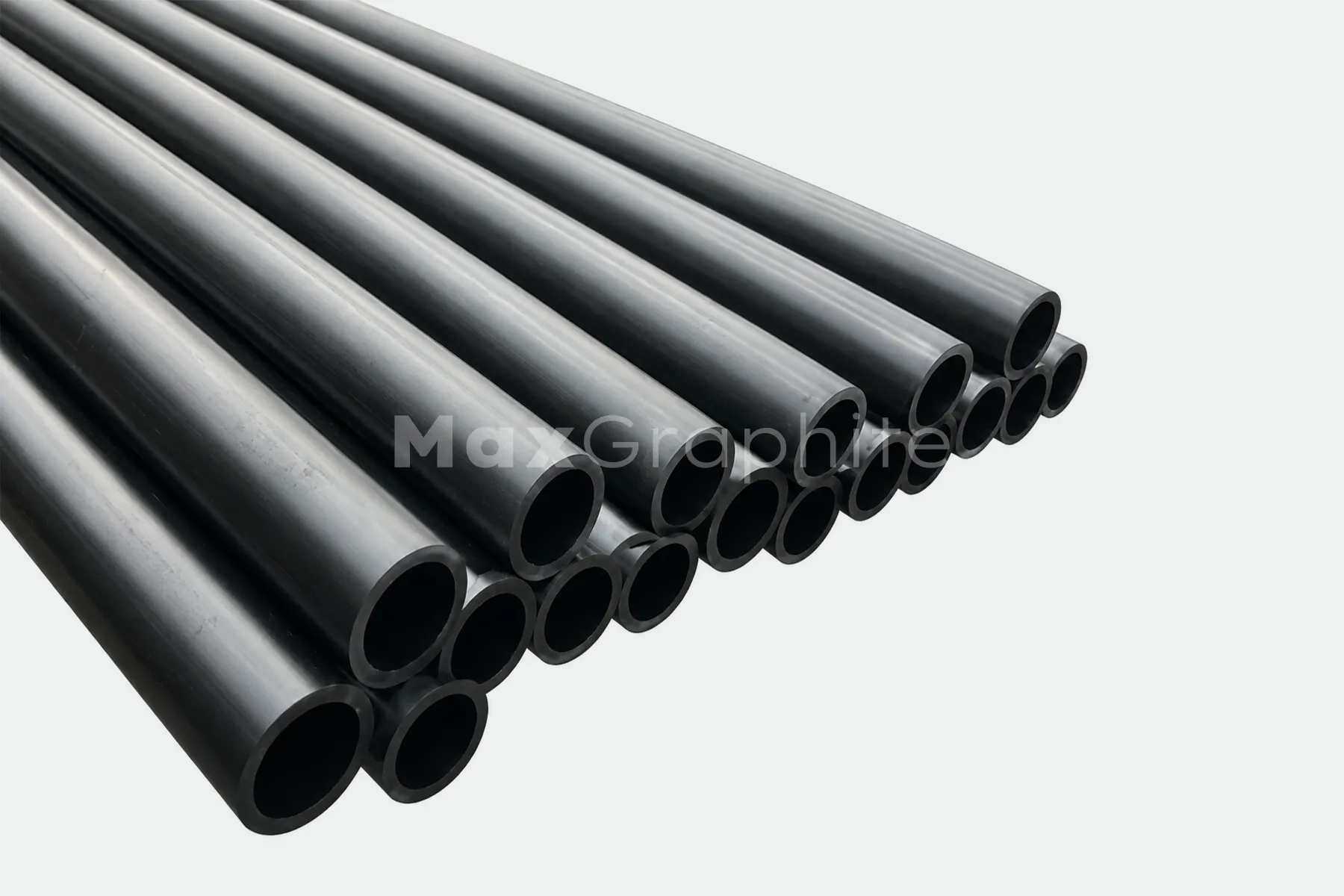
Graphite Tube