
Vibrated Graphite
For industries requiring large-size, high-performance graphite components with uniform properties, Vibrated Graphite (also known as Vibration Molded Graphite) is the engineered solution. This specialized manufacturing process produces isotropic, medium-grained synthetic graphite blocks that excel in thermal, mechanical, and electrical stability under extreme conditions. Discover our range of standard and custom grades designed for applications in solar energy, heat treatment, chemical processing, and more.

Specification of
Vibrated Graphite
We manufacture 4 standard grades of Vibrated Graphite.
Typical Grade Specifications: All values are typical; custom grades available on request.
Certifications:
Size of
Vibrated Graphite
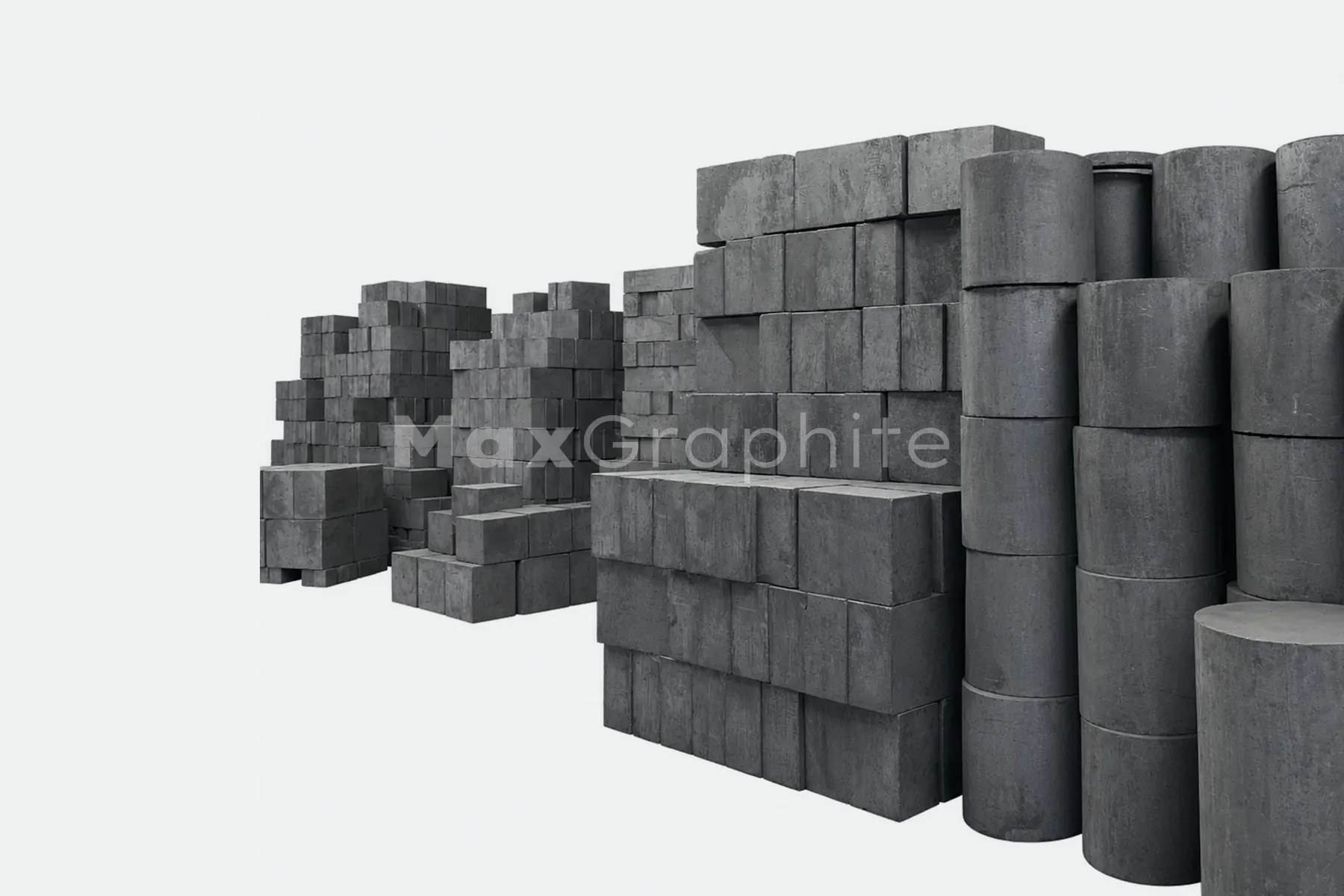
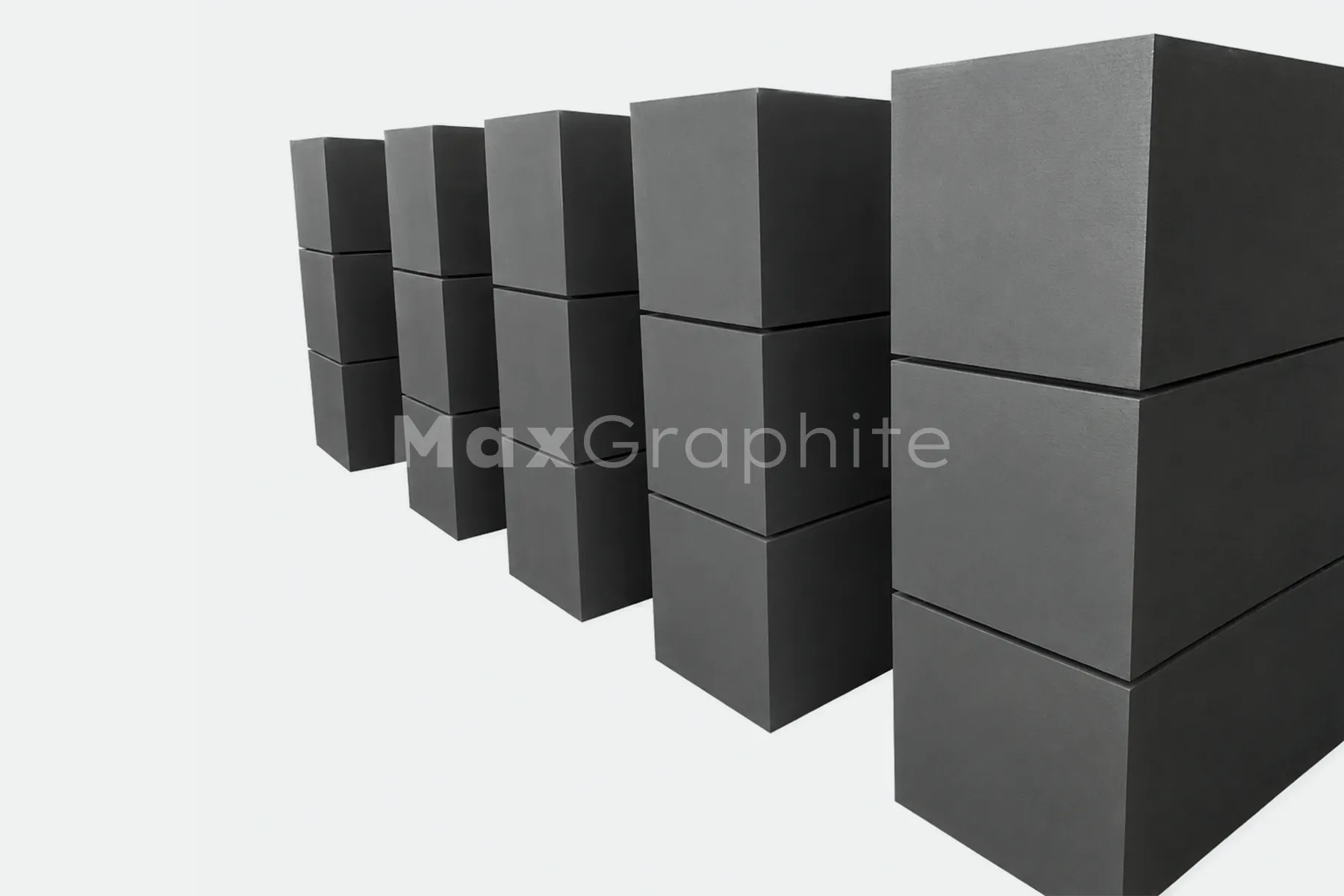
Vibrated Graphite is renowned for its capability to be produced in exceptionally large formats, making it ideal for sizable furnace components and complex, one-piece designs.
Contact us for a detailed stock list or to discuss your custom size requirements.
What is Vibrated Graphite?
Vibrated Graphite is a premium grade of synthetic (artificial) graphite characterized by its medium grain size and isotropic structure. The "vibrated" name comes from its specialized production method – vibration molding.
Unlike extruded graphite, which has directional properties, the vibration compaction process ensures uniformity in all axes. This results in a material with consistent thermal expansion, electrical conductivity, and mechanical strength regardless of orientation. It is known for offering an excellent balance of high purity, enhanced mechanical strength, good thermal stability, and cost-effectiveness for large parts, distinguishing it from other forming methods like isostatic pressing.
Key Properties of Vibrated Graphite
- High Isotropy: Uniform structure providing consistent physical and thermal properties in all directions.
- Large Size Availability: Can be manufactured in very large blocks (e.g., 940×500×3500mm) and cylinders, reducing the need for joins.
- Excellent Thermal Stability: High resistance to thermal shock and sustained performance at extreme temperatures.
- Superior Mechanical Strength: Good compressive and flexural strength for durable components.
- High Purity & Conductivity: Low ash content (can be purified to <50 ppm) and high electrical and thermal conductivity.
- Good Machinability: Consistent, medium-grain structure allows for precise and smooth machining into complex parts.
- Chemical Resistance: Inert to most acids and alkalis, ideal for corrosive environments.
- Enhanced Performance Options: Properties can be further improved through resin impregnation (increasing density and strength) and anti-oxidation treatments.
Production Process of Vibrated Graphite
Vibrated Graphite is manufactured using a unique Vibration Molding Process, distinct from traditional extrusion or isostatic pressing. This process is key to achieving the material's isotropic properties and ability to form very large blocks.
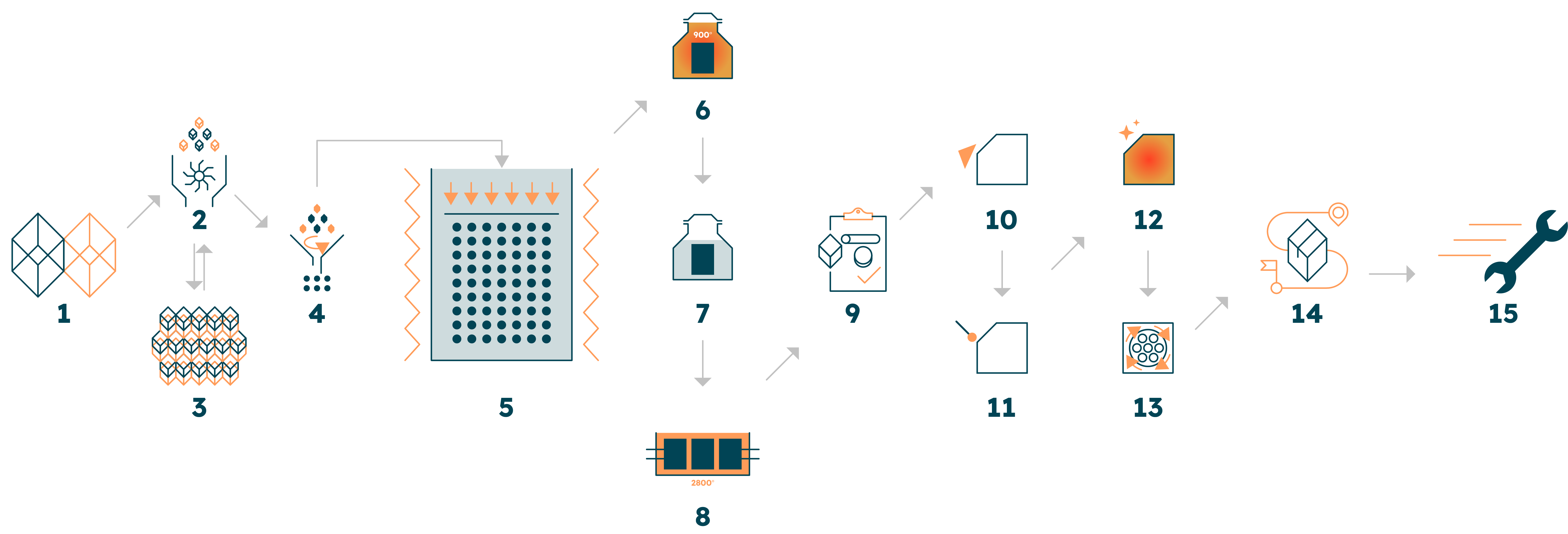
- Mixing: High-purity synthetic graphite particles are uniformly blended with a binder.
- Vibration Compaction: The mixture is placed in a large mold. A patented hydraulic pressing vibration forming device applies simultaneous vertical pressure and multi-directional vibrations. This combination efficiently compacts the material, eliminates air pockets, and ensures a highly homogeneous, dense structure before baking.
- Curing & Baking: The "green" block is heat-treated to carbonize the binder.
- Graphitization: It undergoes high-temperature treatment (up to 2800°C) to develop the crystalline graphite structure.
- Purification & Machining: Optional high-temperature purification reduces ash content. Finally, blocks are precision-machined into finished components.
Applications
Heat Treatment & Vacuum Furnaces
Heating elements, insulation plates, and structural parts for high-temperature vacuum furnaces.
Solar & Photovoltaic (PV)
Crucibles, heaters, and susceptors for crystal growth in silicon and other semiconductor materials.
Metallurgy & Foundry
Graphite crucibles, molds, dies, and furnace fixtures for metal melting, casting, and heat treatment applications.
Chemical Processing
Components for graphite heat exchangers, reactors, and piping systems requiring superior corrosion resistance.
Electrolysis
Electrodes and conductive parts in electrolytic processes requiring high electrical conductivity and chemical stability.
Related Materials and Products
We supply both raw vibrated graphite blocks and rounds, as well as precision-machined components.
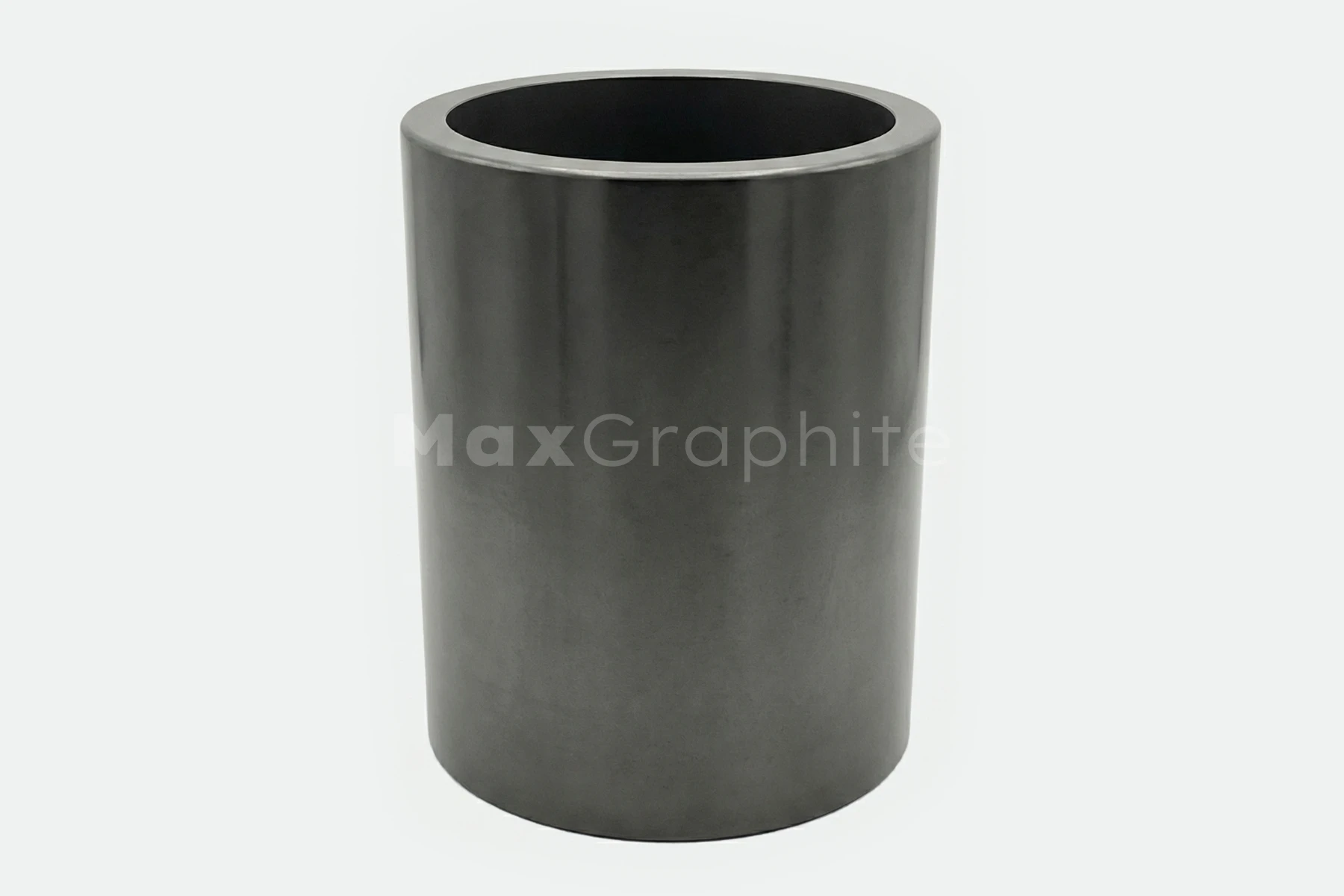
Isostatic Graphite
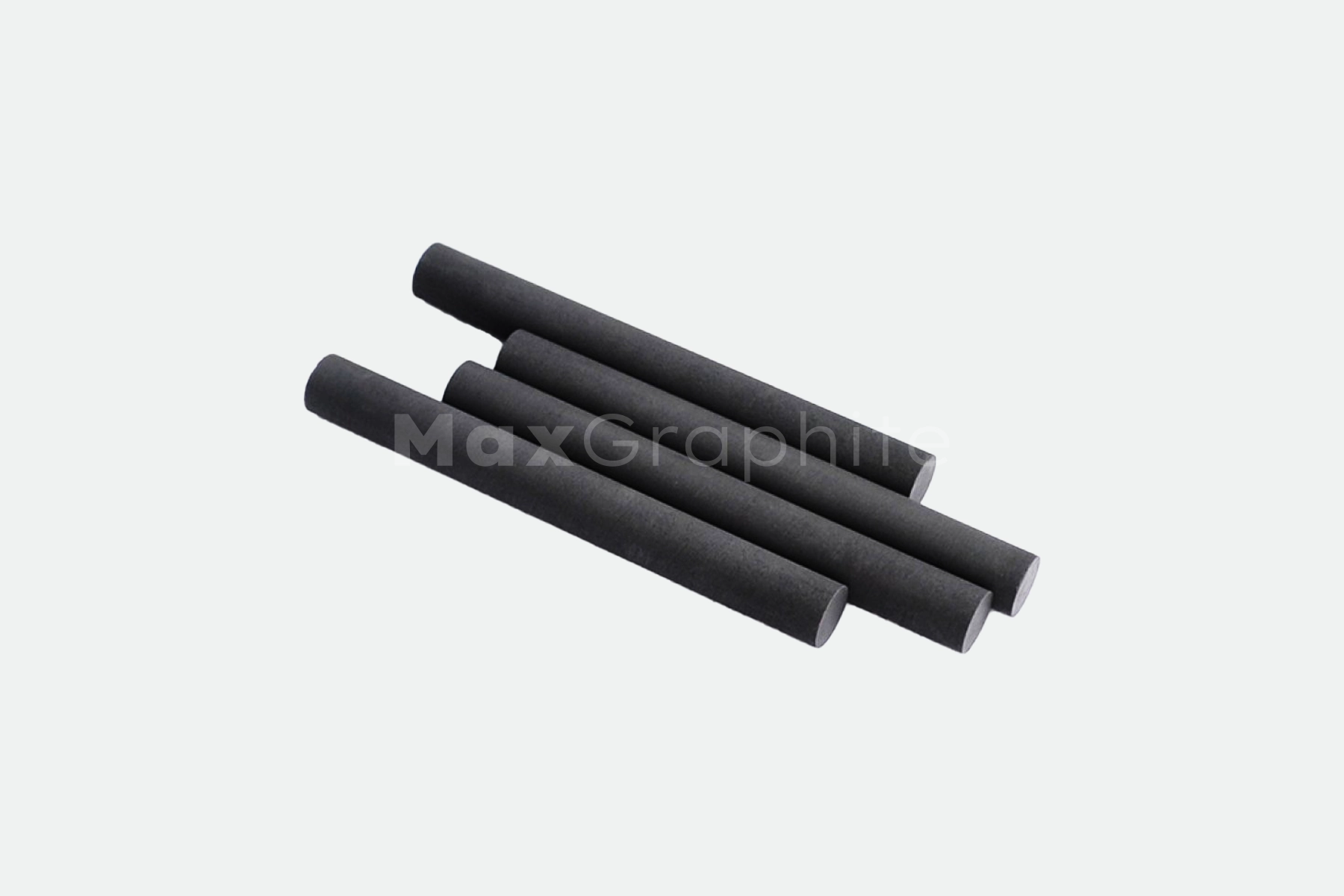
Extruded Graphite
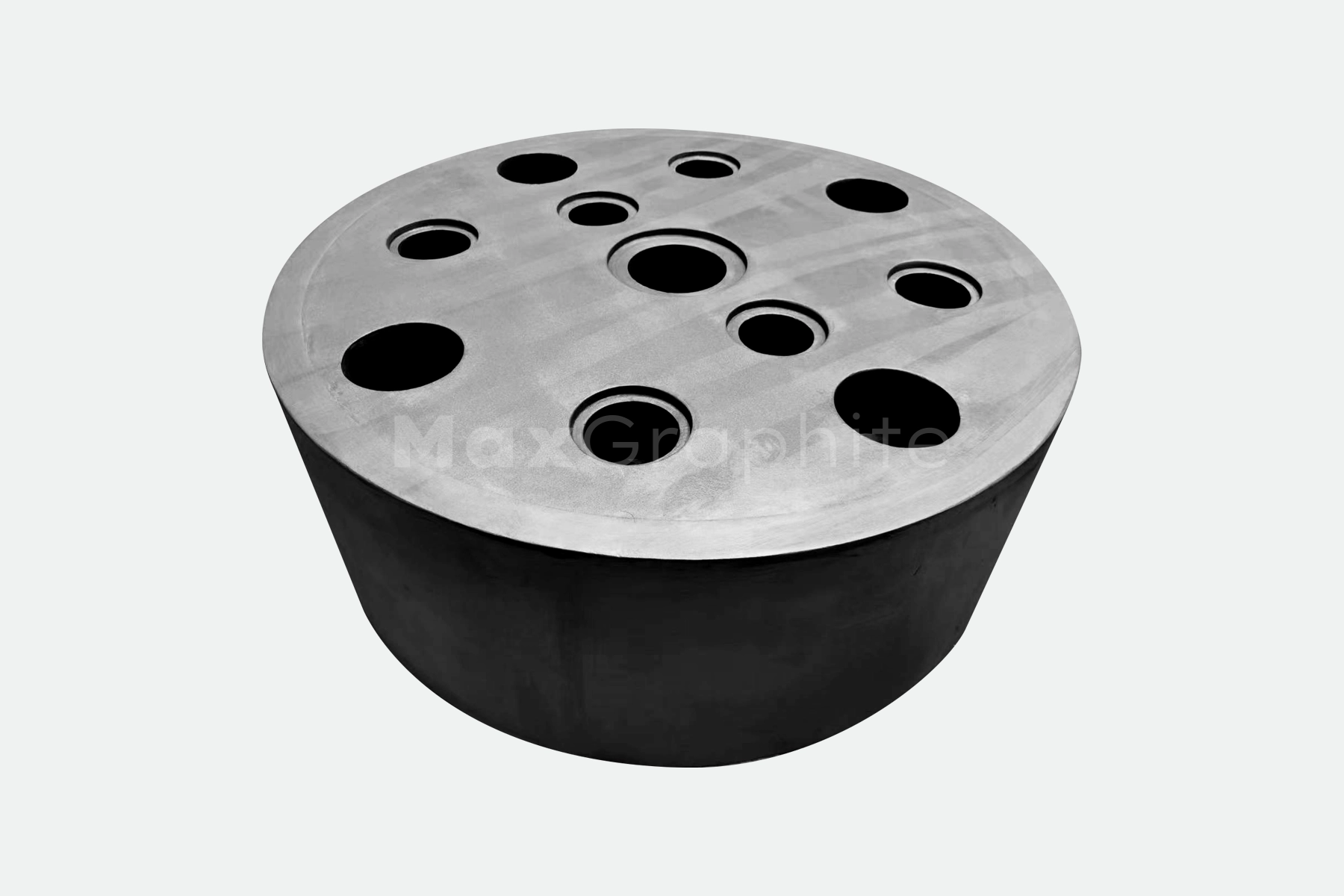
Molded Graphite
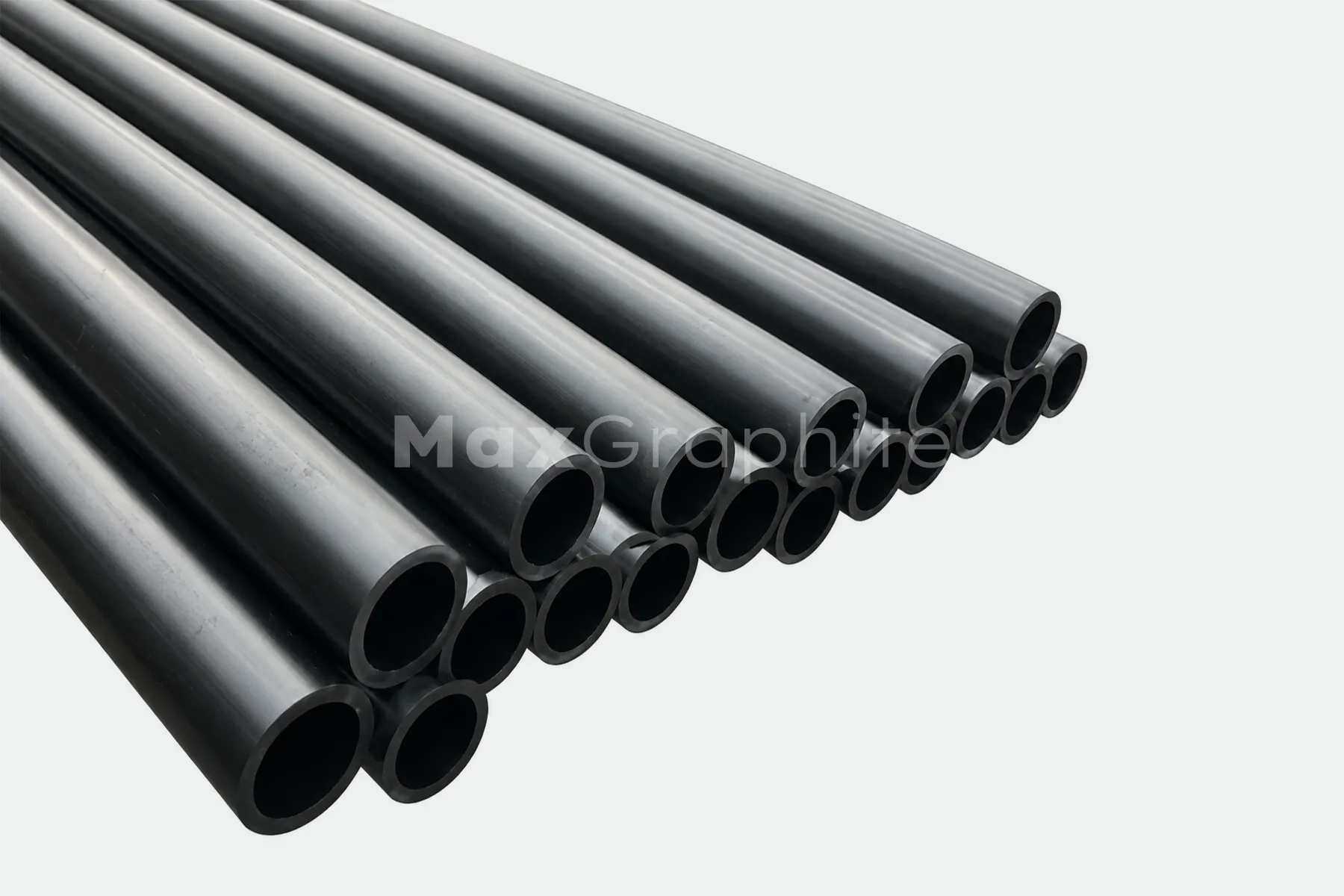
Graphite Tube
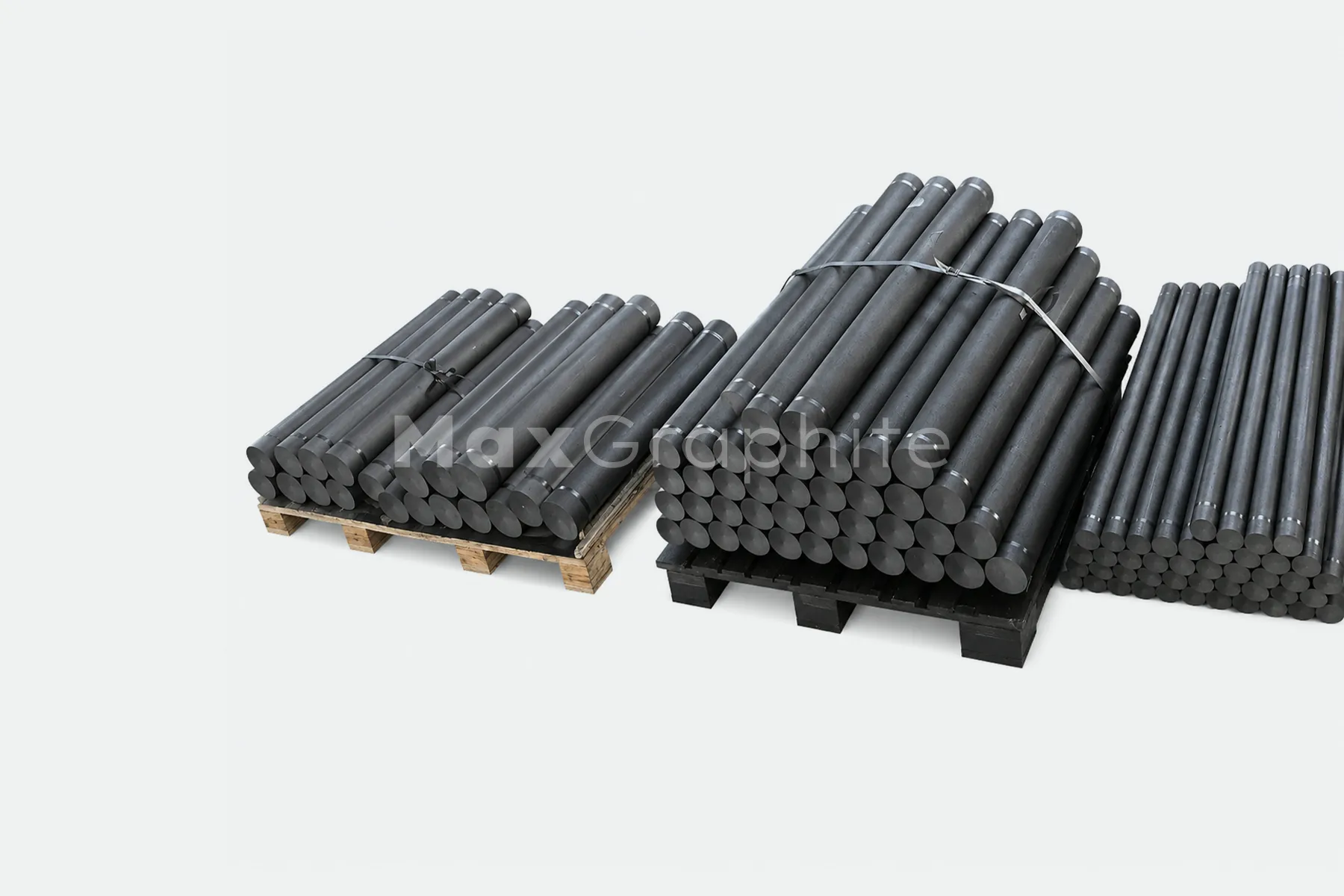
Graphite Rod

Graphite Plate

Graphite Die Casting Molds
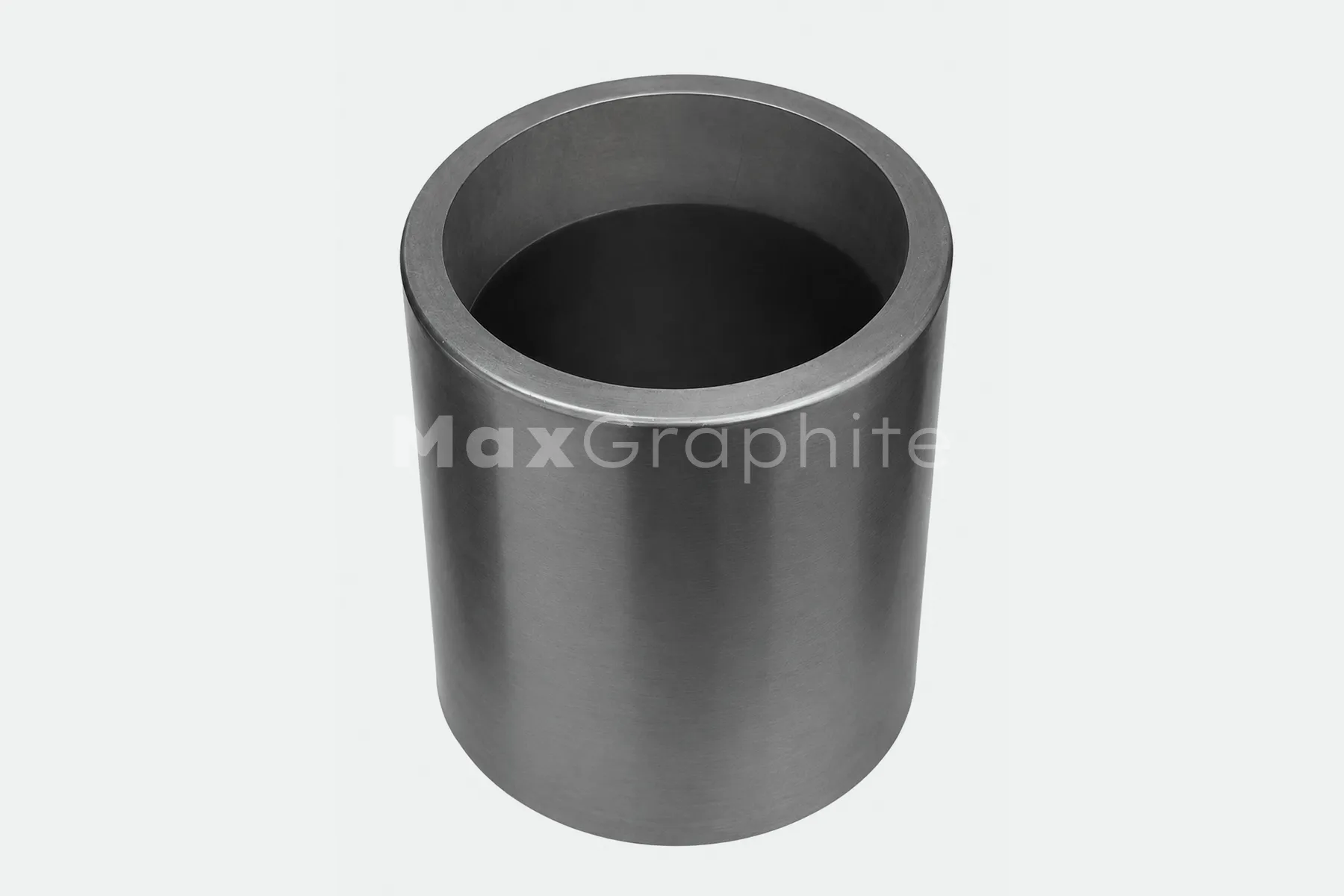
Graphite Cylinder
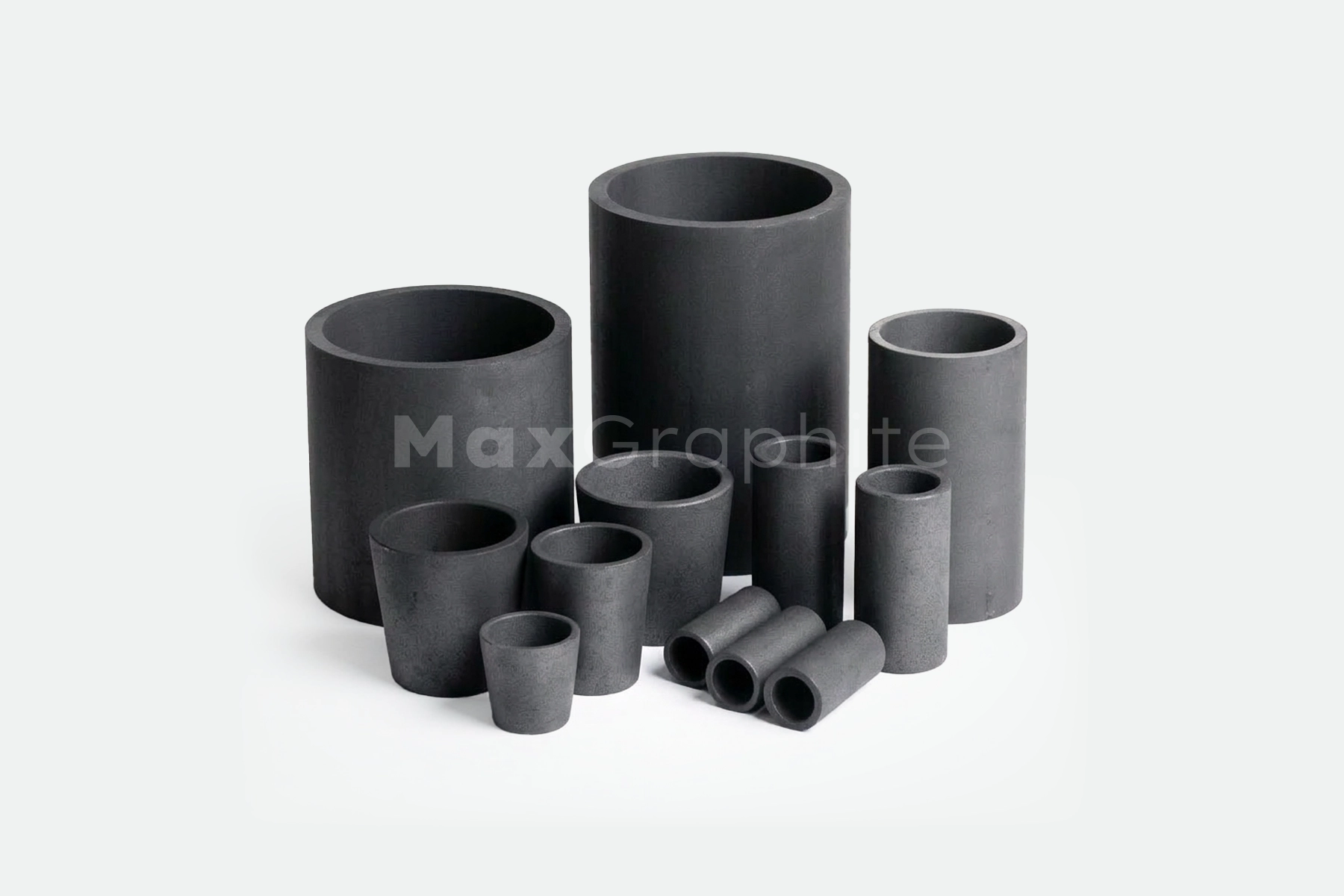
Graphite Crucibles
Graphite Chunk
Graphite Block