
Impregnated Graphite (Resin and Metal)
Max Graphite supplies impregnated graphite to OEMs, equipment builders, and process engineers operating in chemical processing, fluid handling, and broader high-performance process industries, where sealed porosity and predictable wear behavior are direct process variables. The full impregnant range — phenolic, furan, and epoxy resins through to copper, antimony, babbitt, silver, and bronze infiltrants — is matched to the operating chemistry, temperature, and load profile of the end application. Buyers source impregnated graphite from us when porosity sealing, impregnant-to-application fit, and machined-to-print delivery are non-negotiable.

What is Impregnated Graphite?
Impregnated graphite is a modified graphite material in which the open pore network of the base graphite is infiltrated with a thermosetting resin or molten metal, then cured or solidified to seal porosity and tune mechanical, chemical, and tribological performance. Resin impregnation produces an impermeable, corrosion-resistant material engineered for sealing against aggressive chemistries. Metal impregnation produces a strengthened, often self-lubricating material engineered for higher loads, elevated temperatures, and electrical or thermal conduction.
Properties of Impregnated Graphite
- Sealed Porosity — Impregnation closes the open-pore network and produces a gas- and liquid-tight material for sealing duty.
- Enhanced Mechanical Strength — Infiltrants reinforce the graphite matrix and increase hardness, compressive strength, and impact resistance.
- Chemical and Corrosion Resistance — Resin grades withstand acids, bases, and process chemistries that degrade uncoated graphite.
- Self-Lubricating Behavior — Metal grades, particularly babbitt and bronze, maintain low friction across dry, wet, and partially lubricated contact.
- Improved Wear Resistance — Sealed porosity and matrix reinforcement extend service life under sliding, rotating, and reciprocating loads.
- Electrical and Thermal Conductivity — Copper- and silver-impregnated grades add metallic conductivity for contact and brush applications.
- Application-Specific Tuning — The same base graphite is matched to chemical, mechanical, electrical, or tribological demands through impregnant selection.
Applications
- Mechanical Seals — Primary rings and seal faces for pumps, compressors, and rotating equipment in chemical and fluid-handling service.
- Bearings and Bushings — Self-lubricating radial, thrust, and sleeve bearings for wet, dry, and submerged operation.
- Heat Exchanger Components — Tubes, plates, and blocks for corrosion-resistant heat transfer in aggressive chemical environments.
- Pump Vanes and Rotors — Wear-resistant rotating components for vane pumps, water pumps, and compressor systems.
- Electrical Contacts and Brushes — Conductive sliding components for motors, generators, and current-collection systems.
- Chemical Process Equipment — Columns, reactors, and piping components where corrosion resistance and impermeability are specified.
- Aerospace Fluid Systems — Shaft seals and bearings in engine, fluid control, and environmental control systems.
- Automotive and Mobility Components — Water-pump seals, cooling-system parts, and EV thermal-management interfaces.
Related Materials and Products
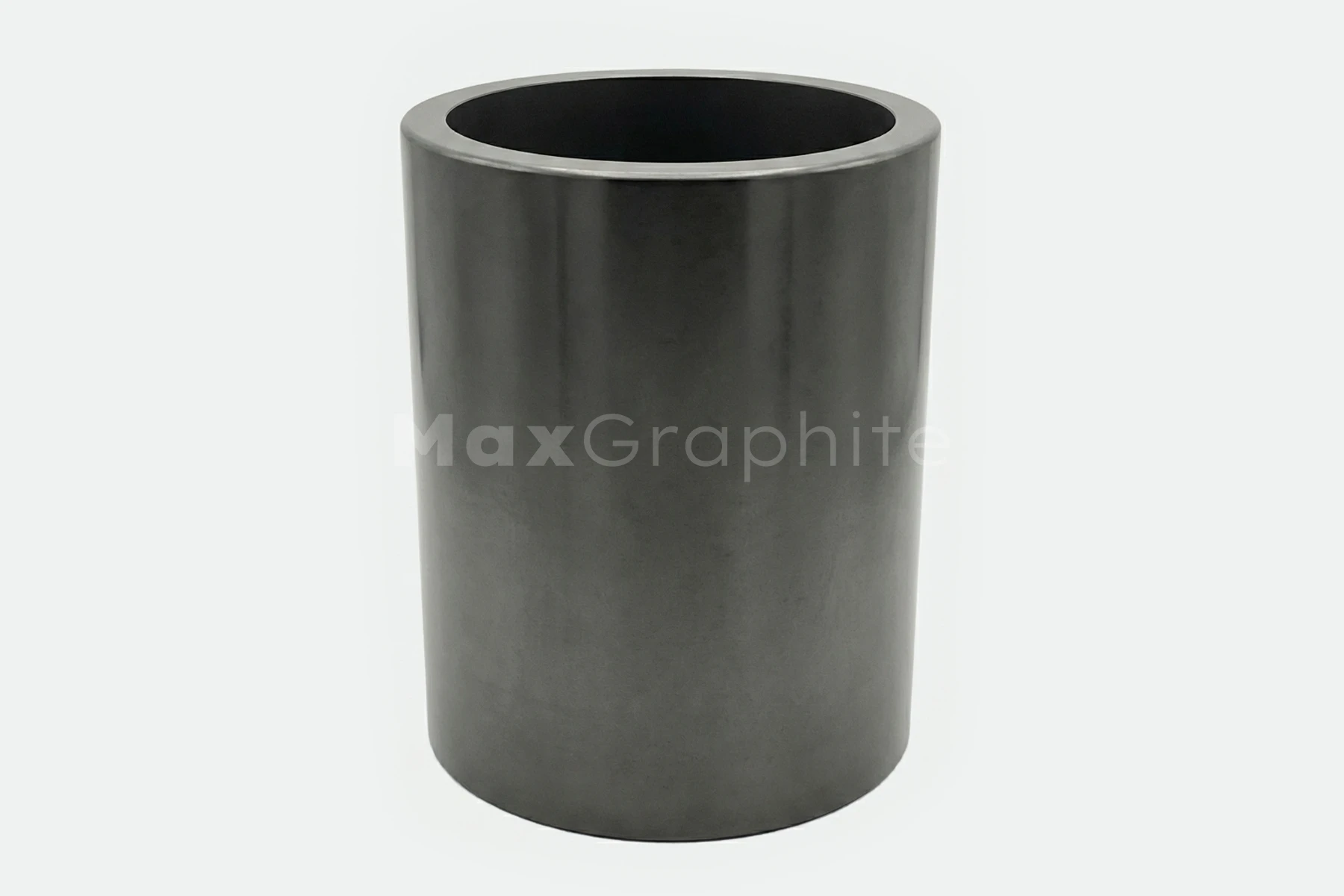
Isostatic Graphite
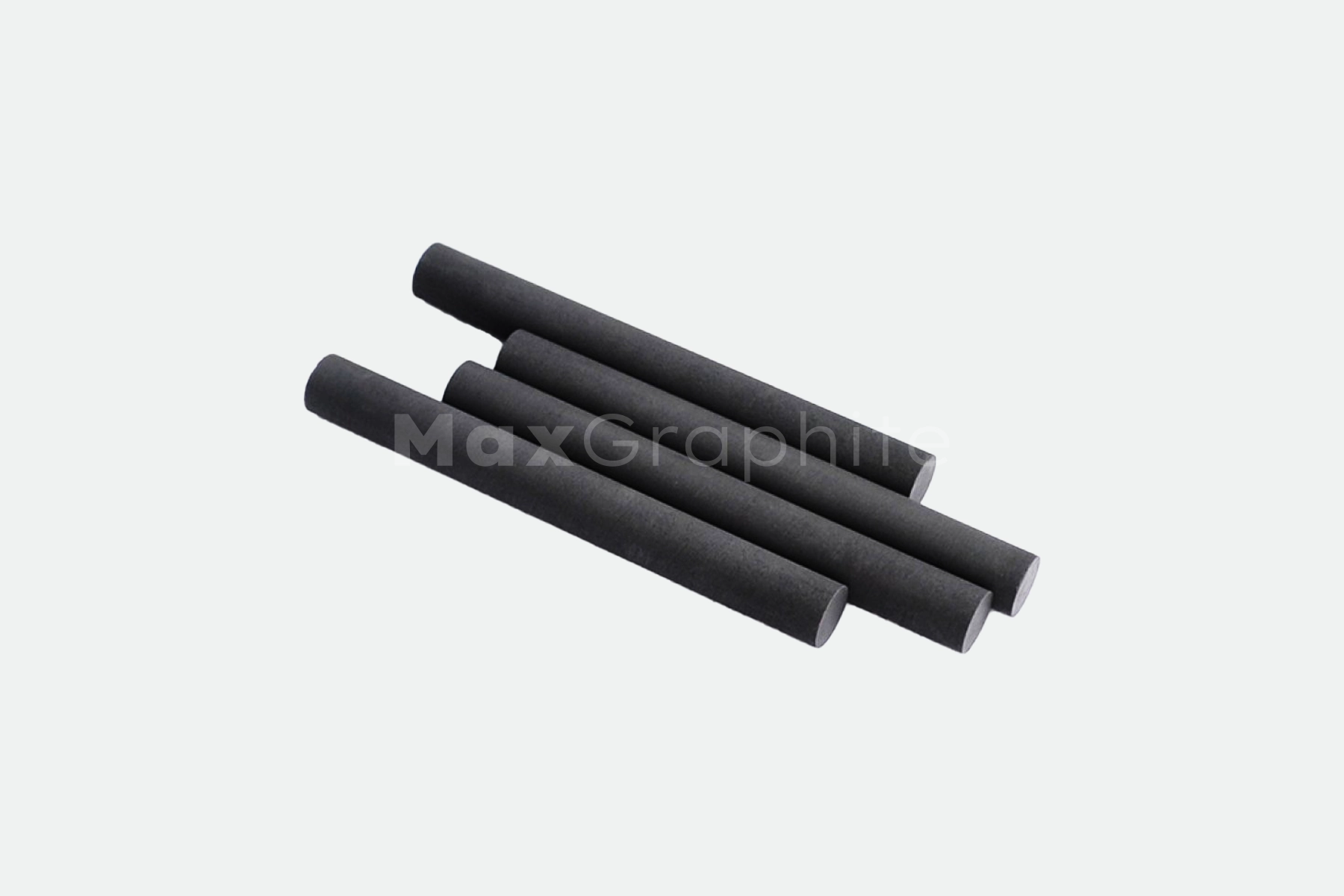
Extruded Graphite