Graphite-Coated Rigid Felt
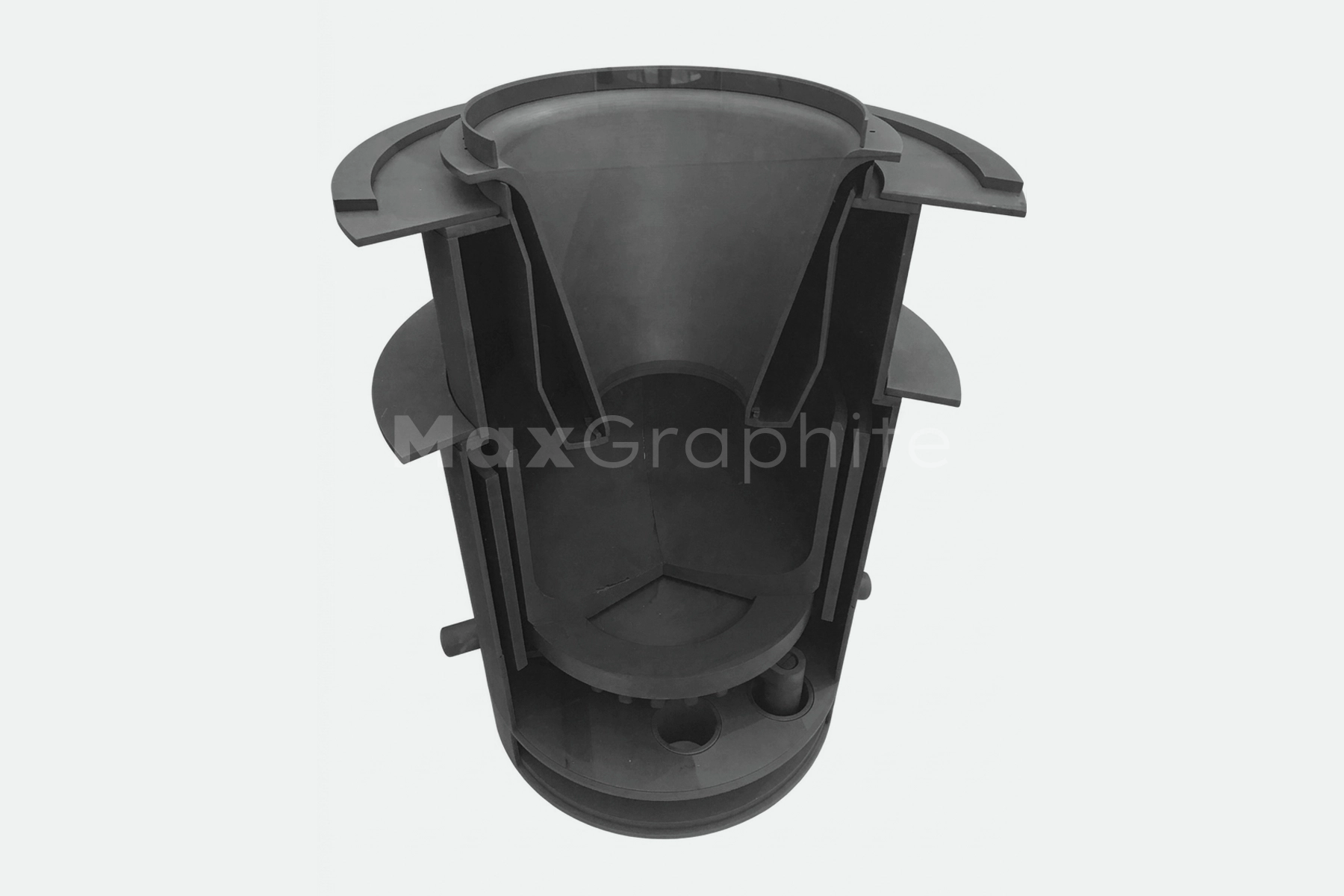
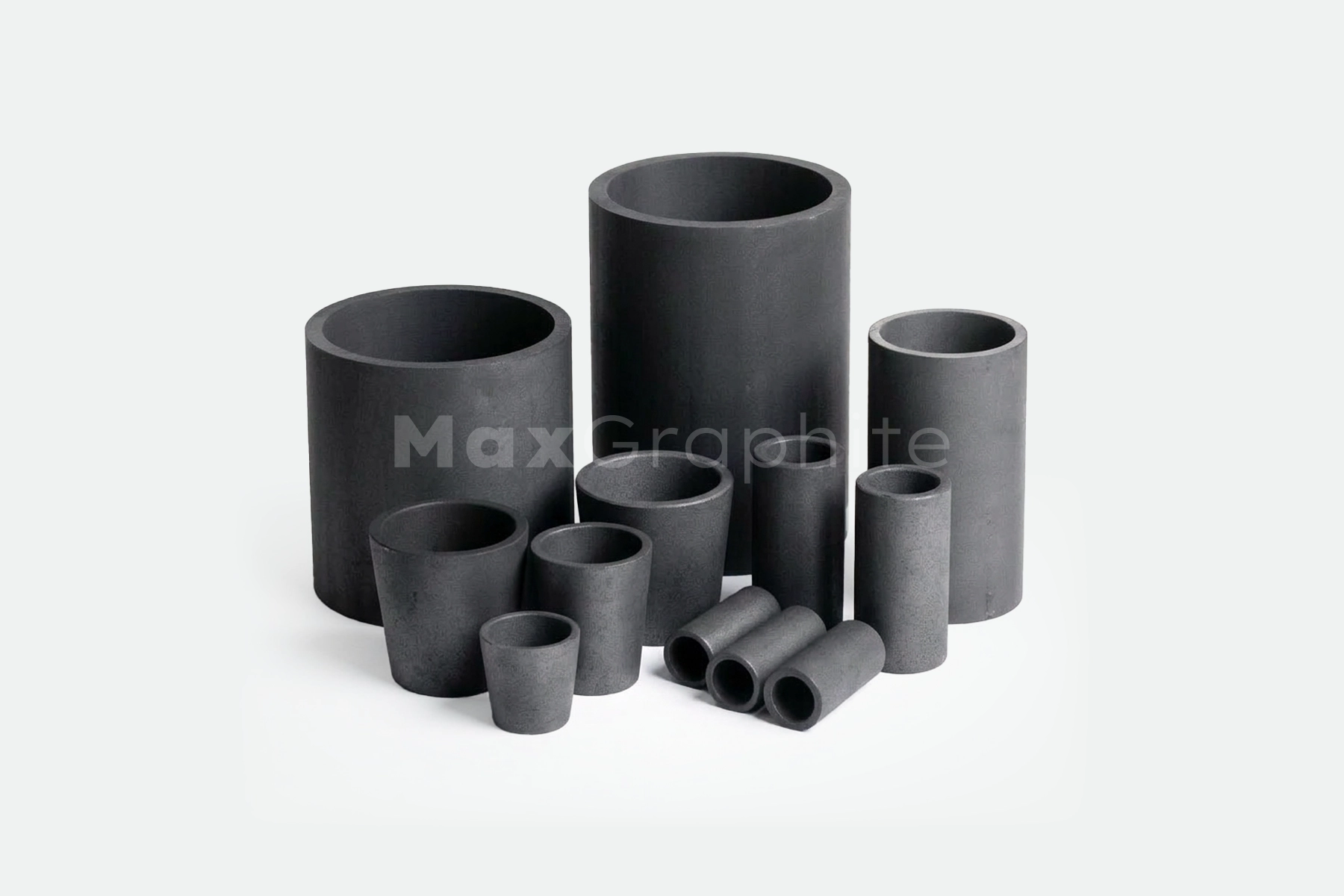
Max Graphite supplies graphite-coated rigid felt to engineers and procurement teams operating in heat treatment, semiconductor, and solar manufacturing — and broader high-temperature process industries — where coating integrity and insulation longevity are direct process variables. We supply across multiple fiber bases, coating configurations, and custom geometries — plates, cylinders, and complex 3D-machined forms — from a single qualified source. Whether the requirement is a standard panel or a fully coated insulation assembly, Max Graphite delivers the grade, geometry, and coating specification together.
The Insulation Layer That Sets Your Hot Zone Service Life
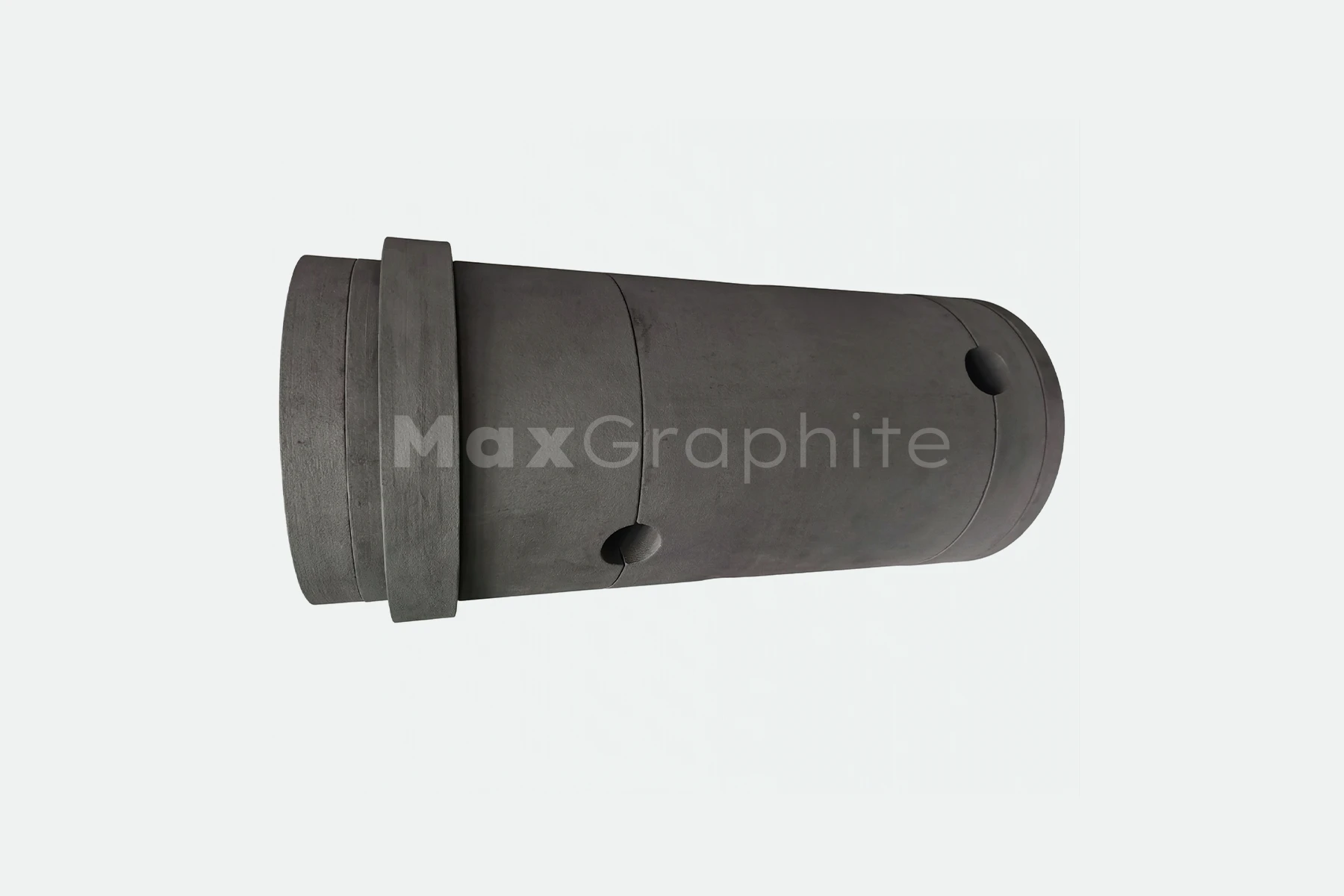
Graphite-coated rigid felt is specified wherever vacuum furnaces, crystal growth systems, sintering lines, and high-purity thermal processes demand insulation that holds dimensional stability, resists erosion, and minimizes particulate contamination over extended campaign cycles. The applied graphite coating seals the felt surface — reducing porosity, suppressing fiber shedding, and providing a durable barrier against gas-flow erosion. Max Graphite's coating process delivers consistent coverage and adhesion that directly extends replacement intervals and protects process cleanliness.
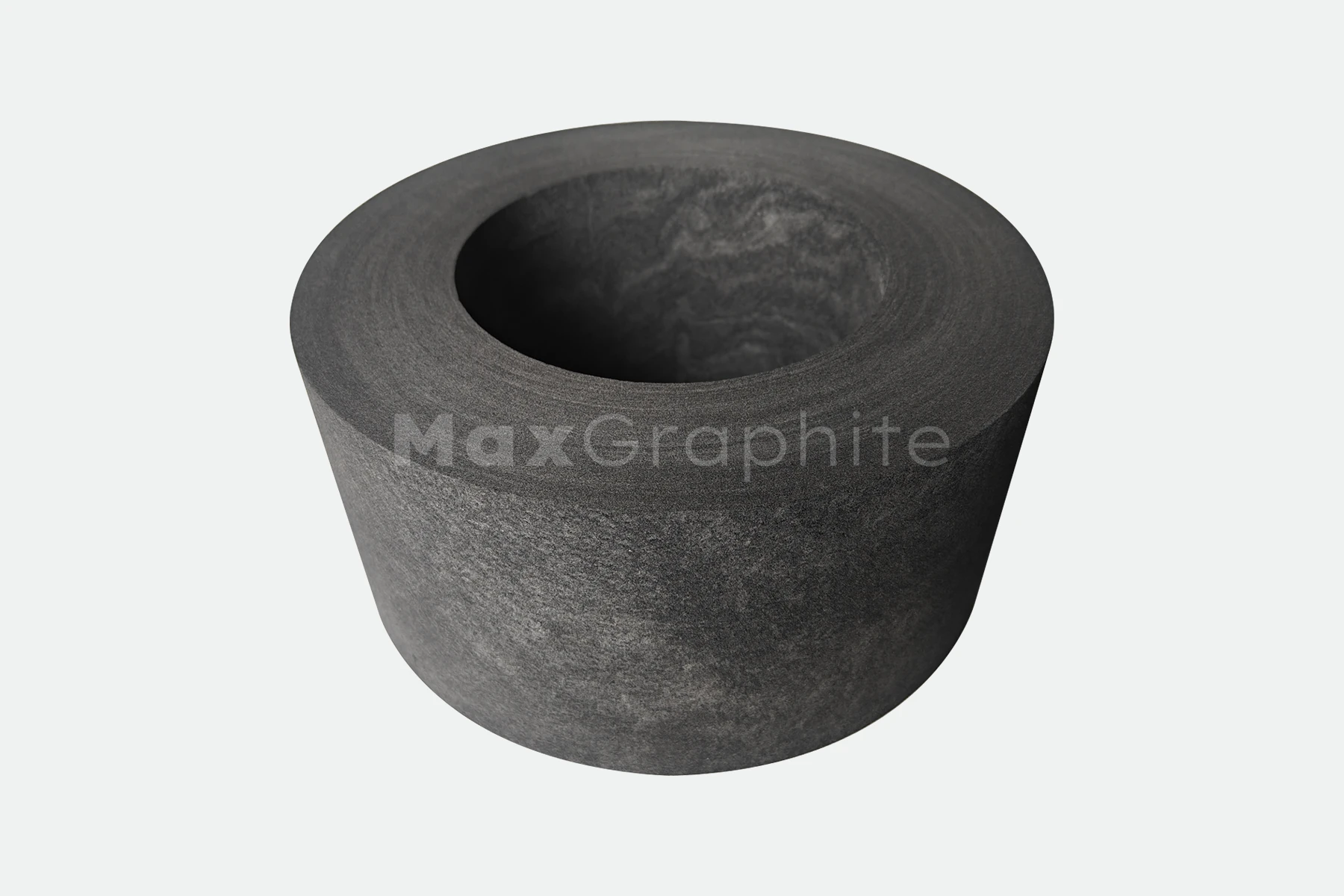
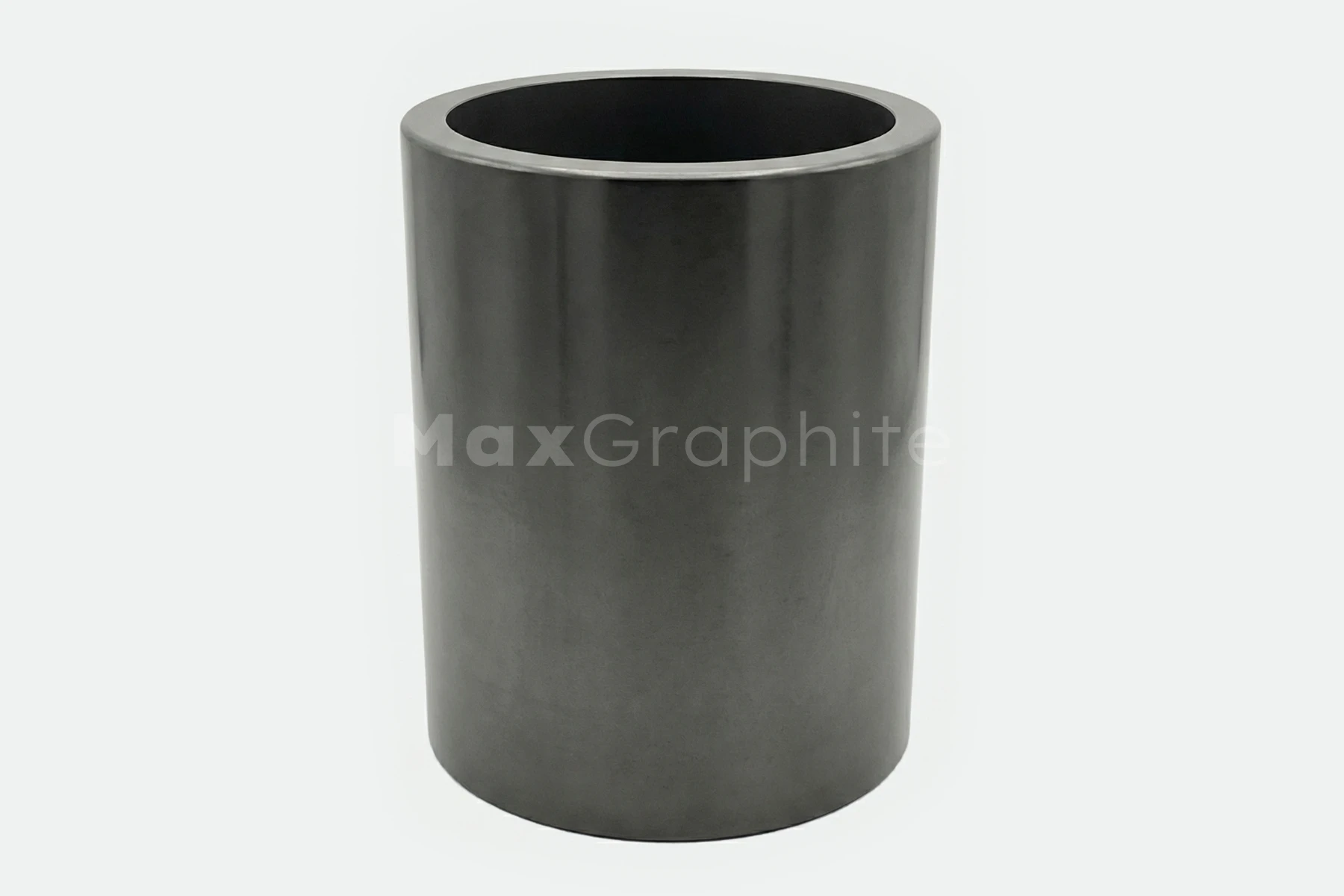
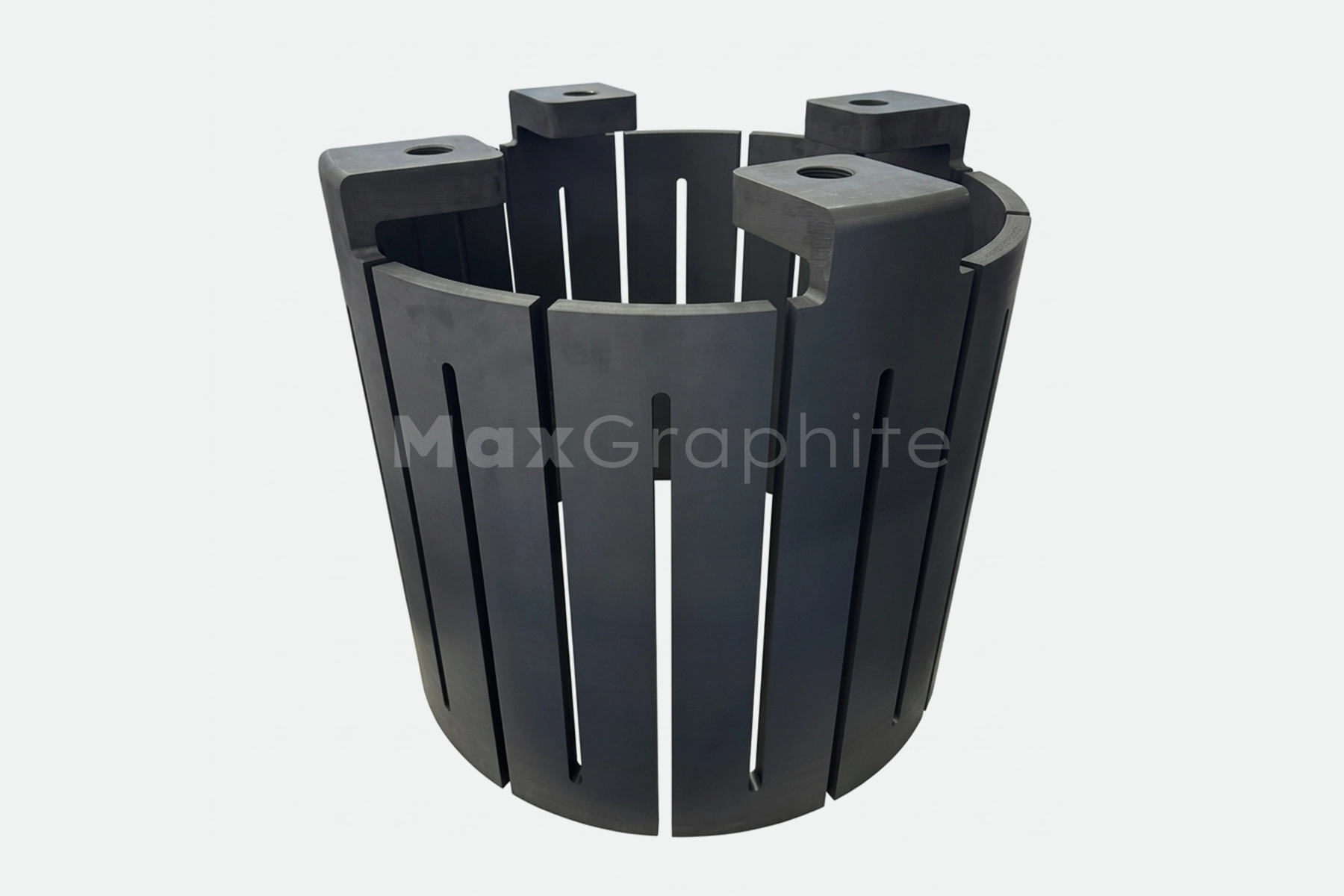
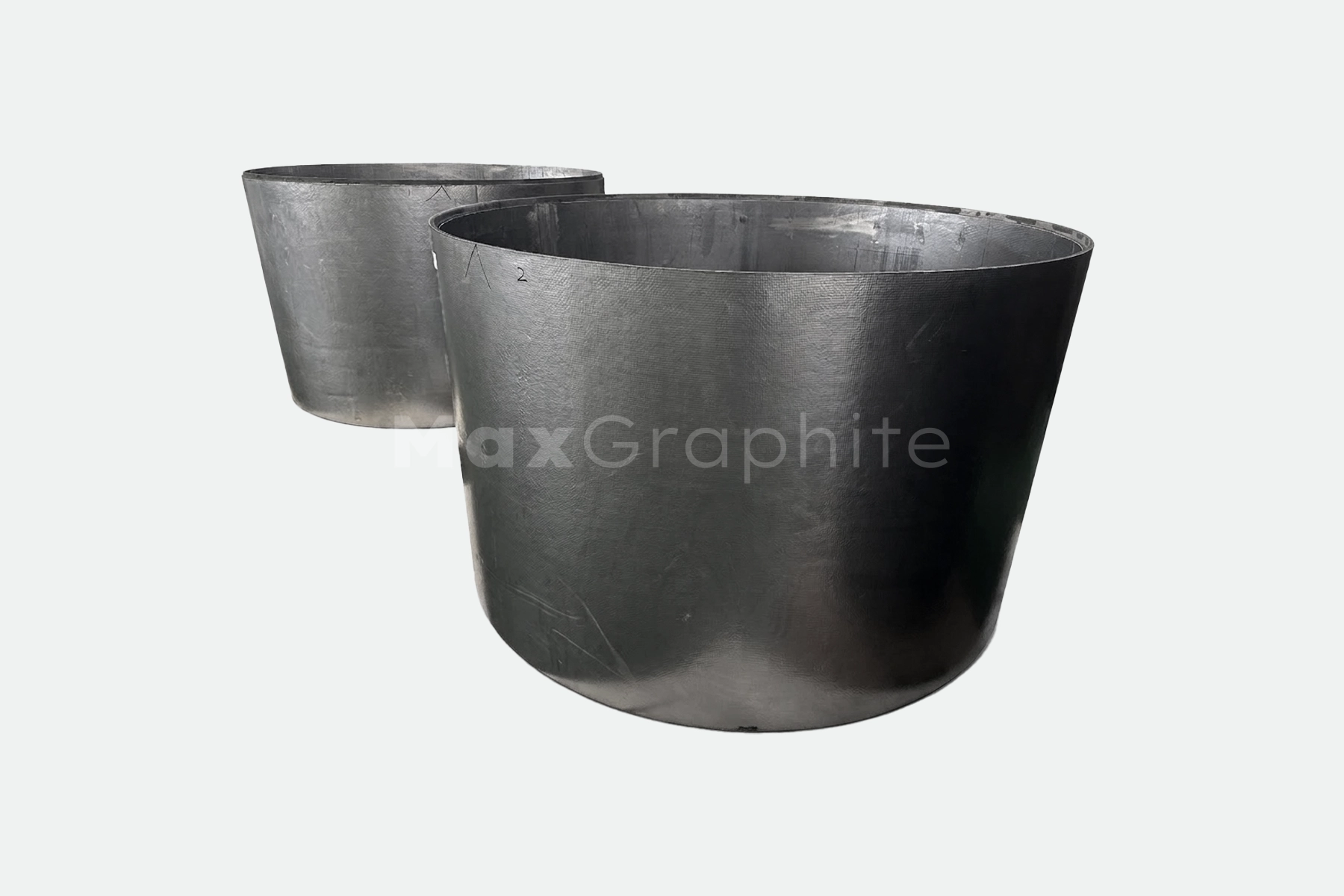
- Plates, cylinders, and machined assemblies — supplied in standard panels or custom 3D geometries to match your hot zone configuration.
- PAN-based and rayon-based fiber options — grade selected to your thermal, purity, and mechanical requirements.
- Controlled coating quality — uniform graphite surface application with verified adhesion and coverage, engineered for maximum erosion resistance and service life.
- Single-source supply — coated insulation, uncoated rigid felt, soft felt, and graphite foil available through one supplier with consistent lead times.
- Qualification-ready documentation — material traceability and quality records to support your incoming inspection and furnace qualification processes.
Applications
- Vacuum heat treatment furnaces
- Semiconductor crystal growth (CZ, PVT, SiC)
- Solar silicon production (mono and multi)
- Sintering and hot pressing
- CVD, CVI, and CVR systems
- Powder metallurgy
- Fiber optics production
- Induction furnaces