
MaxGraphite Molded Graphite
Cost-Effective, Consistent Quality Graphite Parts. Engineered for complex geometries and high-volume production–delivering excellent dimensional stability, thermal shock resistance, and repeatable performance at a competitive price point.
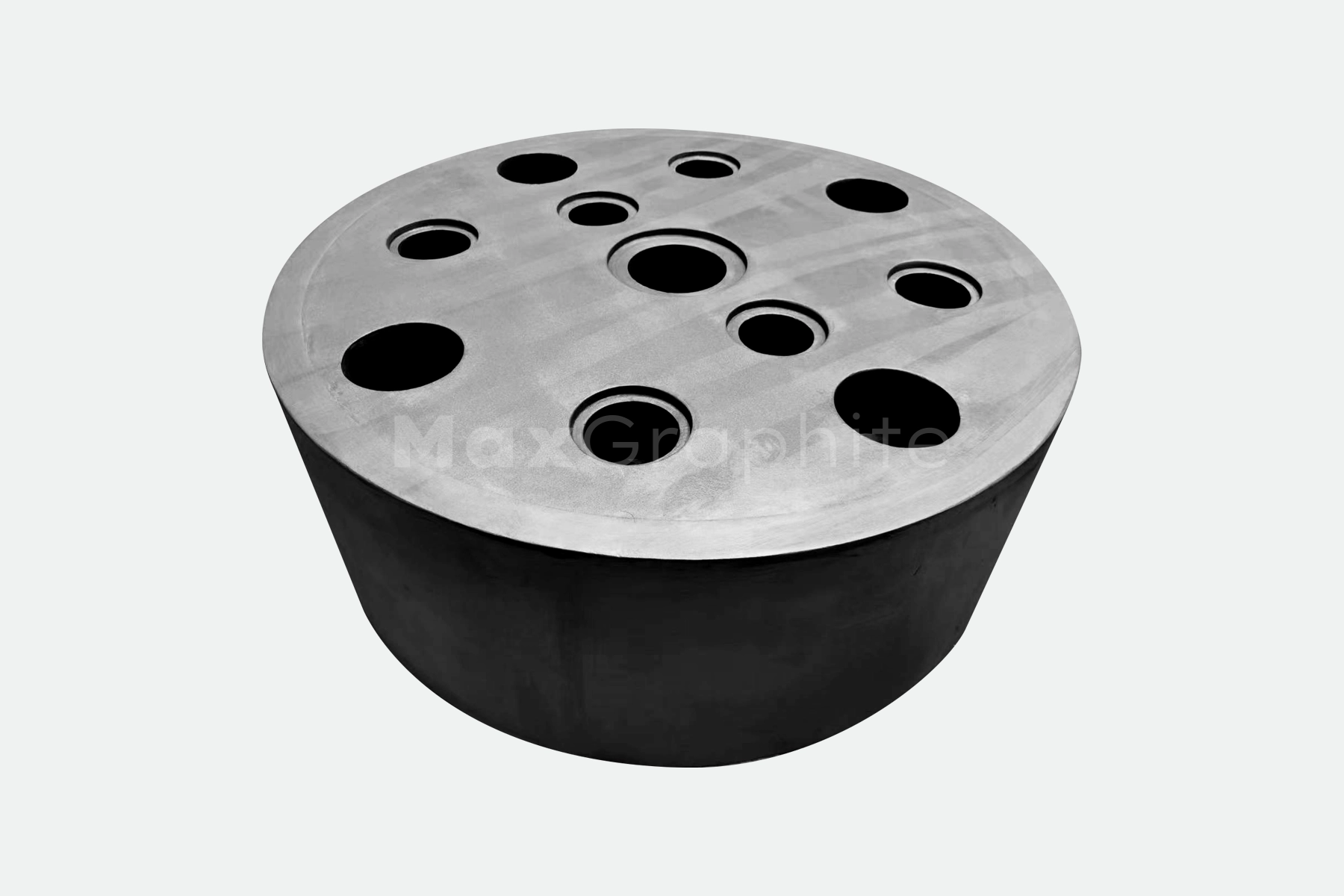
Specification of
Molded Graphite
Our molded graphite is engineered for high performance in demanding thermal and mechanical environments.
Typical Grade Specifications: All values are typical; custom grades available on request.
Certifications:
Size of
Molded Graphite
Molding allows for the production of complex, near-net-shape parts with excellent dimensional consistency.
Contact us for a detailed stock list or to discuss your custom size requirements.
What is Molded Graphite?
Molded graphite is a cost-effective alternative to isostatic graphite, produced by compressing graphite powder with binders in a precision die under uniaxial pressure. This efficient manufacturing process supports both small and large-scale production of complex, near-net-shape parts with excellent dimensional accuracy.
While molded graphite typically has a coarser grain size and lower mechanical strength than isostatic graphite, it delivers reliable performance in many demanding applications. Its good thermal and electrical conductivity, combined with high-temperature stability and thermal shock resistance, make it well-suited for furnace components, crucibles, and metal processing tools.
In recent years, isostatic graphite production costs have declined, narrowing the cost gap. However, molded graphite remains preferred by customers who value its consistent quality and batch-to-batch repeatability for specific applications.
Note: MaxGraphite employs a pure isostatic pressing process without a preliminary molding step - resulting in higher isotropy, better product stability, and greater batch consistency in our isostatic graphite products.For applications requiring the highest uniformity, explore our Isostatic Graphite range.
Properties of Molded Graphite
- Cost-Effective Production: Idealfor medium-to-high volume batches – near-net-shape forming reduces materialwaste and machining time.
- High Mechanical Strength: Excellentcompressive and flexural strength for durable fixtures and components underload.
- Good Dimensional Stability: Maintainsshape and size precision under thermal cycling – critical for tooling andmolds.
- Excellent Thermal Shock Resistance:Low thermal expansion and good thermal conductivity enable rapid heating andcooling without cracking.
- High-Temperature Resistance: Stablein inert or vacuum atmospheres up to 3000°C; resistant to oxidation up toapproximately 500°C in air.
- Good Machinability: Can beprecisely ground, drilled, and cut to final dimensions with fine surfacefinishes.
- Anisotropic Behavior: Exhibitsslightly different properties parallel vs. perpendicular to the pressingdirection – can be engineered for specific applications.
Production Process of Molded Graphite
The molded graphite process is designed for precision and repeatability in creating complex forms.
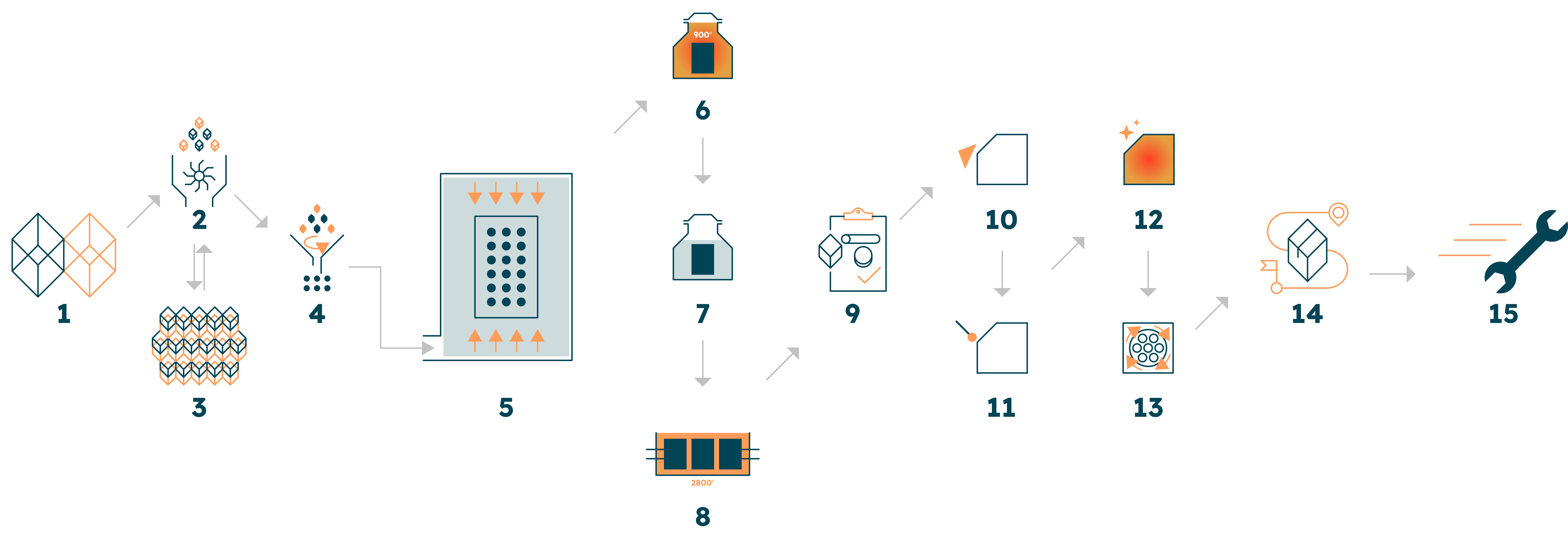
- Mixing & Blending: A precise blend of calcinedpetroleum coke (filler) and coal tar pitch (binder) is heated and mixed to forma homogeneous, plastic mass.
- Pre-forming & Cooling: The mix is cooled, crushed, and screened to create a free-flowing "pre-form" granulate.
- Molding: The granulate is loaded into a precision steel die. A hydraulic press applies uniaxial pressure (typically 50–150 MPa), compacting the material into its "green" shape with high dimensional accuracy.
- Baking (Carbonization): The green parts are slowly baked to approximately 1000°C in a protective atmosphere, converting the pitch binder into a solid coke carbon matrix.
- Impregnation (Optional): For higher density, parts undergo pitch impregnation under vacuum and are re-baked. This cycle may be repeated.
- Graphitization: The parts are heated to 2600–3000°C in an Acheson furnace, transforming the carbon into crystalline graphite and enhancing all key properties.
- Purification & Machining: Final high-temperature purification (for high-purity grades) and precision machining to meet exact specifications.
Applications
Precious Metal Melting
High-purity graphite crucibles for melting gold, silver, and other precious metals with long service life.
Photovoltaics (PV)
Crucibles, heaters, and insulation components for CZ furnaces in silicon crystal growth processes.
Industrial Vacuum Furnaces
Fixtures, rails, sintering plates, and heating elements for high-temperature vacuum furnace applications.
Metal Processing
Dies for hot pressing, continuous casting nozzles, and components for non-ferrous metal melting.
Chemical & Aerospace
Seals, bearings, and fixtures requiring chemical inertness and thermal stability in demanding environments.
Related Materials and Products
We supply a wide range of standard and custom-molded graphite products, all precision-machined to your specifications.
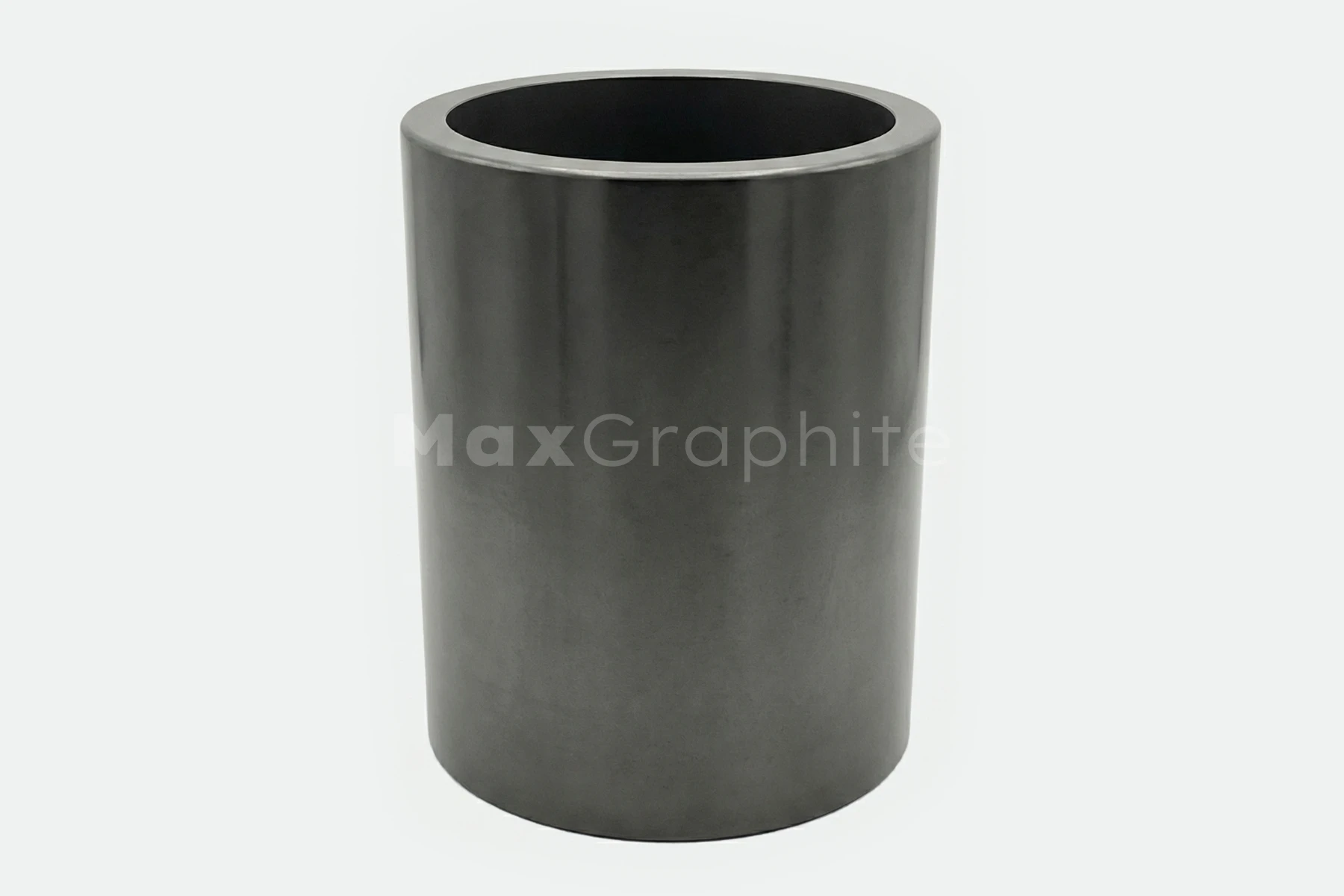
Isostatic Graphite

Vibrated Graphite
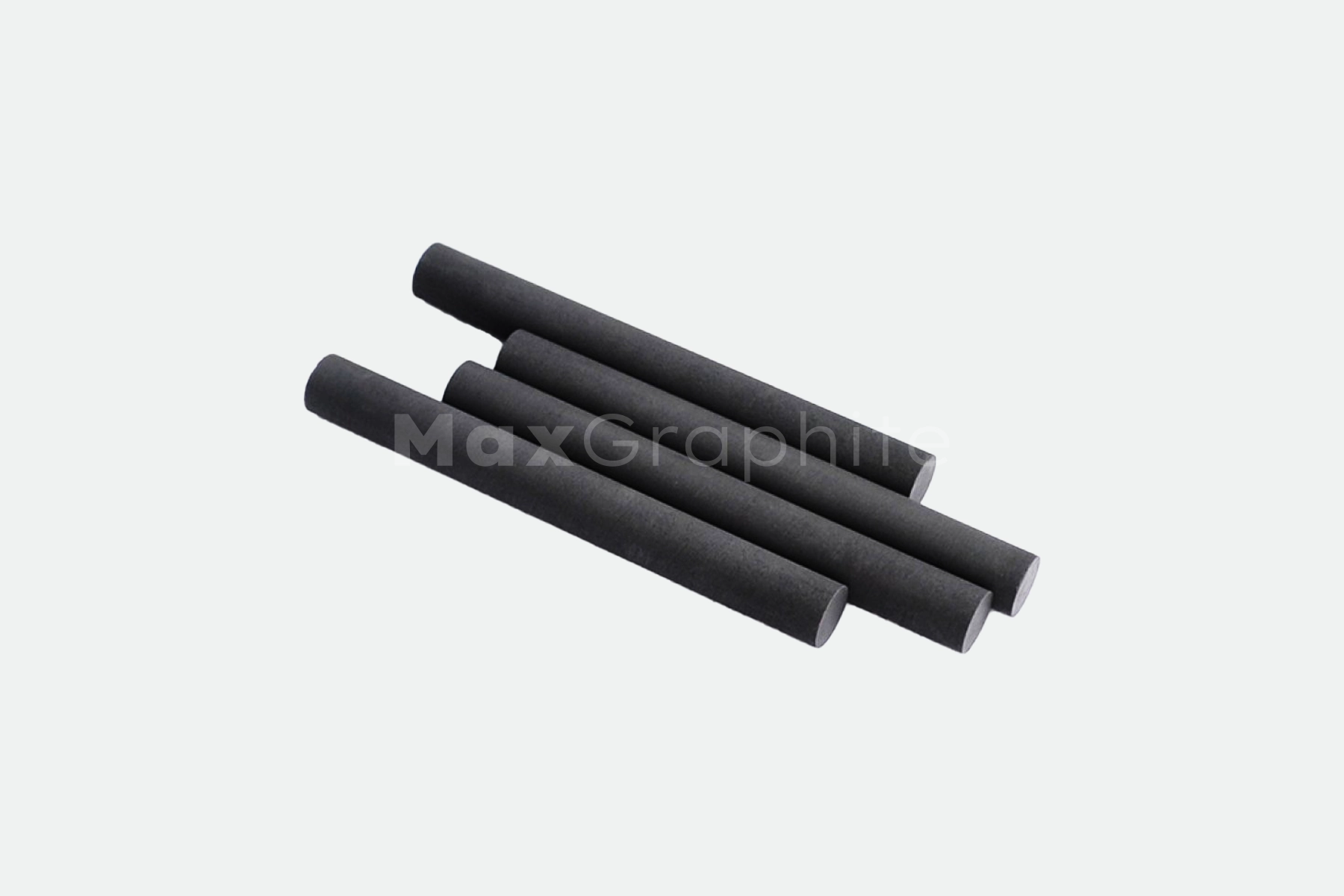
Extruded Graphite
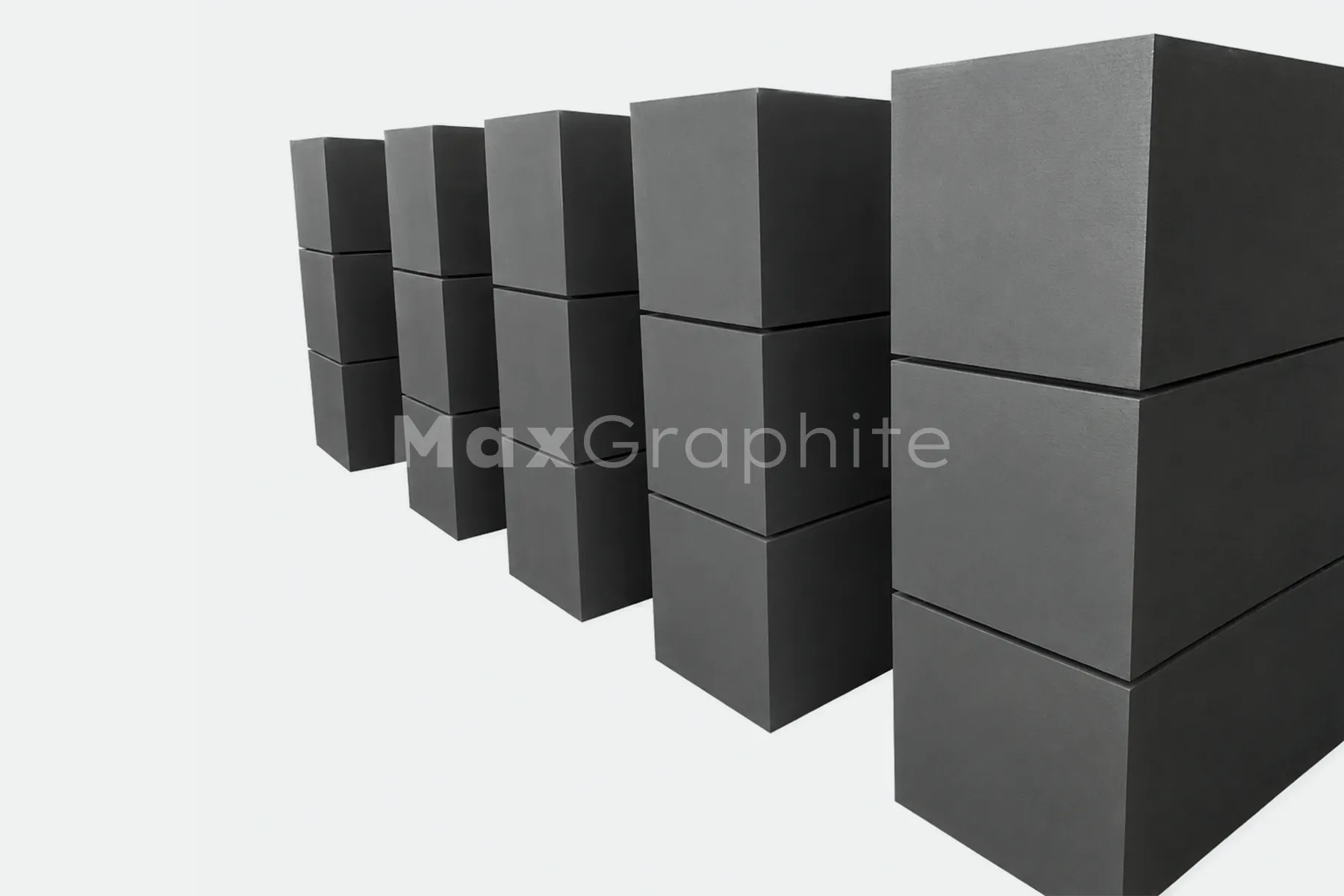
Graphite Block
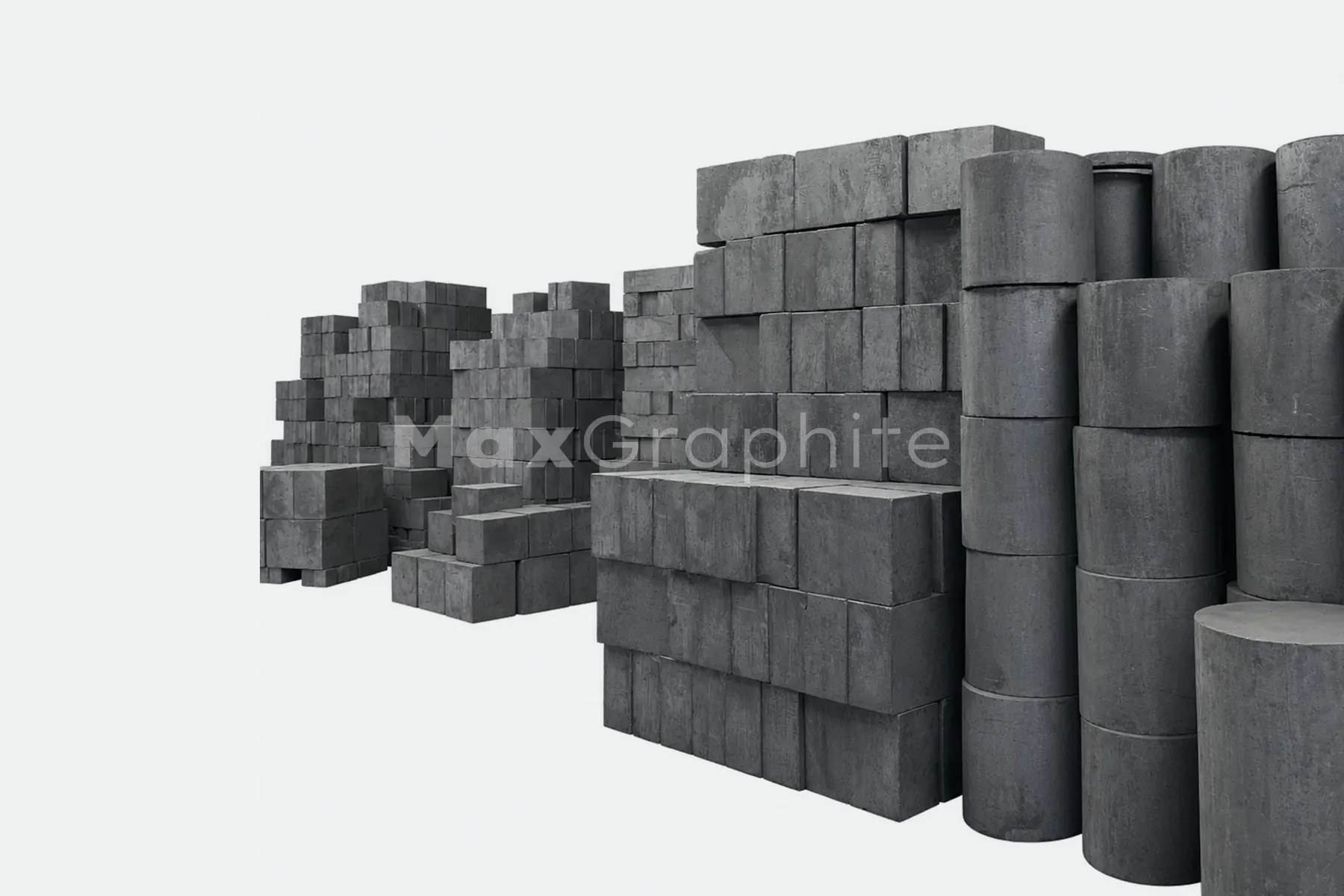
Graphite Chunk
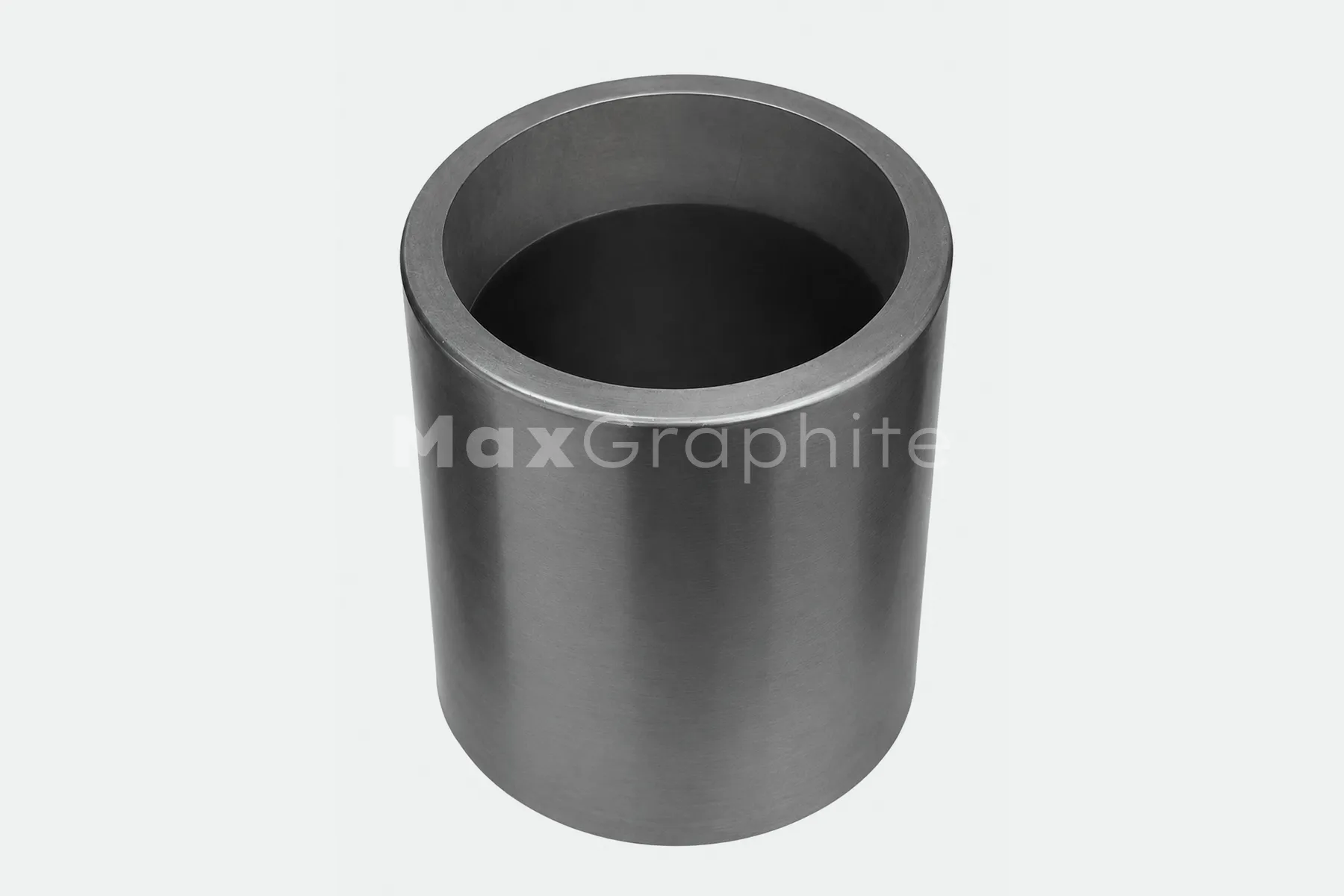
Graphite Cylinder
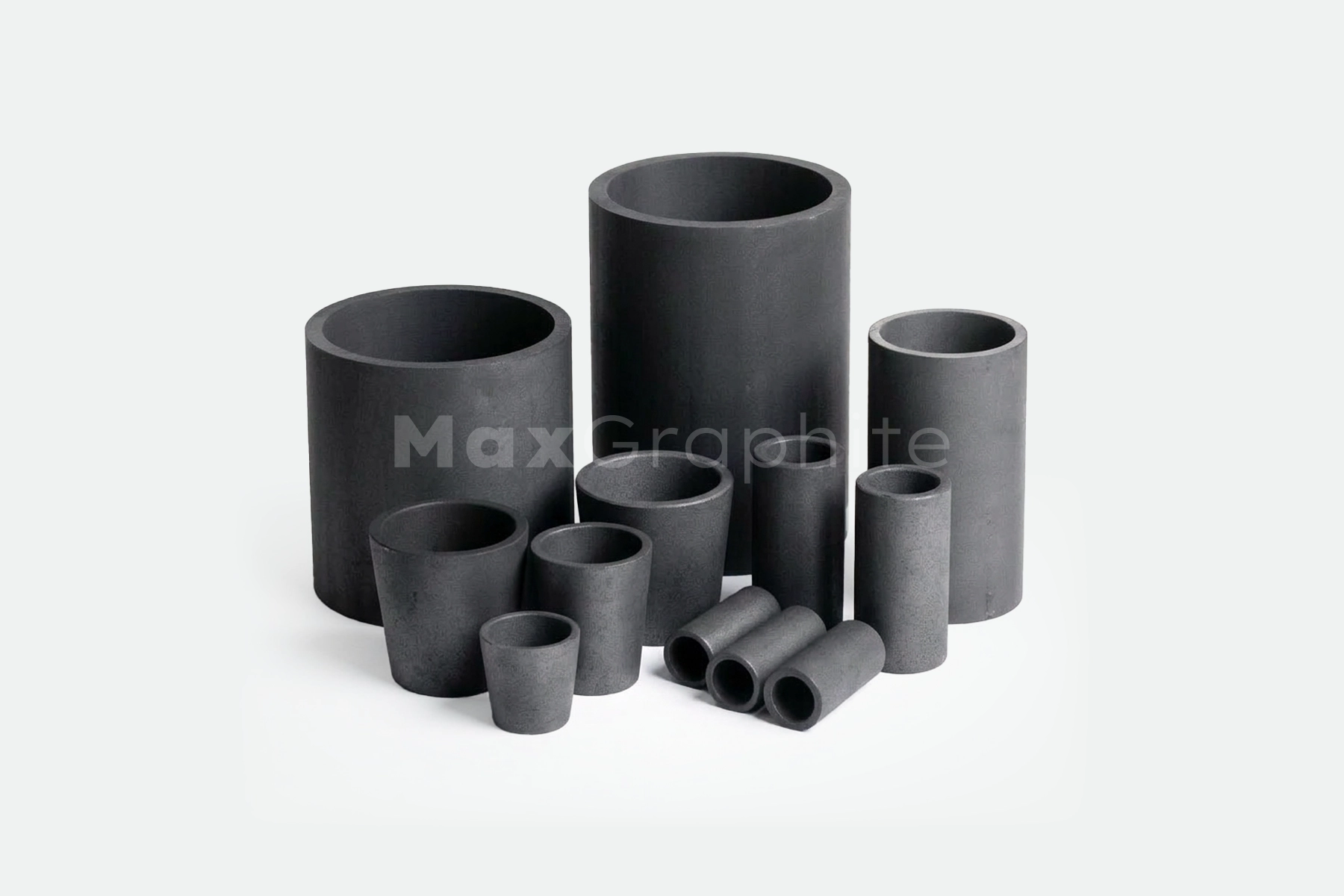
Graphite Crucibles

Graphite Plate
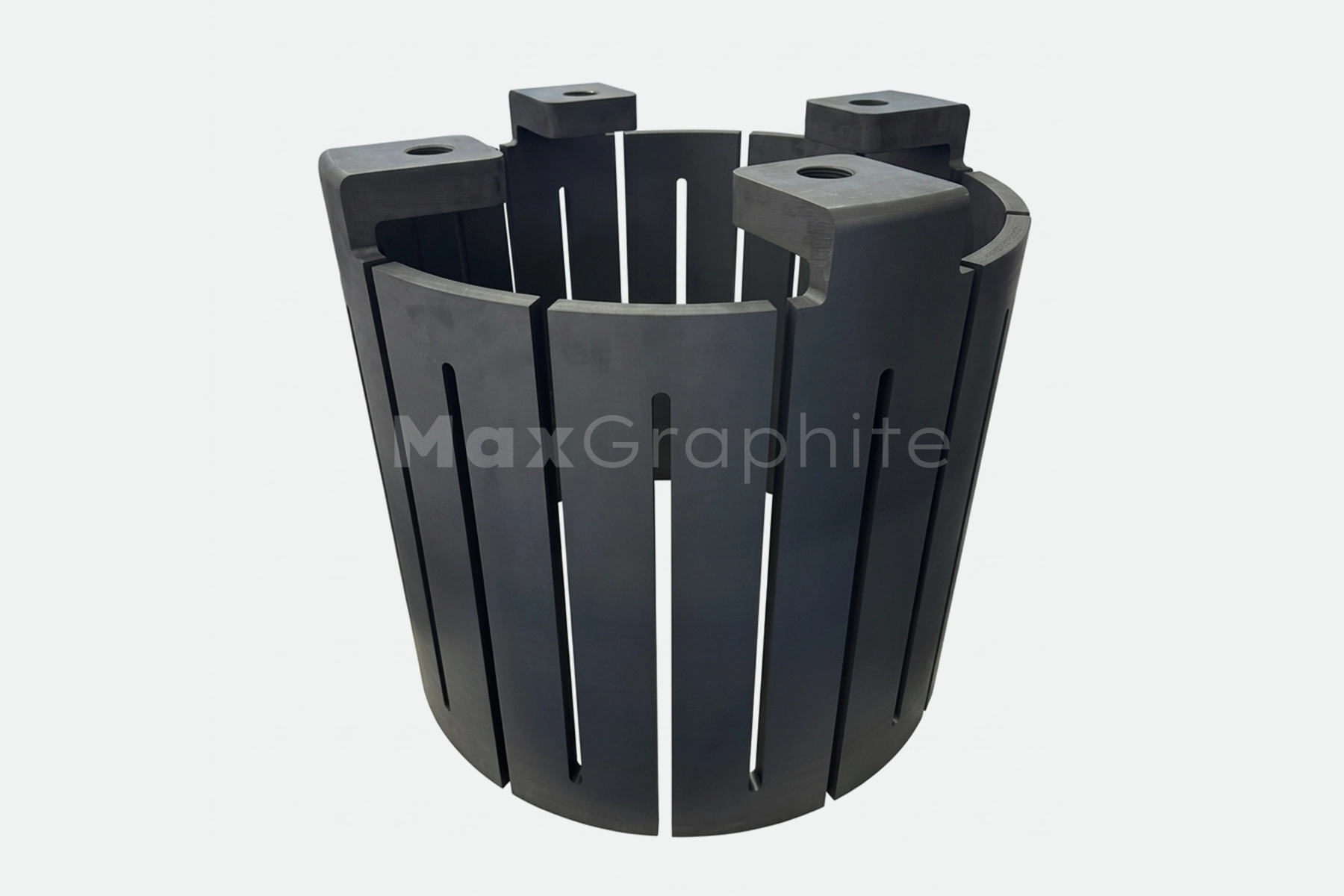
Graphite Heaters

Graphite Die Casting Molds
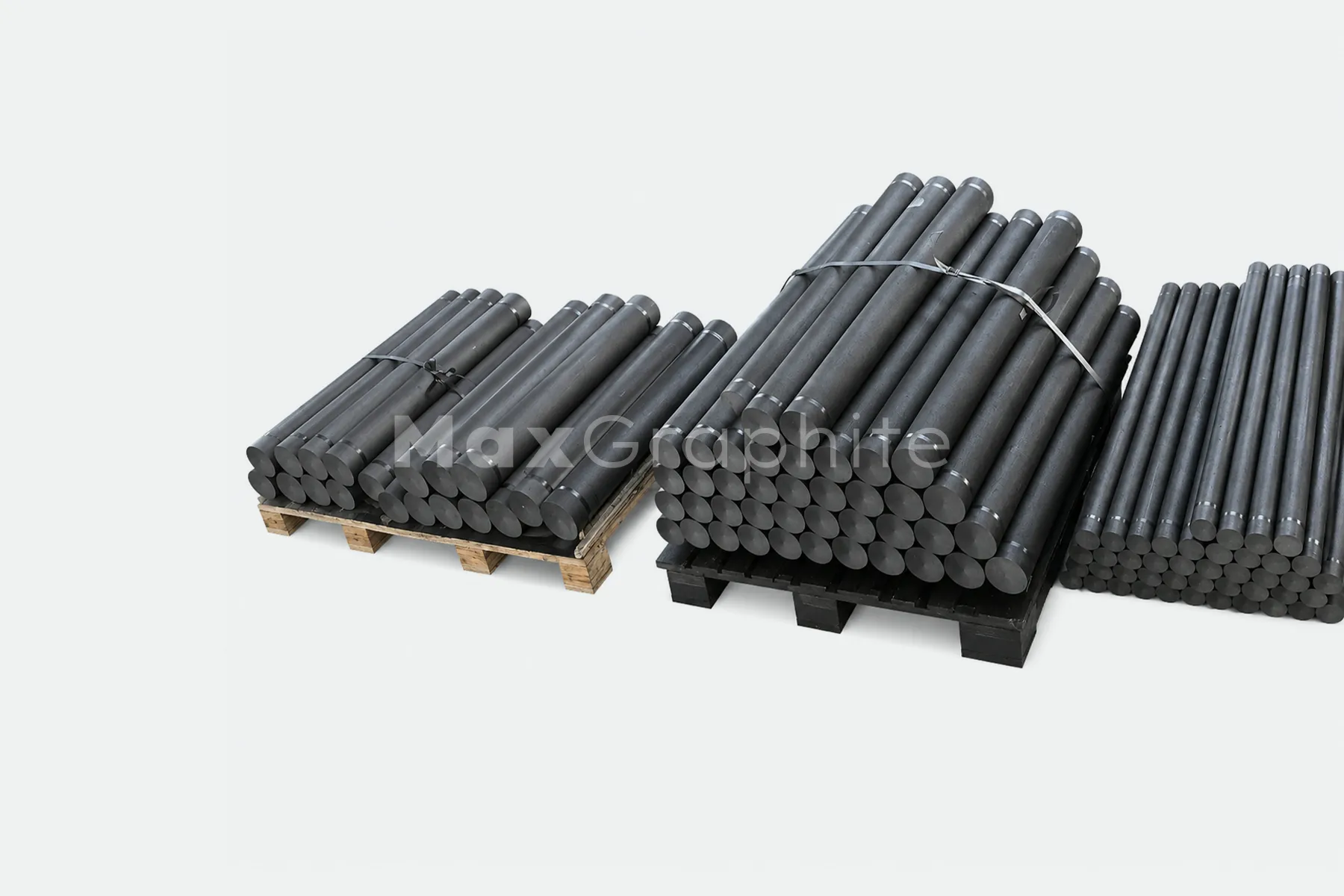
Graphite Rod
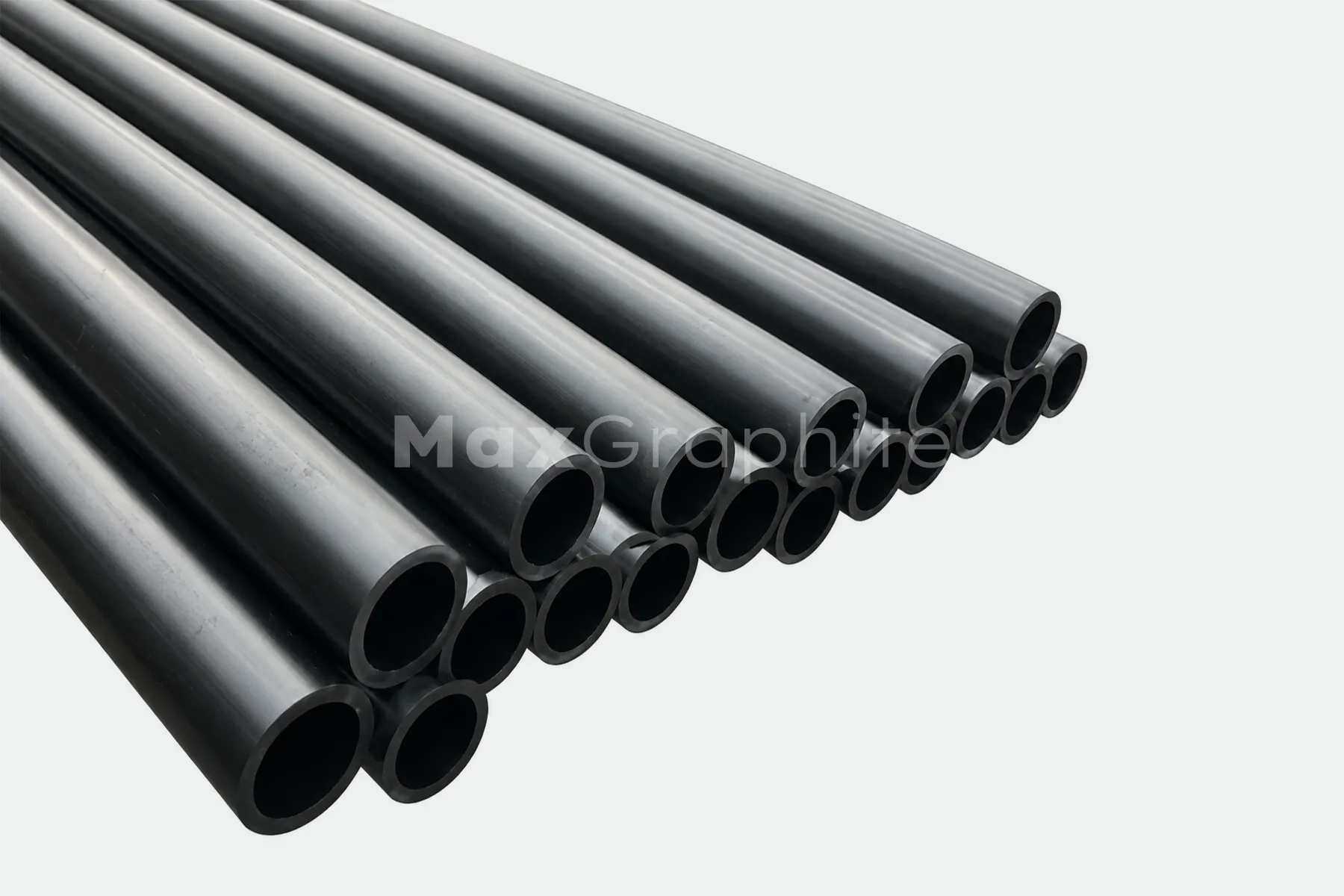
Graphite Tube