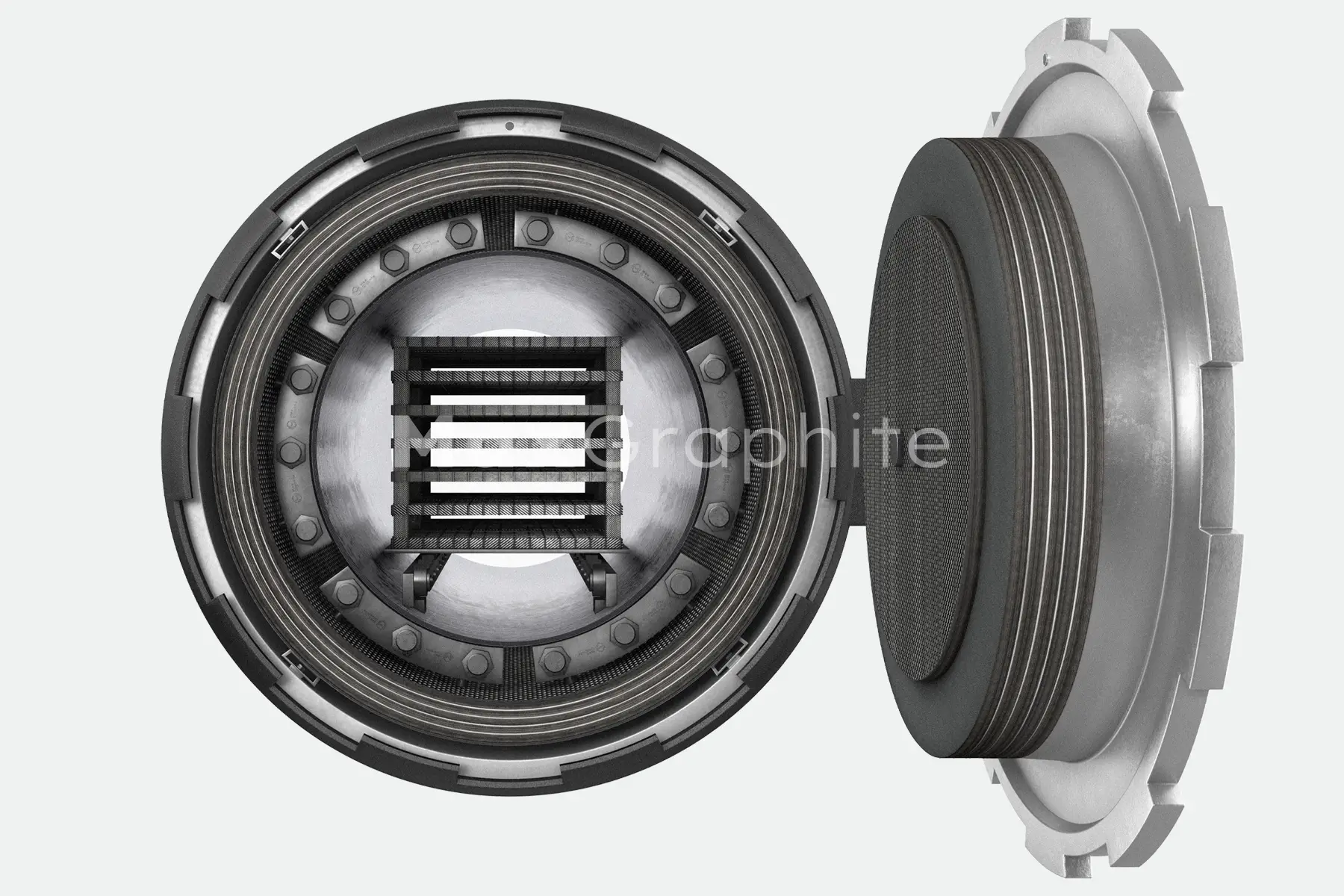
Challenges and Innovations in Anti-Ablation Coating Systems for Carbon–Carbon Composites
1. Complex Preparation Processes
Traditional coating systems require multiple steps including surface activation, interfacial layer formation, and multilayer chemical vapor deposition (CVD). Each stage demands precise control of parameters such as temperature, gas flow, and deposition rate. This complexity not only increases production difficulty but also raises the risk of inconsistency between batches.
Recent advances:
Modern plasma-enhanced CVD (PECVD) and slurry-based infiltration technologies have simplified processing by allowing more uniform deposition at lower temperatures—reducing structural stress and process time.
2. Extended Production Cycles
Conventional coating lines can take several days to complete due to repeated heating, cooling, and infiltration cycles. This slows throughput and limits industrial scalability.
Emerging solutions:
Automation and continuous-flow CVD systems are shortening cycle times by up to 40%. These systems integrate real-time monitoring and predictive analytics to maintain coating quality while accelerating production.
3. High Manufacturing Costs
Ablation-resistant coatings typically require expensive raw materials such as tantalum, hafnium, or zirconium compounds, as well as high-temperature processing environments. Combined, these factors drive up operational costs.
Industry direction:
New composite designs that combine less-expensive ceramics with nano-reinforced carbides are showing promise in maintaining protection performance while lowering cost. Life-cycle analysis and recycling programs for coated CFC components are also helping reduce total cost of ownership.
4. Precision Control and Repeatability
Achieving uniform thickness, adhesion strength, and interface compatibility across complex geometries remains a major difficulty. Even minor deviations can lead to localized cracking or delamination under thermal stress.
How Max Graphite approaches it:
We are investing in sensor-based process control, machine-learning-driven temperature feedback, and microstructure analysis. These innovations ensure that every coating meets the precise specifications required for demanding applications such as rocket nozzles, high-temperature fixtures, and semiconductor crucibles.
Let's talk
While the challenges in CFC anti-ablation coating systems are significant, the path forward is clear: process simplification, cost-effective materials, and intelligent control. At Max Graphite, our vision is to transform these challenges into opportunities—delivering high-performance carbon composites that push the limits of temperature, time, and precision.
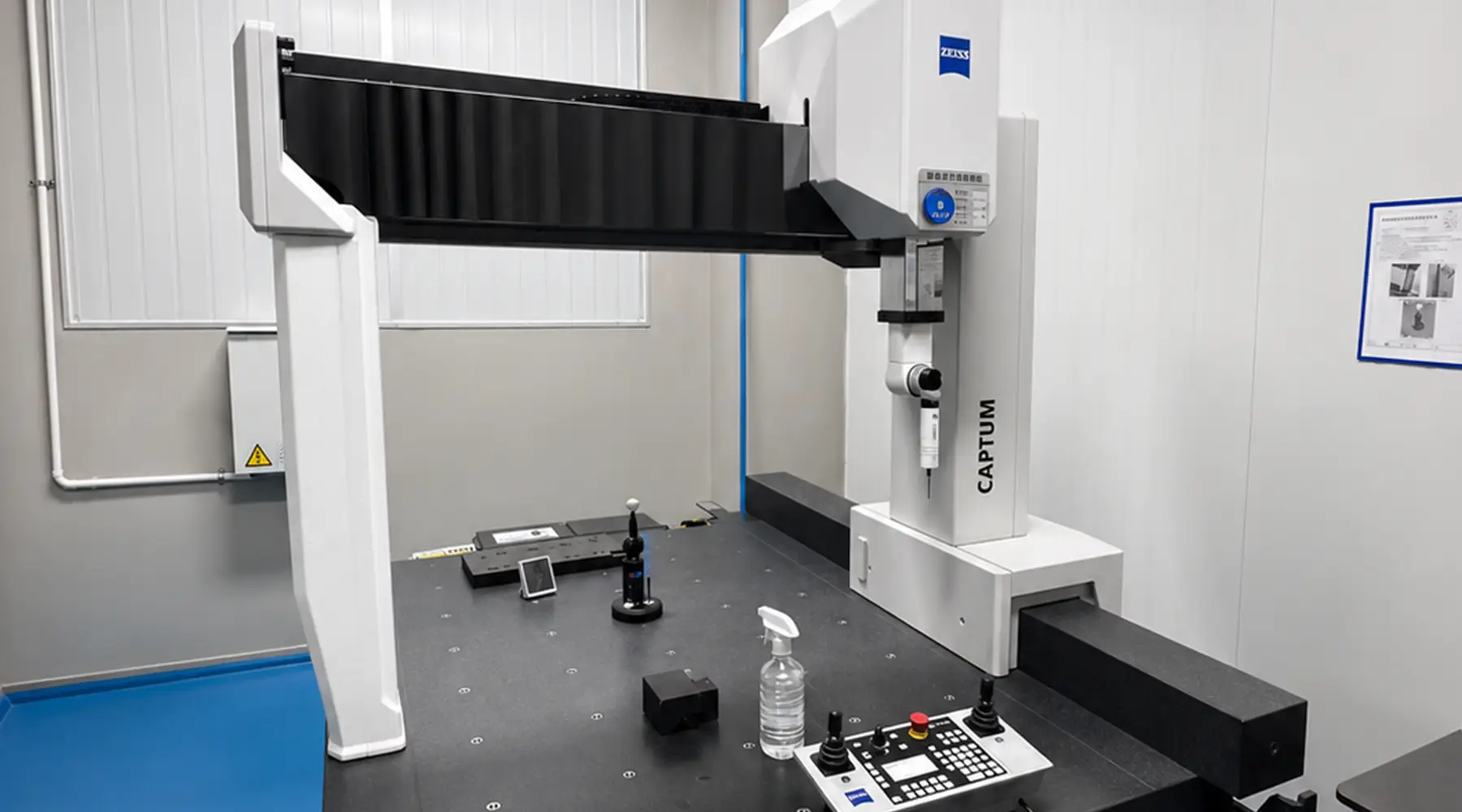
Why Dimensional Accuracy in Machined Graphite Components Matters — and How It's Verified
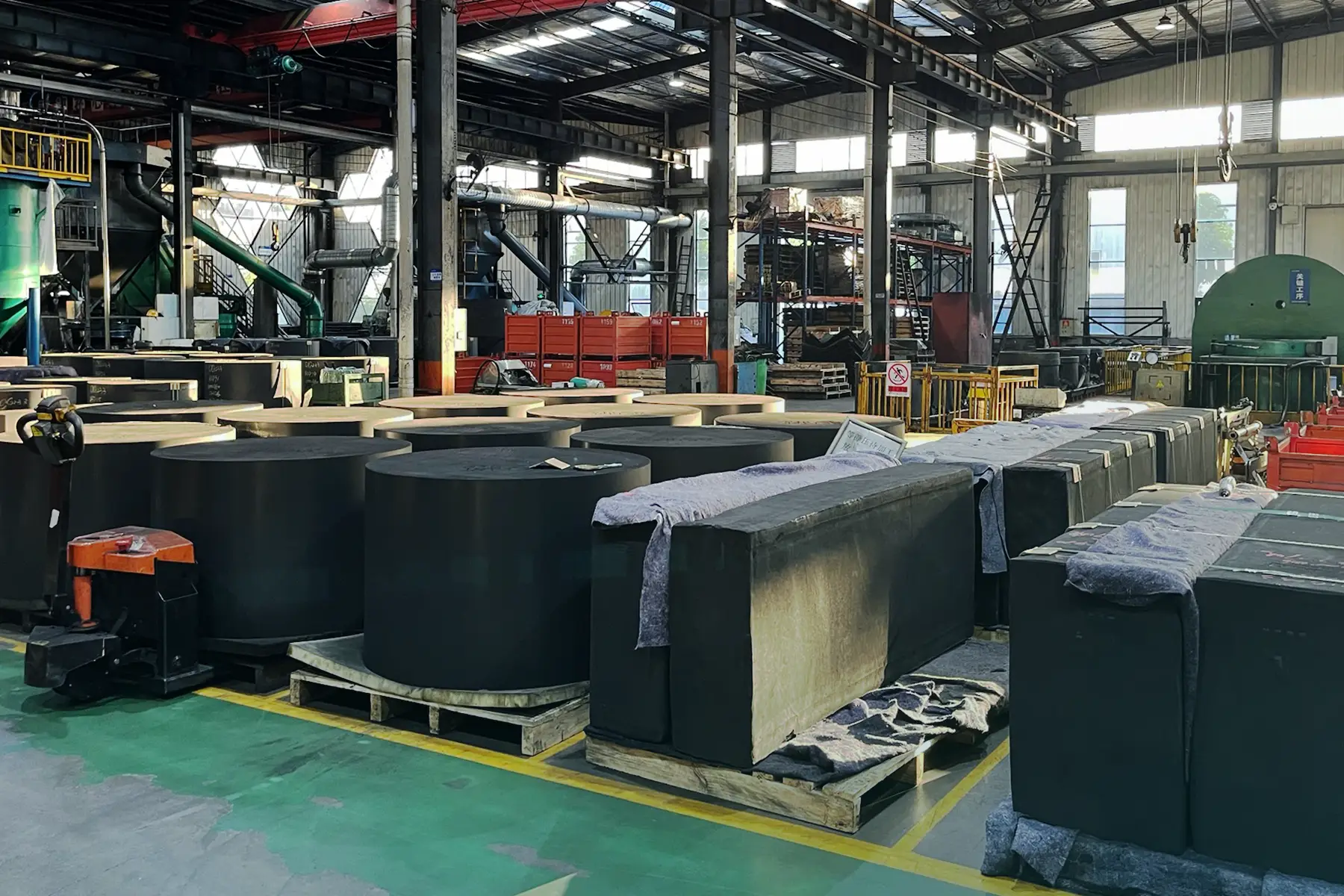
Max Graphite: Vertically Integrated Graphite Manufacturer in China