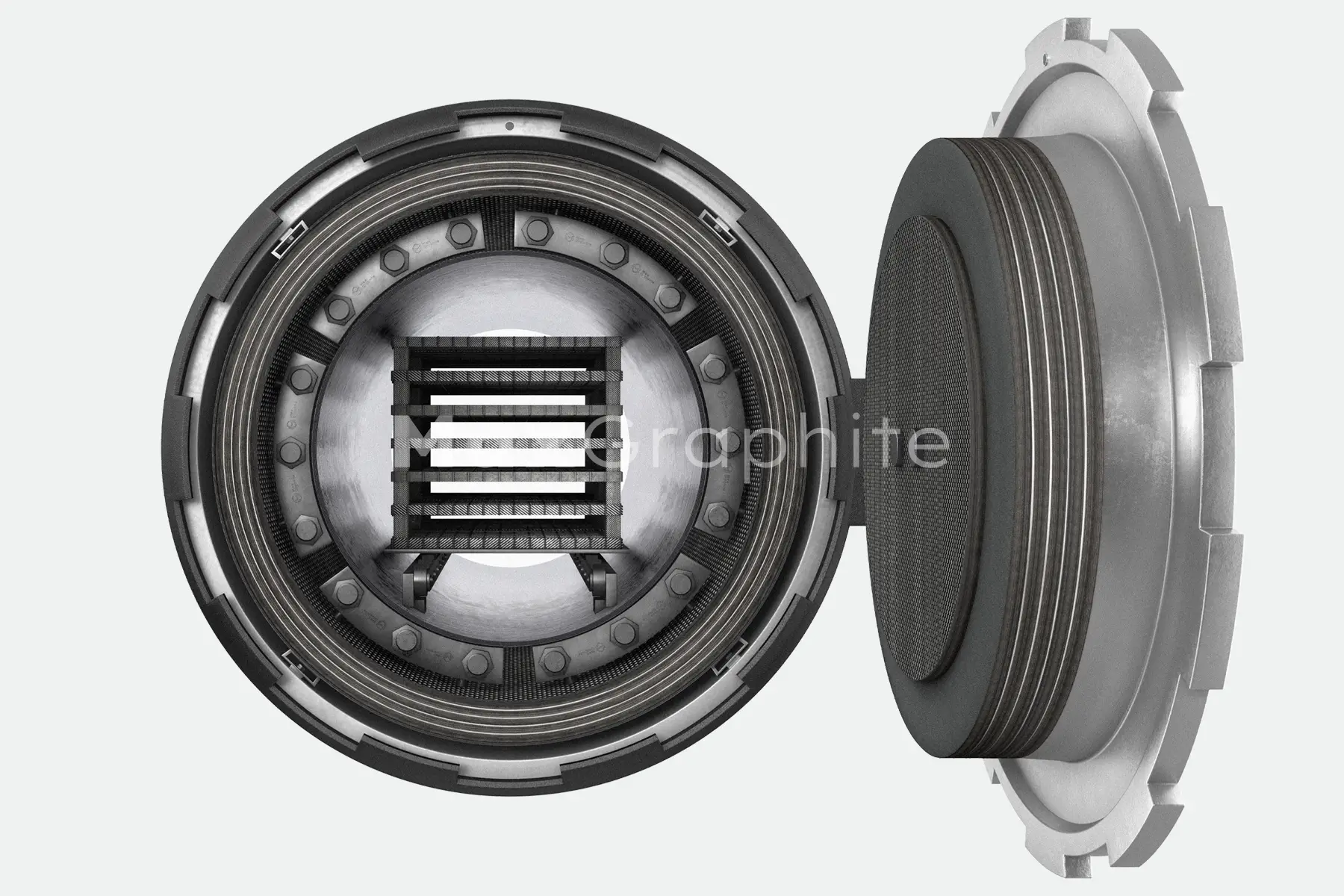
Enhancing Carbon–Carbon Composites with Advanced TaC Coatings
%20coatings.webp)
Why TaC?
Tantalum carbide is one of the hardest known refractory materials, boasting a melting point above 3,880 °C and outstanding chemical inertness. When applied to a carbon–carbon substrate, TaC forms a protective layer that significantly improves resistance to oxidation and material erosion, particularly in environments such as rocket nozzles, furnace linings, and plasma processing chambers.
CVD: Precision at the Molecular Level
Max Graphite employs chemical vapor deposition (CVD) to achieve a uniform, dense TaC coating on the CFC surface. This method allows atomic-level bonding and fine control over coating thickness—ensuring adhesion strength and structural stability that other techniques can’t match.
Reducing Thermal Stress with Transition Layers
One challenge in coating CFC substrates is managing thermal-stress mismatch between the carbon base and the ceramic layer. To address this, we introduce dual transition layers of C–SiC and C–TaC between the coating and substrate. This gradient structure effectively buffers thermal expansion differences, minimizing cracking and delamination during high-temperature cycling.
Applications Across Industries
- Aerospace: Rocket-engine liners, thermal shields, and nozzle throats
- Semiconductors: Protective components in high-temperature CVD and etching systems
- Metallurgy: Crucibles and heating elements for vacuum or inert-gas furnaces
Performance You Can Rely On
The result is a CFC composite that not only endures extreme heat but also maintains dimensional stability and surface integrity under repeated thermal shocks. For manufacturers demanding both lightness and longevity, this TaC-coated CFC technology represents a next-generation solution.
Let's talk
At Max Graphite, we continue to refine the interface between materials science and performance engineering—creating carbon-based solutions that thrive where others fail.
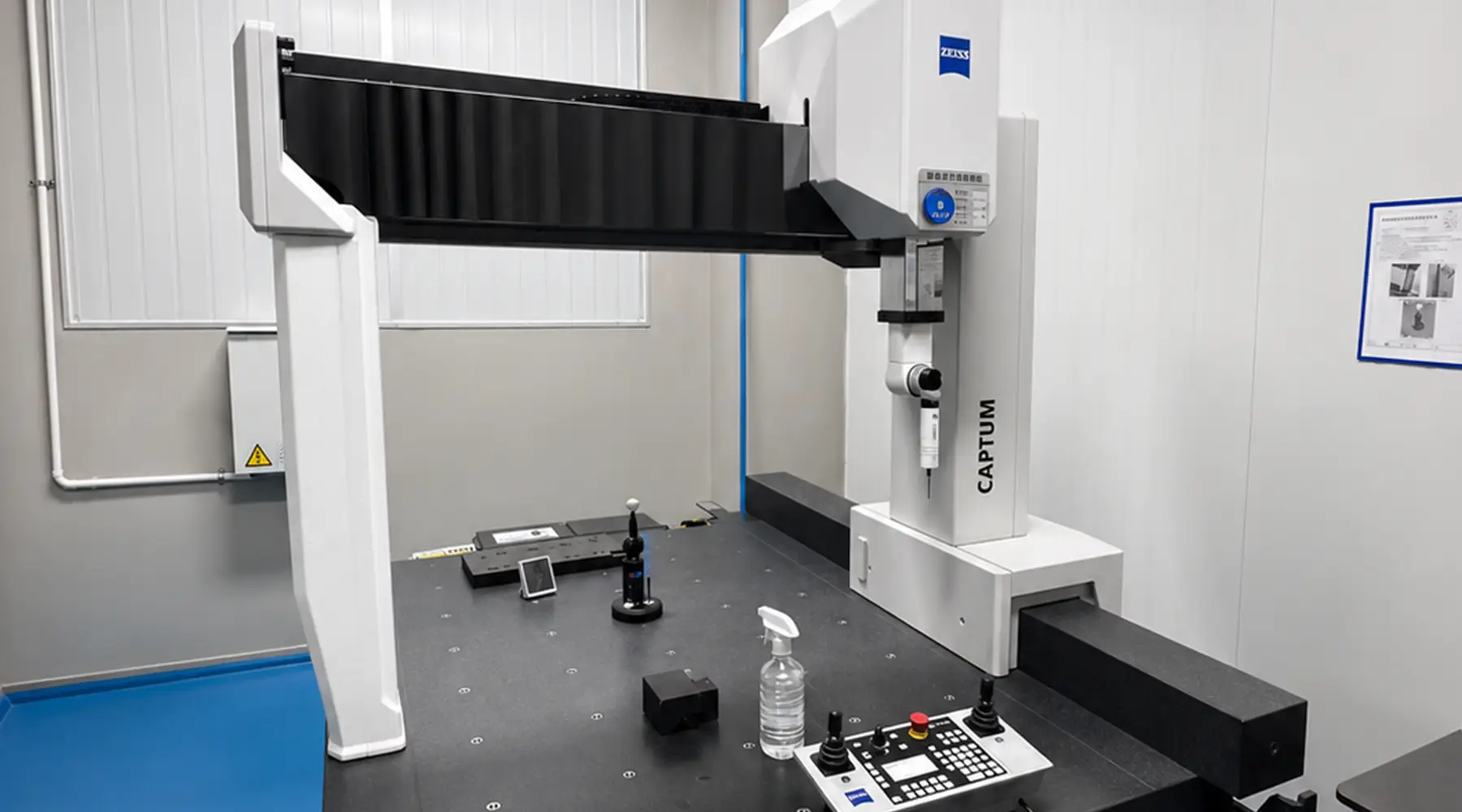
Why Dimensional Accuracy in Machined Graphite Components Matters — and How It's Verified
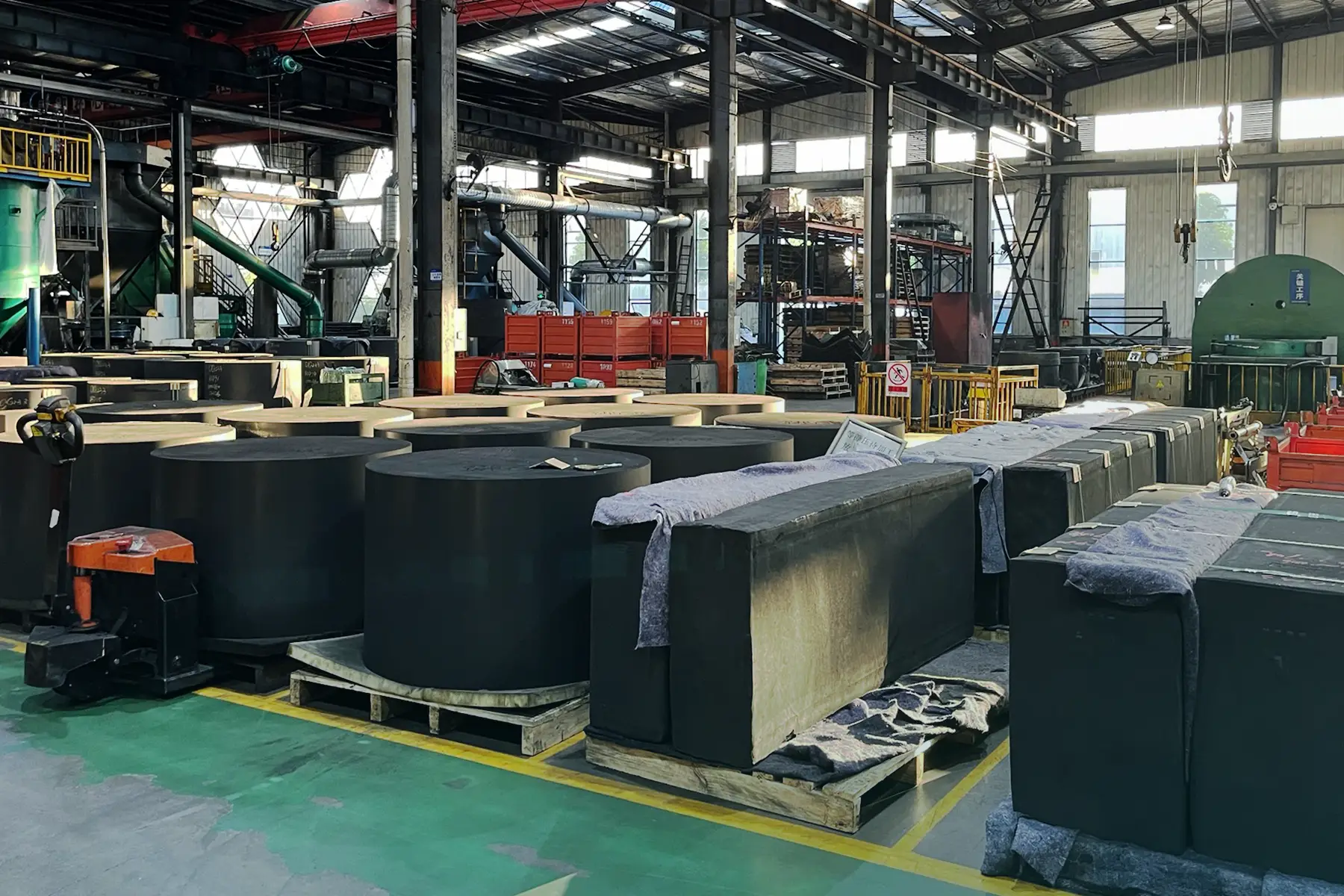
Max Graphite: Vertically Integrated Graphite Manufacturer in China