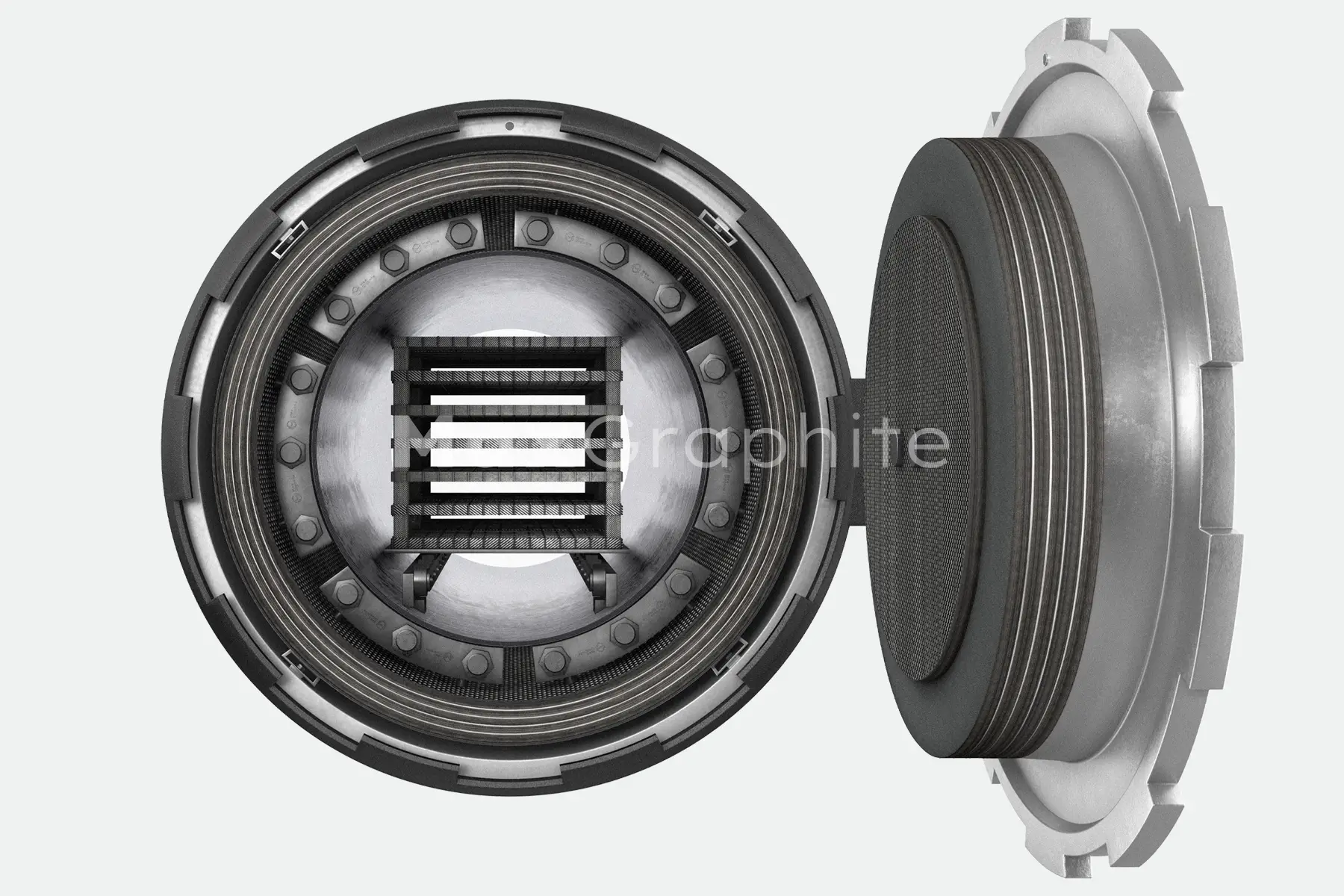
How SiC Coating Thickness Influences the Oxidation Resistance of Carbon–Carbon Composites

The Role of SiC in CFC Protection
CFCs are prized for their light weight and mechanical strength at elevated temperatures but are highly reactive to oxygen. A thin SiC coating forms a barrier that, when oxidized, generates a stable silica (SiO₂) layer—effectively sealing the surface and preventing further carbon oxidation.
However, the effectiveness of this barrier depends on both how the SiC layer is formed and its final thickness.
Effect of Preparation Temperature
The embedding temperature during SiC deposition (commonly achieved via chemical vapor deposition, or CVD) directly affects coating growth, density, and crystallinity.
- At lower temperatures (below ~1300 °C), SiC films tend to be thinner and less crystalline, resulting in micro-defects that reduce oxidation protection.
- At higher temperatures (1400–1600 °C), the coating thickens and becomes more uniform, leading to improved adhesion and oxidation resistance.
In controlled experiments, SiC coatings prepared at higher temperatures showed a significant increase in thickness and demonstrated enhanced protective performance under static air at 1500 °C.
Why Thickness Matters
A thicker SiC layer better withstands thermal cycling and microcracking but must remain well-bonded to the CFC substrate to avoid delamination. Research suggests an optimal range of 80–150 μm, depending on application and substrate structure. Beyond this, excessive thickness can introduce internal stresses, offsetting gains in durability.
The coating’s microstructure—fine-grained SiC with minimal porosity—is equally critical, as pores can become pathways for oxygen diffusion.
Applications and Industry Impact
This relationship between temperature, thickness, and oxidation performance is particularly valuable for:
- Aerospace components exposed to 1500–2000 °C.
- Semiconductor furnace fixtures requiring repeated high-heat cycles.
- High-temperature crucibles where oxidation control directly affects yield and lifespan.
By precisely tuning SiC coating parameters, manufacturers can achieve an ideal balance between protection, process cost, and coating longevity.
Let's talk
The correlation between preparation temperature and SiC coating thickness is a cornerstone of CFC surface engineering. Higher temperatures yield thicker, denser coatings—and consequently, stronger oxidation resistance at 1500 °C and beyond. At Max Graphite, we continually refine our CVD processes to deliver SiC-coated carbon composites that maintain structural integrity in the harshest operating conditions—setting a new benchmark for high-temperature reliability.
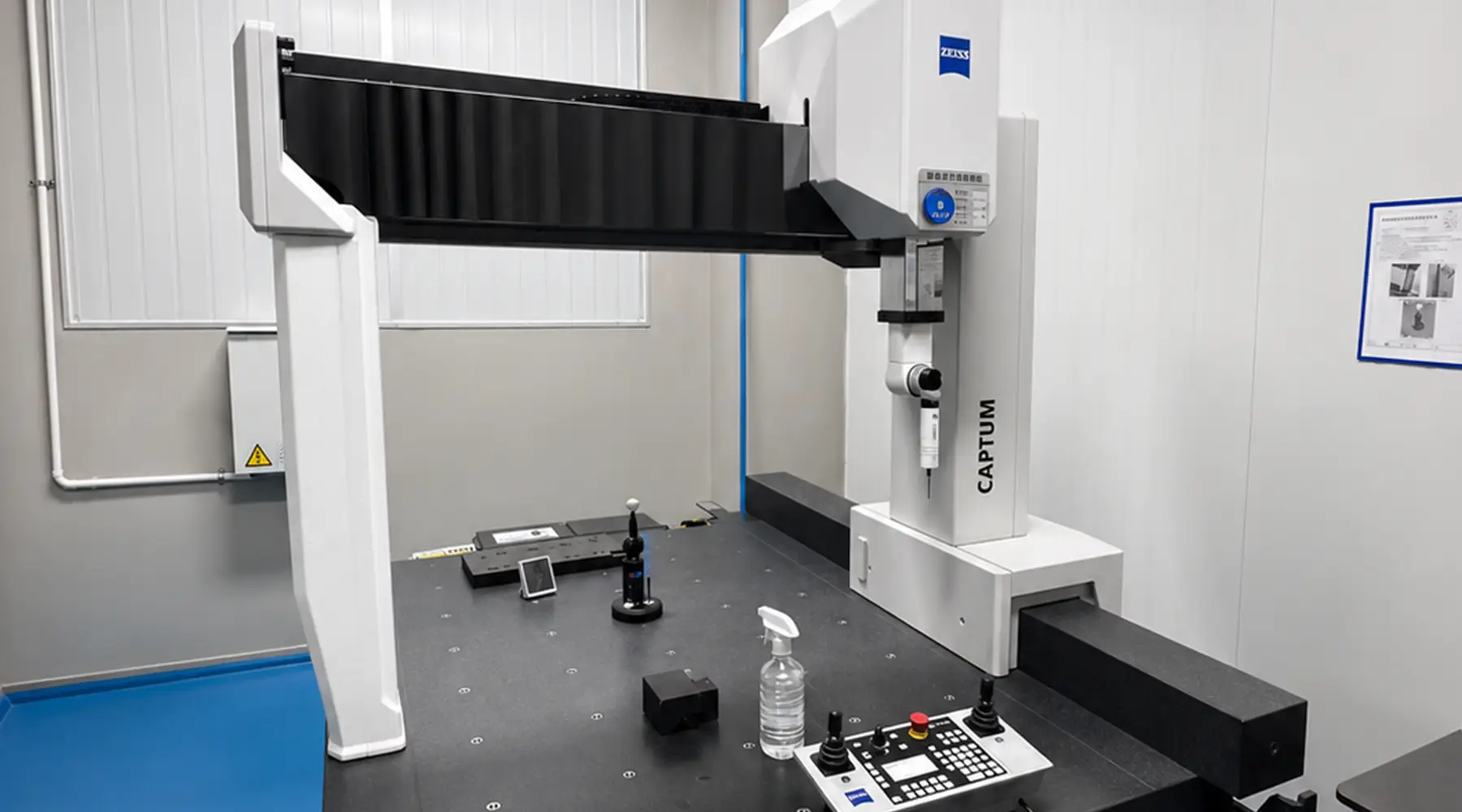
Why Dimensional Accuracy in Machined Graphite Components Matters — and How It's Verified
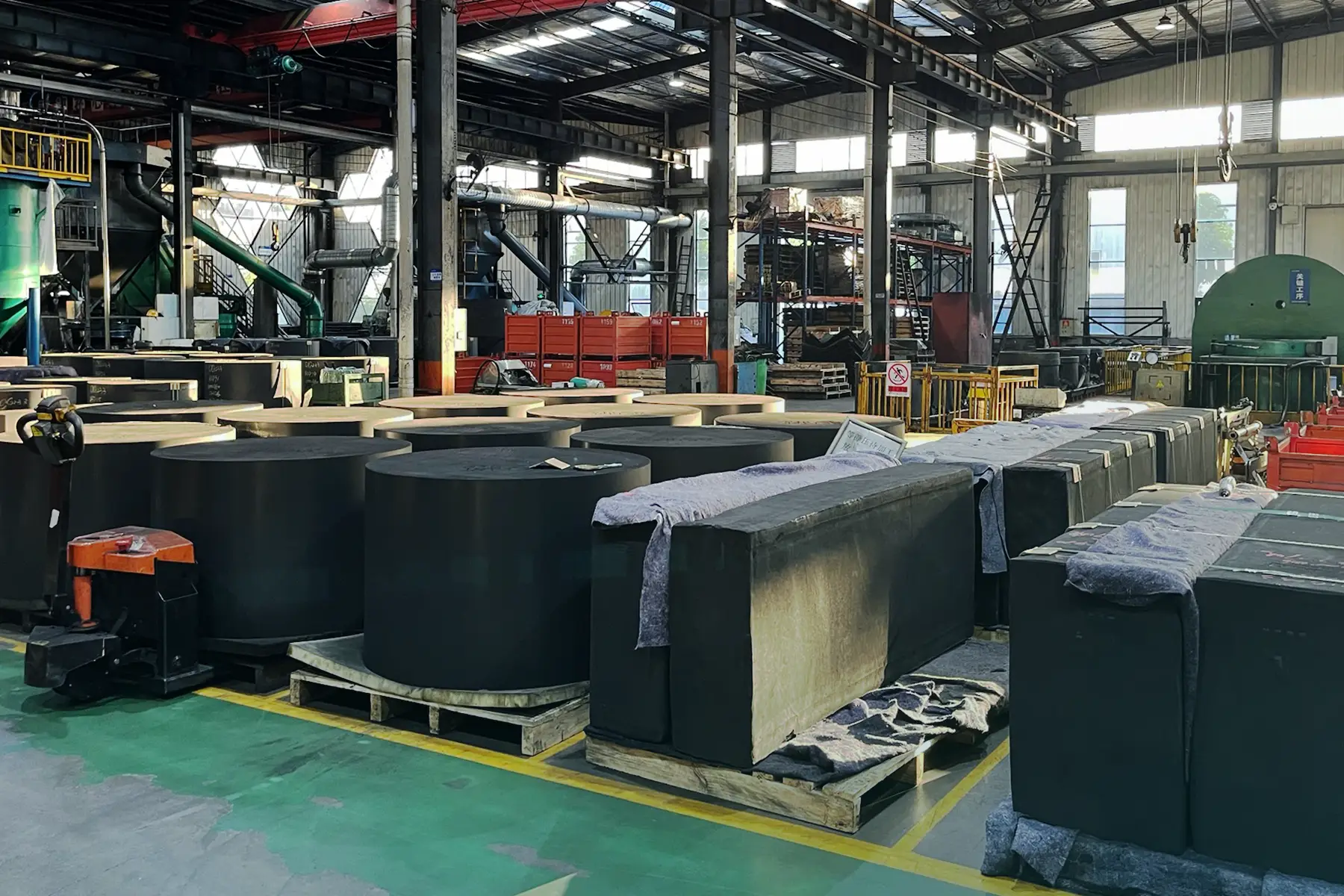
Max Graphite: Vertically Integrated Graphite Manufacturer in China