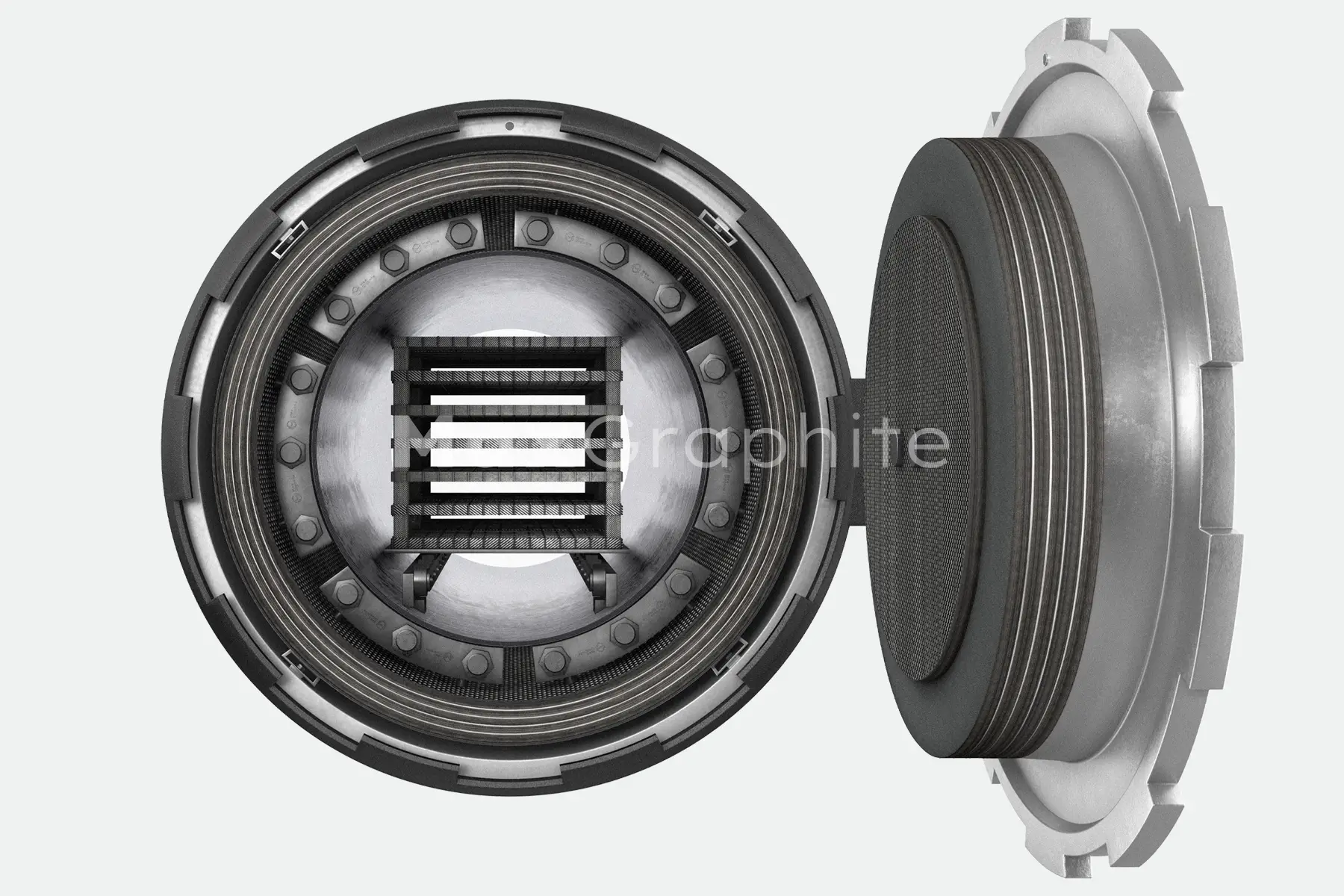
SiC–HfC Coatings: Advanced Thermal Protection for Carbon–Carbon Aerospace Structures

Why SiC–HfC?
Both silicon carbide (SiC) and hafnium carbide (HfC) are ultra-high-temperature ceramics with outstanding oxidation and ablation resistance. HfC, with a melting point exceeding 3,950 °C, is one of the most refractory materials known. SiC, on the other hand, forms a self-healing silica layer when oxidized, providing excellent chemical stability and serving as a thermal barrier.
By combining these materials into a multilayer structure, engineers can exploit their complementary properties—SiC’s oxidation resistance and HfC’s ultra-high-temperature endurance.
Aerospace Applications
The SiC–HfC composite coating has been successfully implemented on CFC-based high-speed aircraft, including leading-edge surfaces that experience the most intense aerodynamic heating.
Notable application areas include:
- Nose leading edges: where temperatures can exceed 2,000 °C during re-entry or high-Mach flight.
- Horizontal tail sections: requiring both thermal stability and structural stiffness.
- Control surfaces and flaps: which benefit from reduced oxidation and erosion over multiple flight cycles.
Multilayer Structure for Maximum Performance
The coating typically consists of alternating layers of SiC and HfC, deposited via chemical vapor deposition (CVD) or plasma-assisted techniques.
- The SiC layer serves as an oxygen diffusion barrier.
- The HfC layer withstands peak thermal loads.
- The interfacial design between CFC and coating reduces stress gradients, preventing cracks during thermal expansion.
Recent studies and aerospace trials have shown that these multilayer coatings maintain structural integrity after repeated heating to above 2,500 °C—making them ideal candidates for reusable thermal protection systems (TPS).
Beyond Aerospace
While aerospace remains the most visible application, SiC–HfC coatings are also being investigated for next-generation rocket engines, hypersonic wind tunnel components, and high-temperature industrial furnaces, where both oxidation control and structural endurance are critical.
Let's talk
The SiC–HfC multilayer coating system marks a significant step forward in CFC surface engineering. By merging two of the world’s most resilient ceramics, this technology enables lighter, longer-lasting, and more thermally stable carbon–carbon structures—propelling aerospace materials toward the future of hypersonic flight. At Max Graphite, we continue to explore these advanced material interfaces to help engineers push the limits of performance and safety.
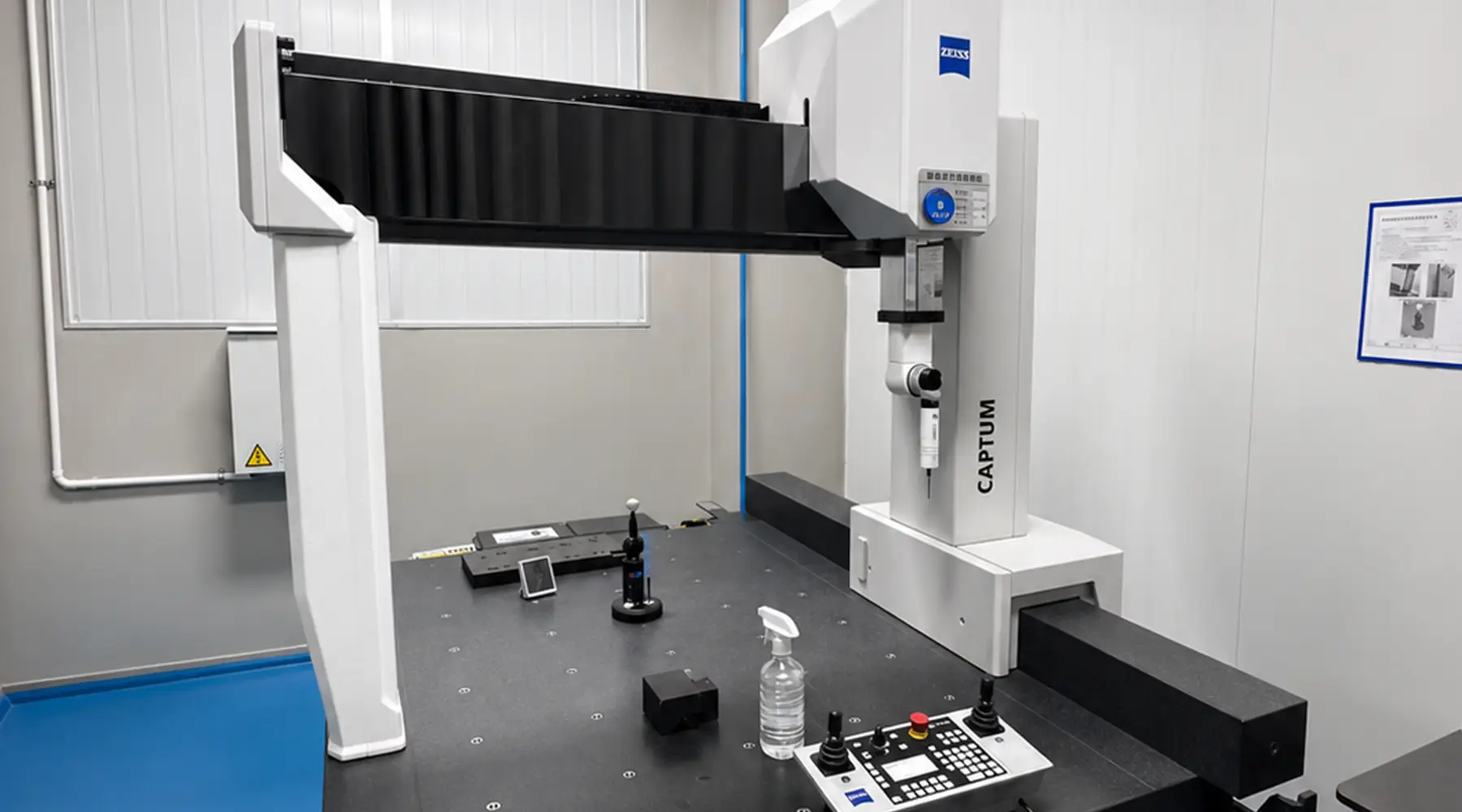
Why Dimensional Accuracy in Machined Graphite Components Matters — and How It's Verified
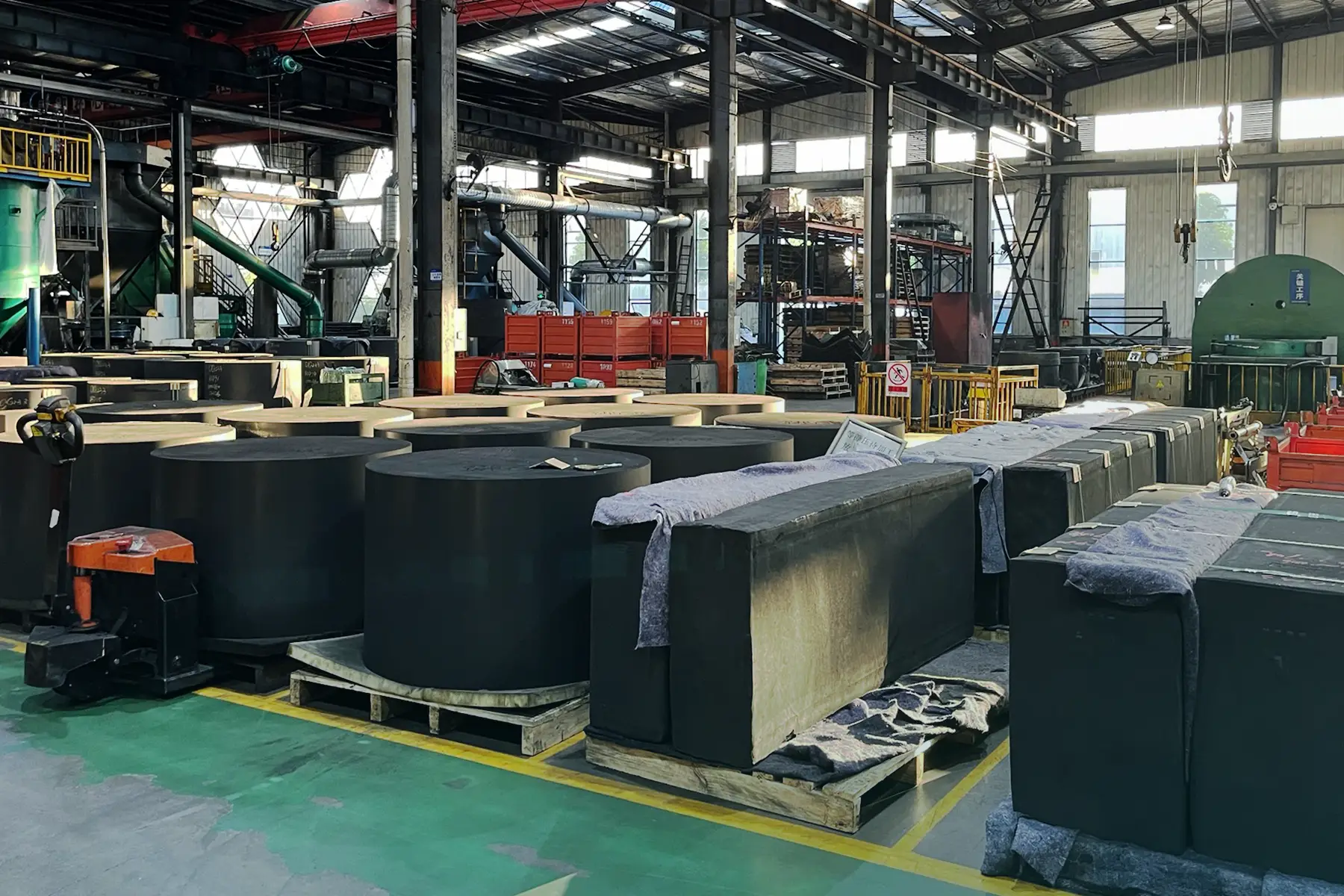
Max Graphite: Vertically Integrated Graphite Manufacturer in China