Max Graphite: Vertically Integrated Graphite Manufacturer in China
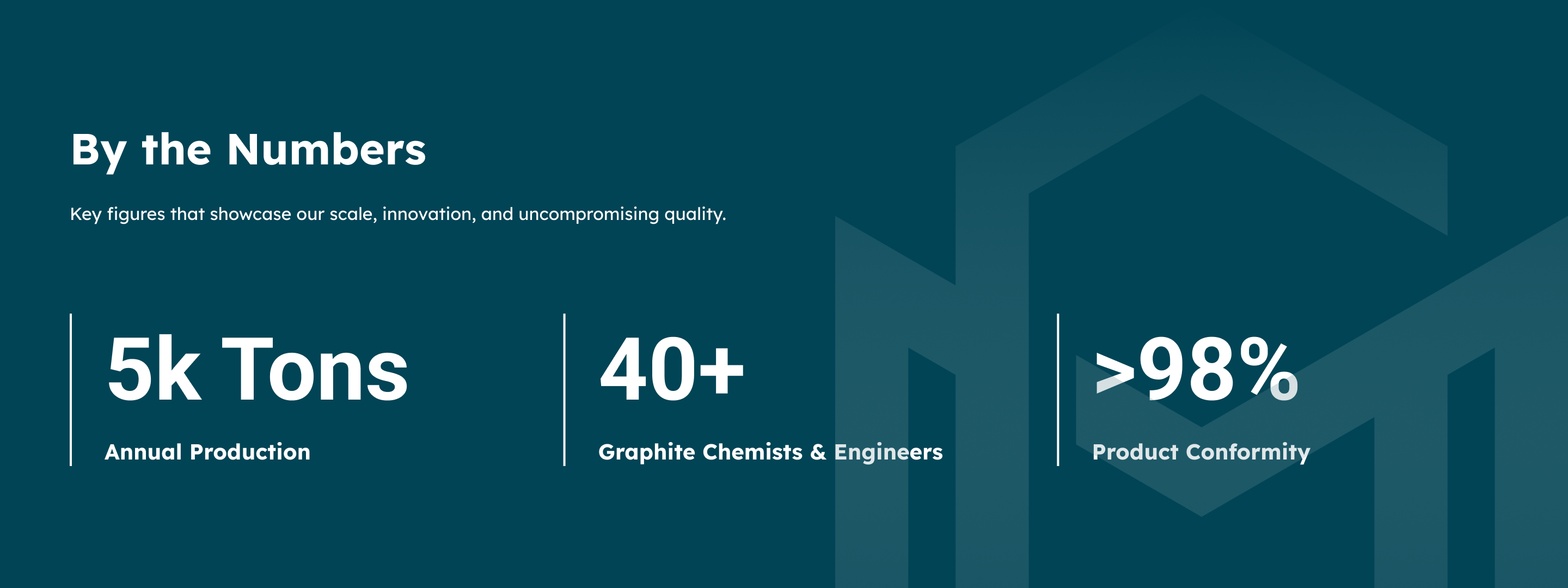
50,000 MT Annual Production Capacity
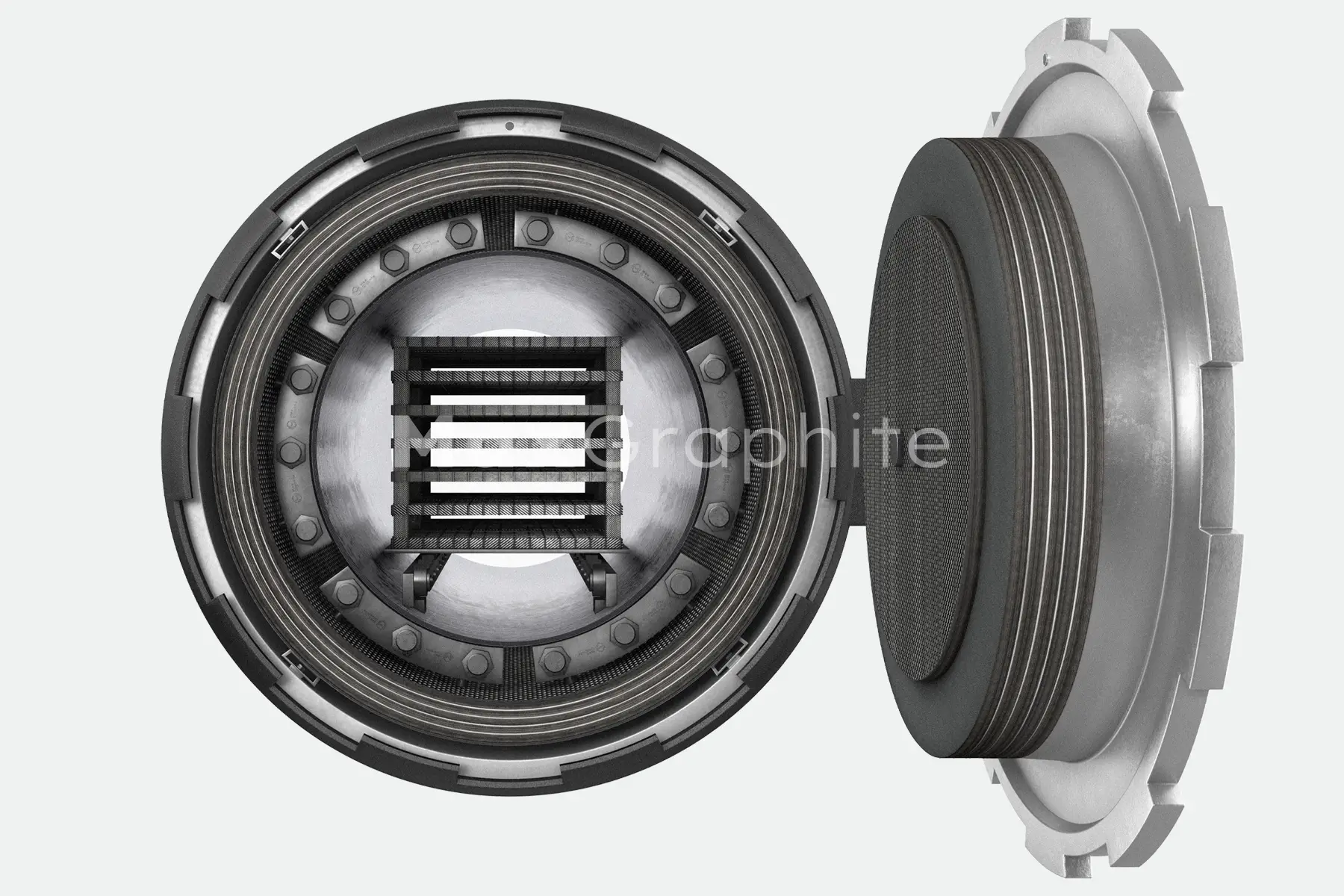
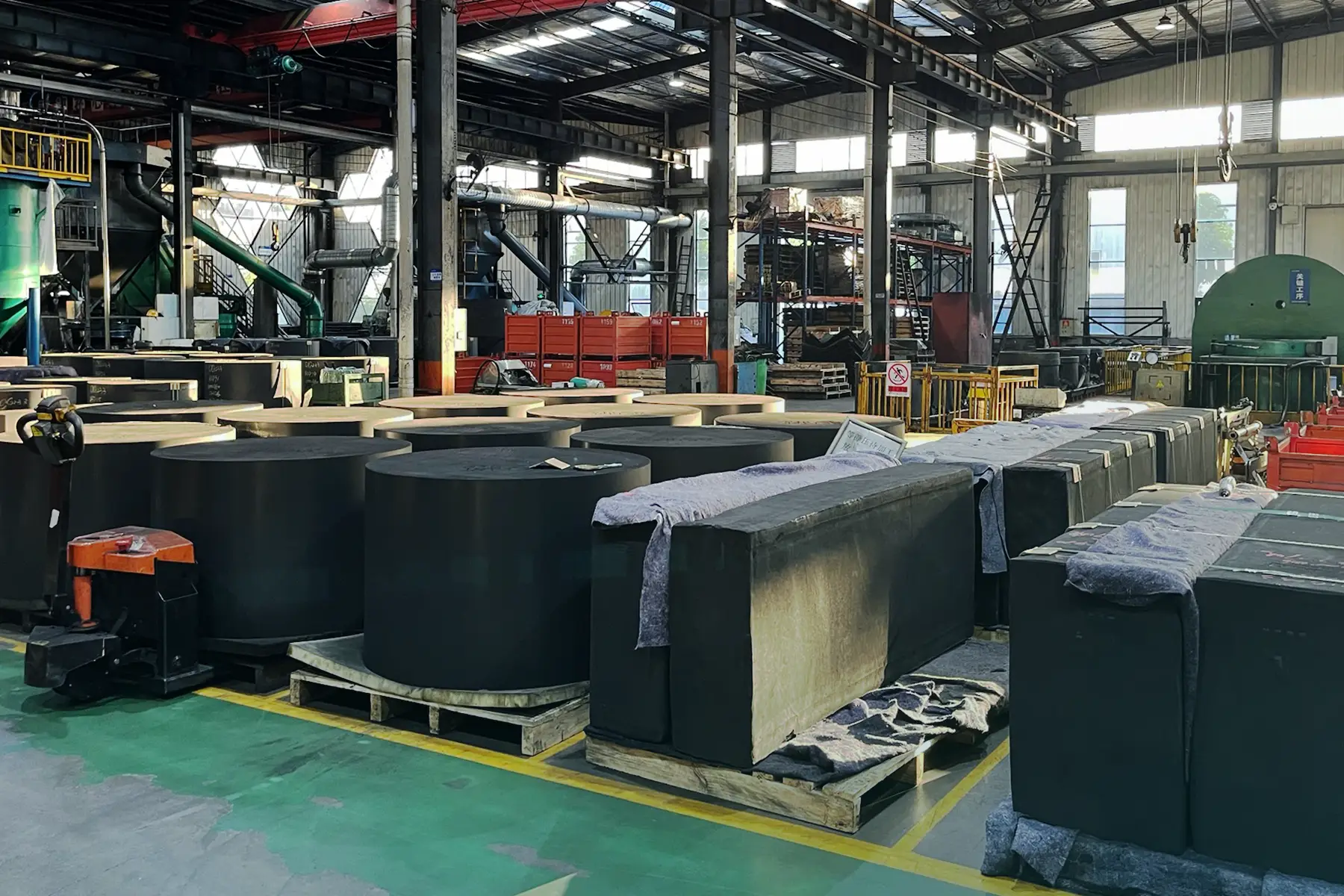
Max Graphite operates at 50,000 MT of annual production capacity. That figure reflects dedicated manufacturing infrastructure — graphitization furnaces, machining centers, felt production lines, and CFC fabrication equipment — not a combination of owned and subcontracted output.
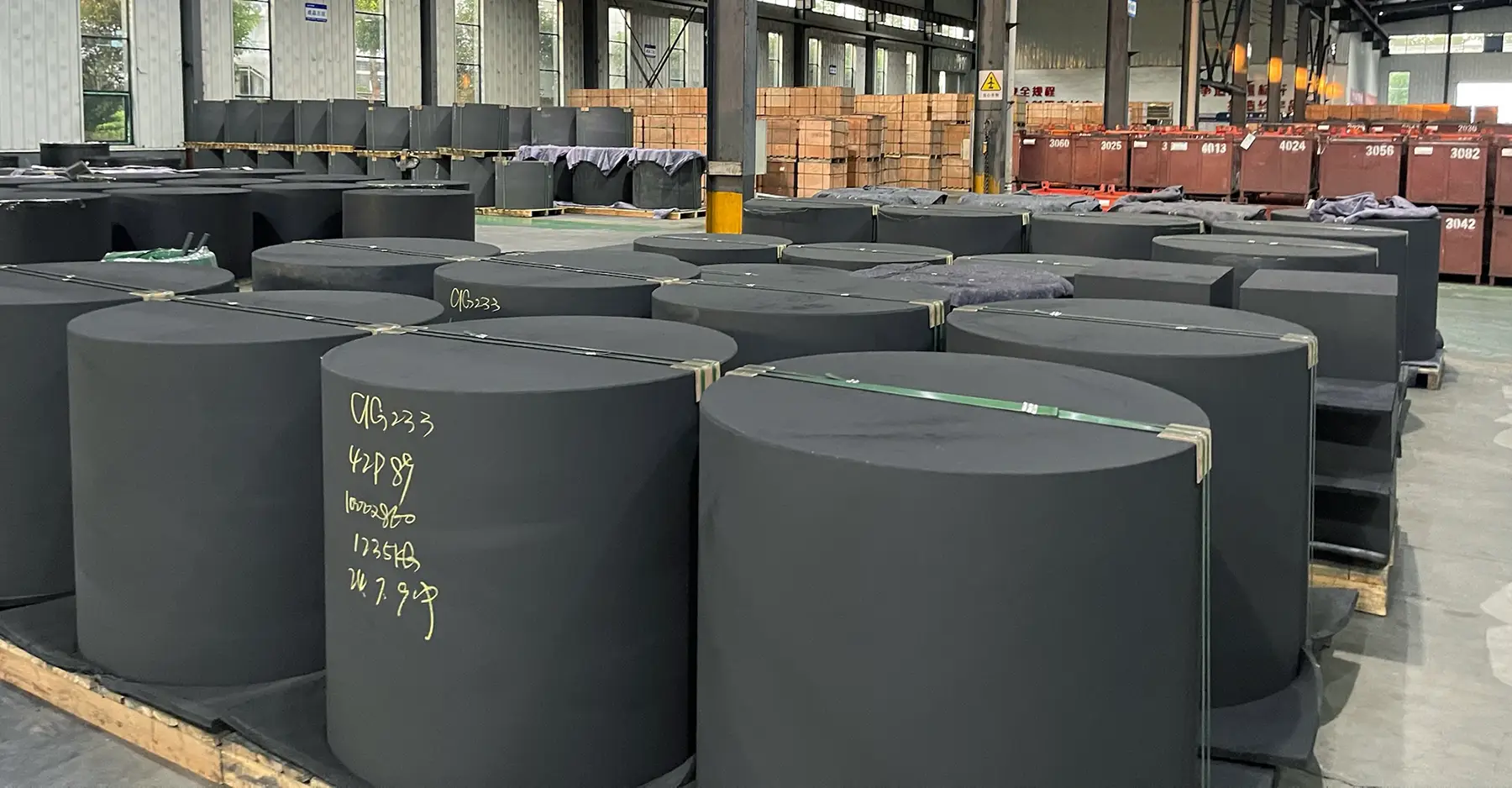
At that volume, we maintain finished-goods inventory across multiple grades, absorb demand variation from multiple customers simultaneously, and respond to short-notice orders without disrupting scheduled production runs. For procurement teams managing supply reliability across long-running programs, that operational depth matters more than headline capacity numbers alone.
A Team of experienced Graphite Chemists and Engineers, Working In-House
Max Graphite currently has 46 graphite chemists and engineers. All are in-house — supporting process control, product development, quality assurance, and custom fabrication across our three product lines.
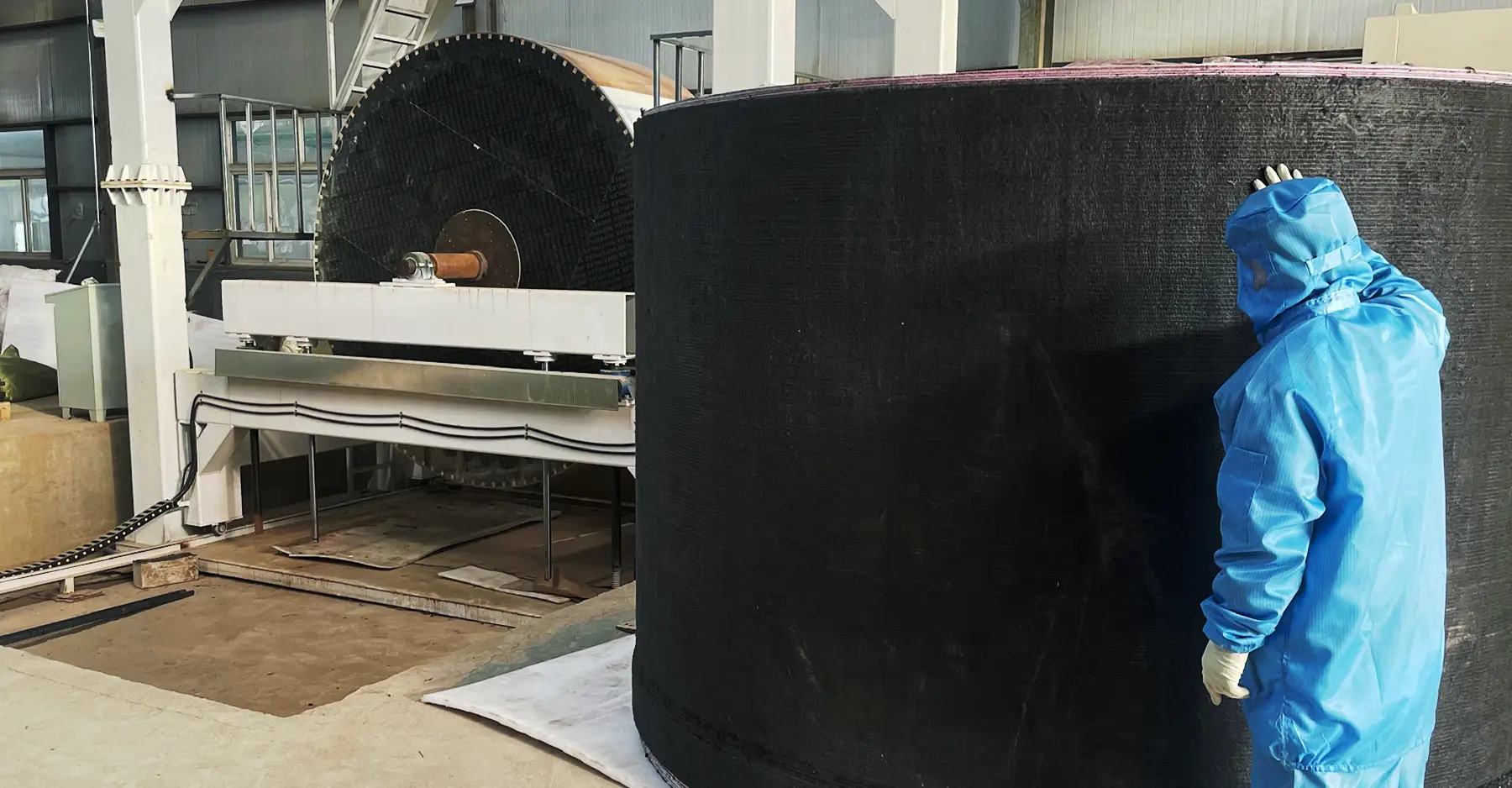
That staffing level means that technical conversations with customers — about grade selection, dimensional tolerances, ash content specifications, fiber architecture for CFC components — are handled by people who work directly with the process and the equipment. There is no intermediary between the buyer's specification and the team that produces to it.
It also means that non-standard requests have a pathway. Custom graphite grades, felt with tightened purity targets, CFC components machined to drawing — these are handled by the same engineering team that runs our standard production lines, not routed to an external fabricator.
Graphite Materials: Isostatic, Molded, Vibrated and Extruded
Max Graphite manufactures graphite across demanding production methods: isostatic pressing, molding, vibration and extrusion. Each produces material with a distinct property profile. Isostatic graphite — fine-grain, high-density, uniform in all directions — covers EDM electrodes, semiconductor components, continuous casting dies, and high-precision machined parts. Molded and extruded grades serve heat treatment, metallurgical, and chemical processing applications where cost and geometry are the primary selection criteria.
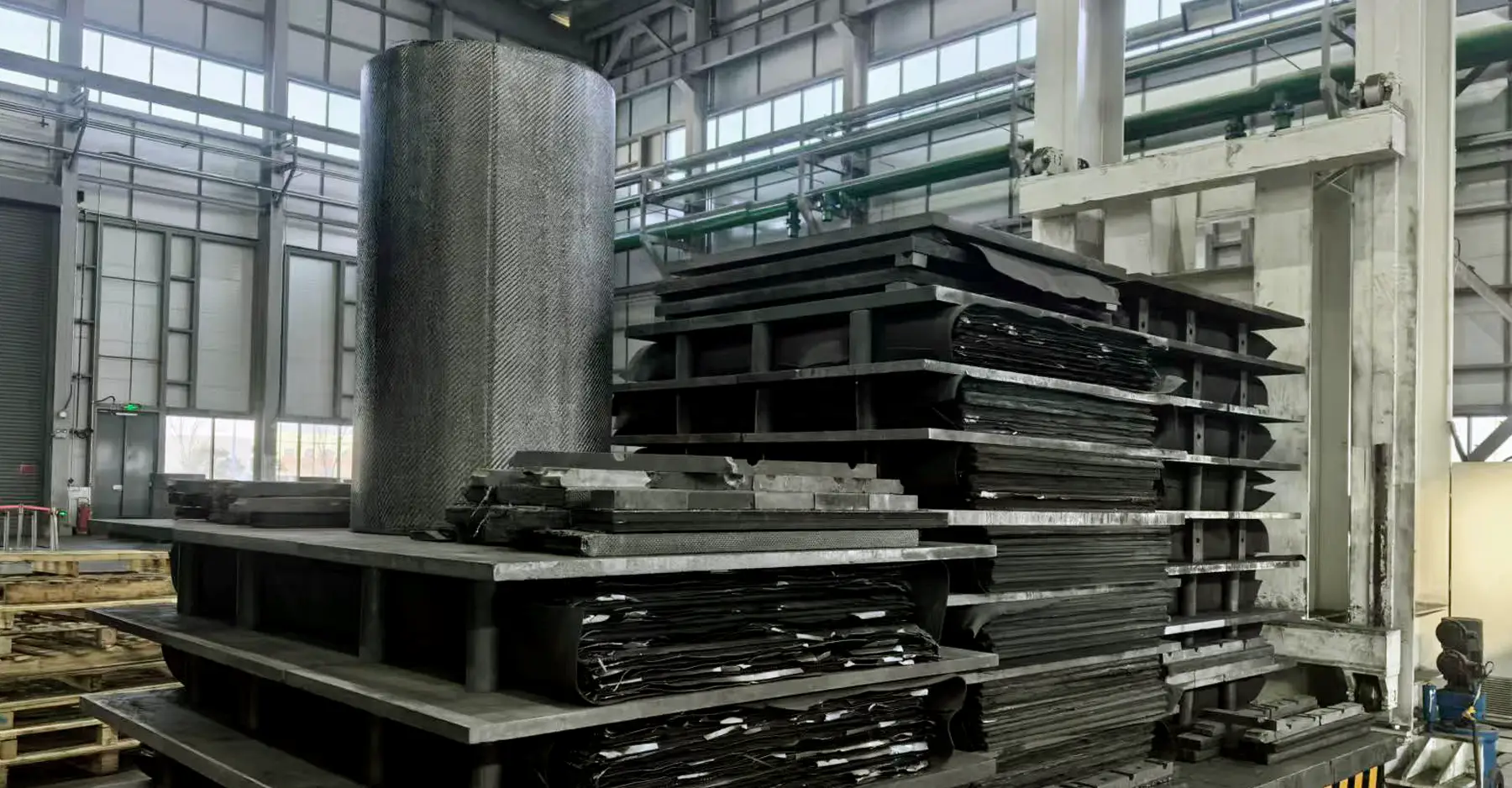
Across all methods, machining is performed in-house. Tolerances, surface finish, and final geometry are controlled by our own team, not by a third-party machine shop. Buyers receive components that have been inspected against specification before shipment.
Graphite Felt: Soft and Rigid Grades for Thermal Insulation
Max Graphite manufactures both soft and rigid graphite felt. Soft felt is used as flexible blanket insulation in vacuum furnace hot zones. Rigid felt — binder-stabilized and dimensionally stable under load — is used in structural insulation applications: furnace doors, cylinder inserts, and loading fixtures where the insulation carries mechanical as well as thermal demands.
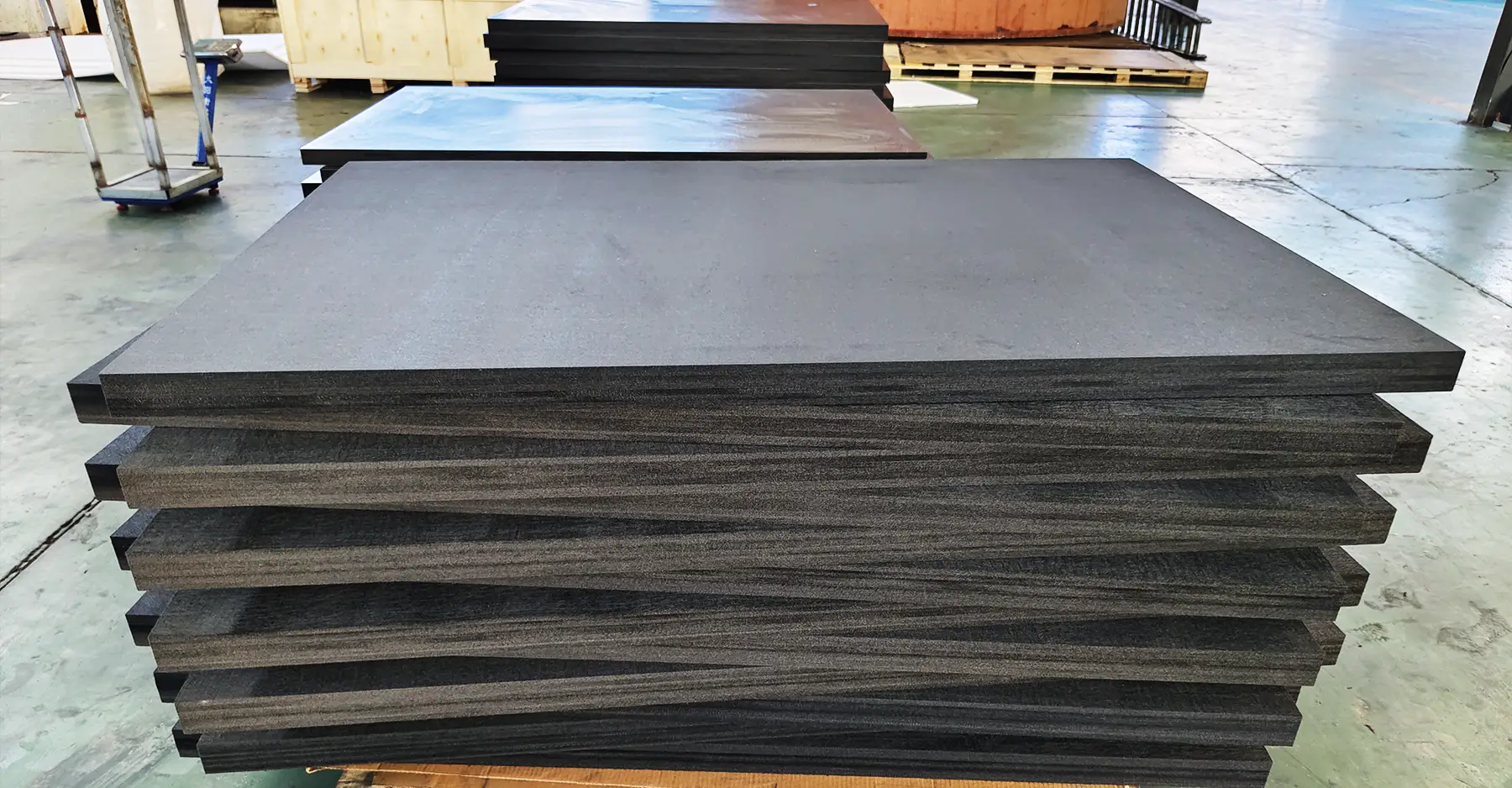
For semiconductor applications — SiC epitaxy, silicon crystal growth — we produce felt to ash content specifications suited to high-purity process environments. Carbonization and purification are controlled in-house. Ash content certificates are available on request. Buyers sourcing felt for contamination-sensitive applications should confirm that their supplier owns the purification step, not only the felt-forming step.
Carbon-Carbon Composites: 2D, 2.5D, 3D and 4D CFC Components
Max Graphite produces 2D, 2.5D, 3D, and 4D carbon-carbon composite (CFC) components for high-temperature structural applications — furnace fixtures, pusher plates, heating elements, and structural parts used in vacuum heat treatment equipment. CFC manufacture and custom machining are handled entirely in-house, by the same engineering team that supports our graphite and felt product lines.
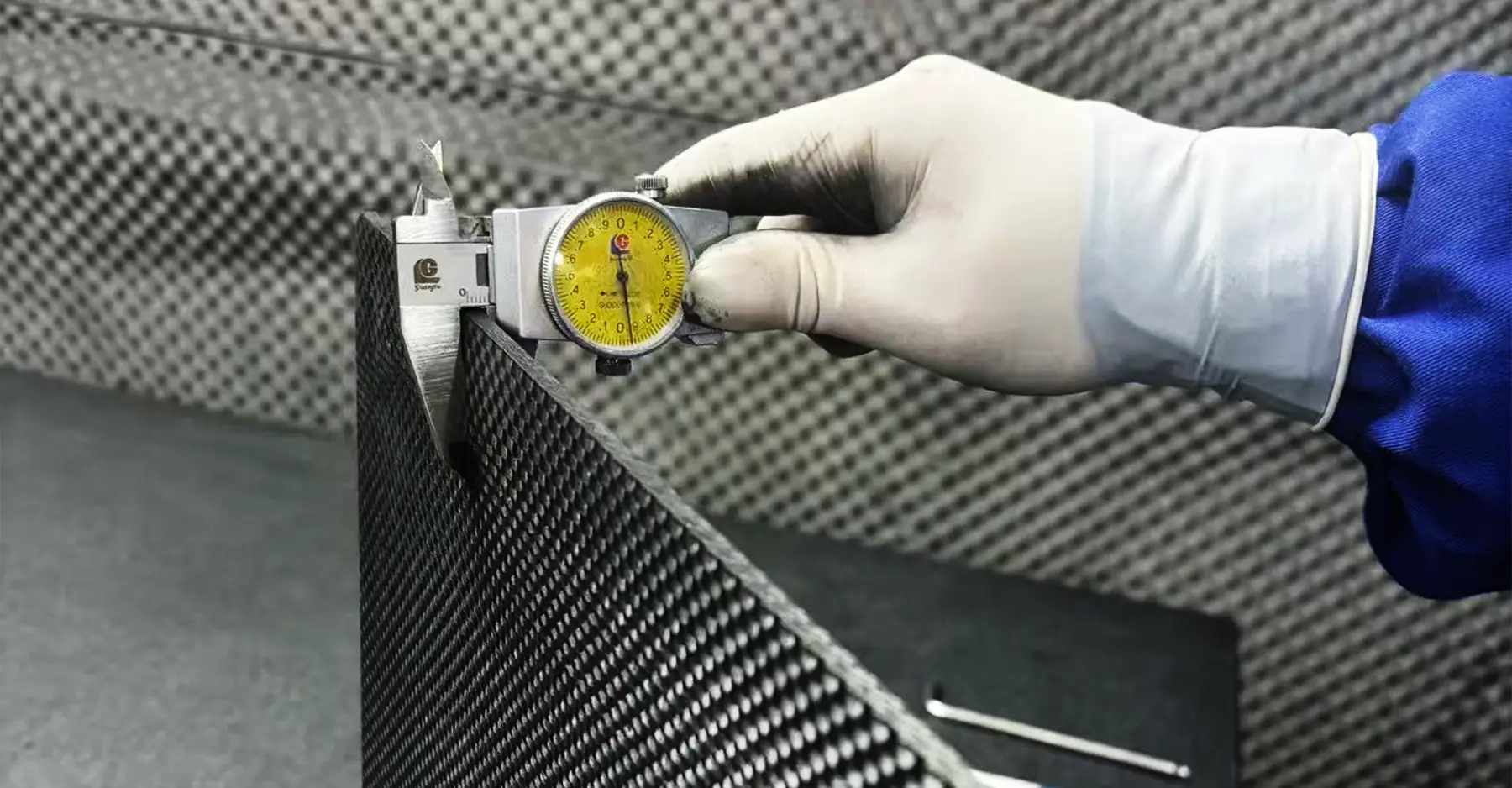
2D CFC covers flat and near-flat geometries: plates, discs, and rings. 2.5D CFC introduces limited through-thickness fiber reinforcement into a primarily planar architecture, suited to components that require greater interlaminar strength without the full complexity of a 3D preform. 3D CFC uses multi-axis fiber preforms for structural shapes where through-thickness performance is a primary requirement. 4D CFC extends fiber reinforcement into four directions, producing components with more uniform mechanical properties across orientations — used where loading conditions are multidirectional and dimensional stability under thermal cycling is critical.
Custom dimensions, specific fiber architectures, and machined-to-drawing components across all four construction types are within our standard fabrication scope.
Vertical Integration: Raw Material to Finished Component
Max Graphite's manufacturing chain runs from raw carbon material sourcing through carbonization, graphitization, felt production, CFC lay-up and densification, machining, and final inspection — all within the same manufacturing group, without subcontracting to external producers.
For procurement teams, that structure has two concrete implications. First, traceability: when a question arises about a batch characteristic, a material property, or a dimensional result, the answer comes from the team that ran the process. Second, scheduling: when capacity across product lines is managed within a single facility, lead time flexibility is higher than when production depends on third-party semi-finished material with its own queue.
99% Product Conformity
Max Graphite reports a 99% product conformity rate — the percentage of finished units that meet specification at final inspection, without rework, substitution, or downgrade.
Sustaining that rate across 50,000 MT of annual output requires process control at every production stage: incoming inspection of raw materials, in-process monitoring through graphitization, dimensional verification after machining, and property testing before shipment. Conformity at volume is not a function of the inspection step alone. It reflects the process discipline across the full production chain.
Procurement teams should request conformity data alongside quality certifications when evaluating suppliers. Certifications describe the quality management system. Conformity data describes what the system produces.
Accessible Excellence
Max Graphite brings over a decade of graphite manufacturing experience to a direct international market presence. The facility in Hebei has operated as one of China's leading producers of graphite materials, graphite felt, and carbon-carbon composites for more than a decade. The Max Graphite brand launched in 2025 to make that manufacturing depth accessible to buyers gloably — directly, without intermediaries.
The three numbers — 50,000 MT capacity, 46 engineers, 99% conformity — are not projections. They describe how the facility operates today, across graphite, graphite felt, and CFC, from a single vertically integrated site in China.
Let's talk
Material samples, grade specifications, and a capability deck are available on request. Facility tours are available for qualified buyers.
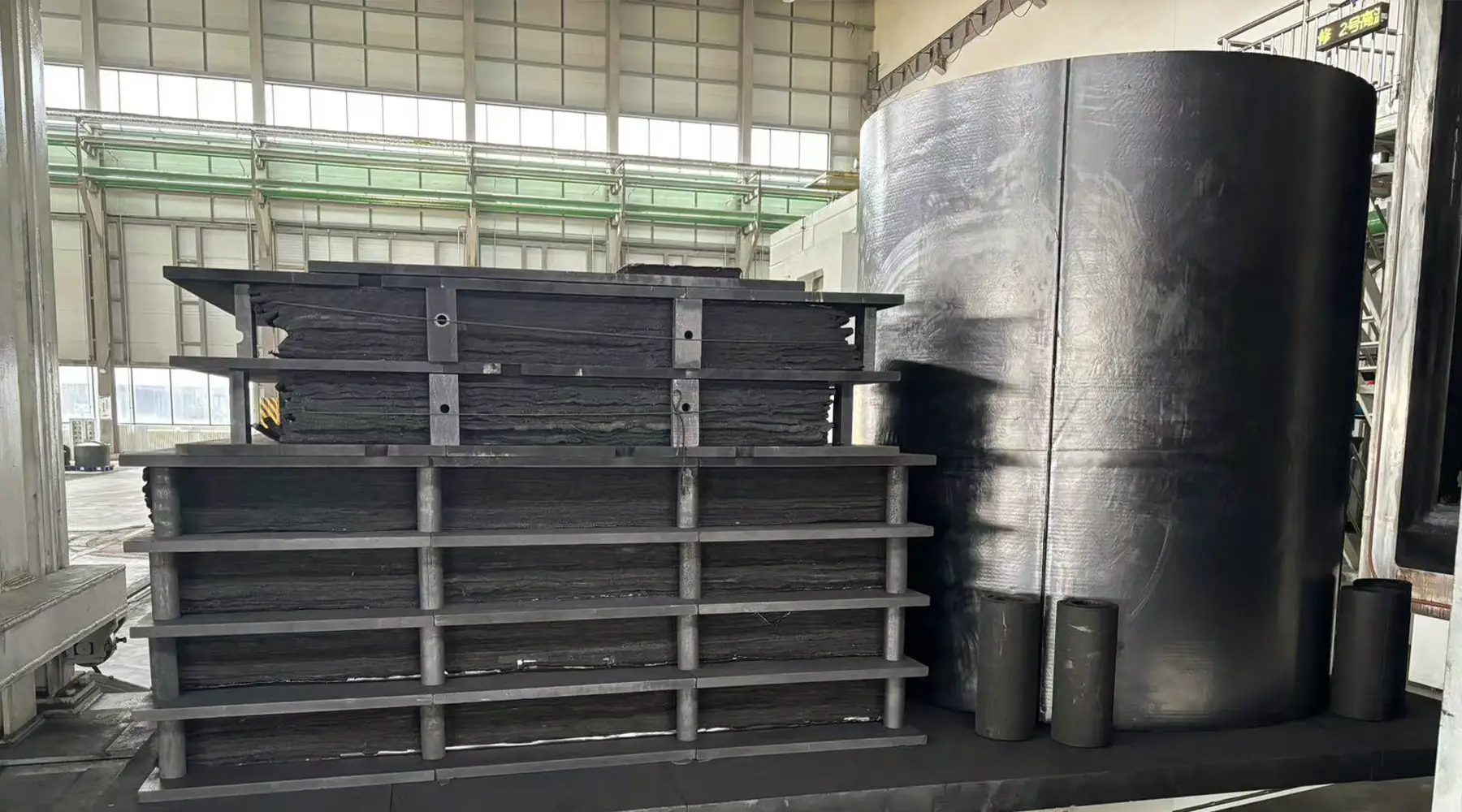
Inside the Graphitization Furnace: What Happens to Carbon at 2,400°C
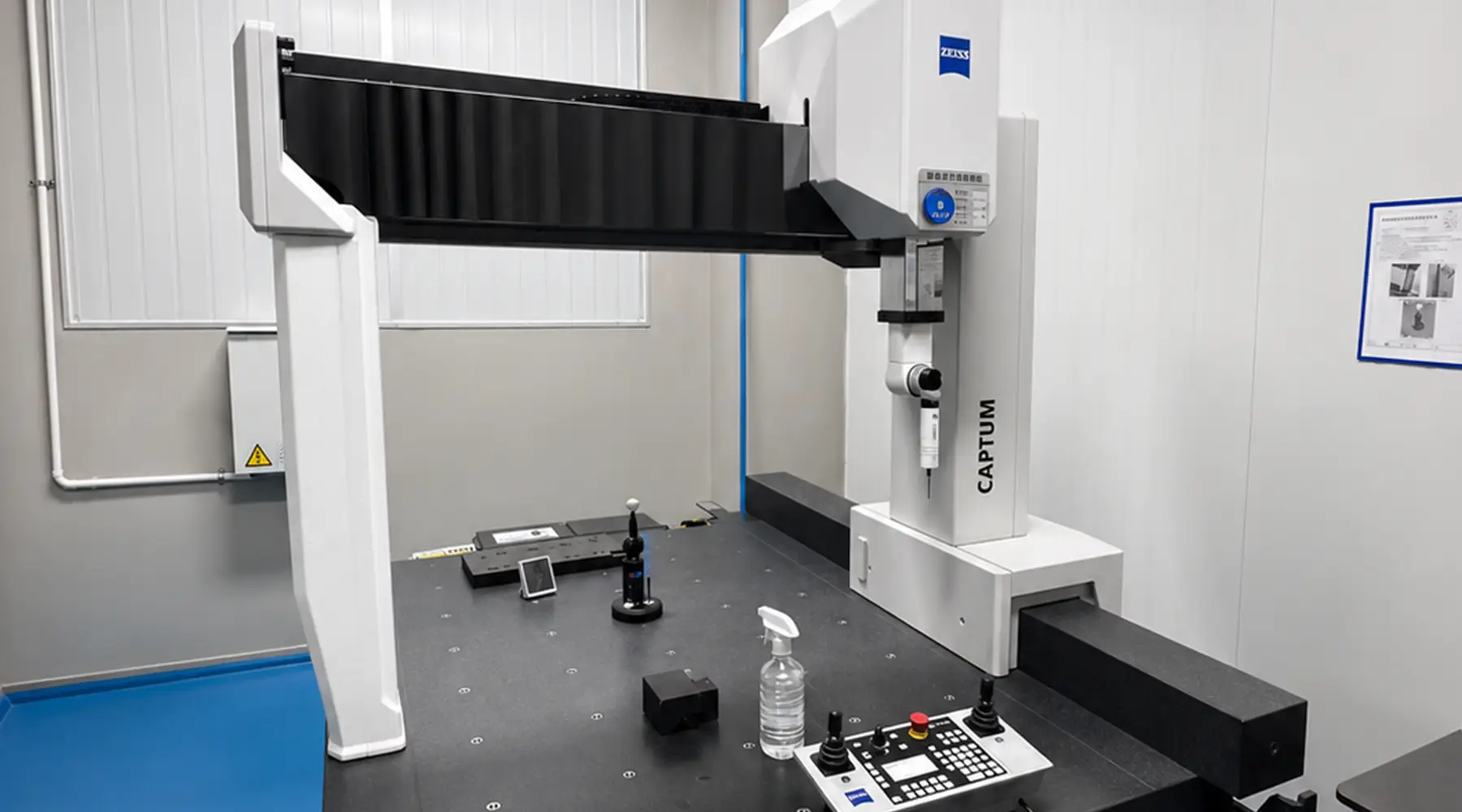
Why Dimensional Accuracy in Machined Graphite Components Matters — and How It's Verified